

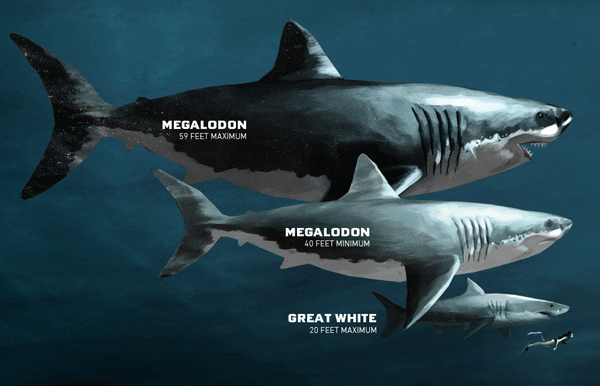
Are you curious about the ancient seas where gigantic sharks ruled? At Buried Treasure Fossils, we’re fascinated by what fossil teeth can reveal about the underwater giants of the past. Among the most intriguing comparisons is the megalodon tooth vs. great white tooth—two remarkable relics that offer a glimpse into vastly different worlds. These teeth don’t just tell stories—they carry the weight of prehistoric oceans and modern curiosity.
If you've ever wondered how big was the Megalodon tooth, you're not alone. This question sparks excitement among collectors, fossil hunters, and ocean enthusiasts. The answer lies in the fossil record, where megalodon teeth often dwarf those of today’s sharks, including the formidable great white.
Here are a few aspects to consider about Megalodon teeth:
Megalodon: The Titan of Ancient Seas
Millions of years ago, the oceans were home to the Megalodon, one of the largest marine predators ever known. While the exact size of the creature can only be imagined, the teeth it left behind speak volumes.
Megalodon teeth are unmistakable. They are thick, wide, and triangular—built for gripping and breaking through the dense bodies of large prey. Some can reach over six inches in length, a size that stirs awe the moment it’s seen. When you hold a megalodon tooth, you’re not just holding a fossil; you’re holding a piece of a once-dominant ocean giant.
These teeth are more than just impressive in size—they reflect an ancient way of life. Their robust structure and serrated edges suggest a predator that needed power more than speed. Unlike modern sharks, megalodons didn’t chase small fish—they dominated their ecosystem with sheer force.
Great White: The Modern Ocean’s Apex Predator
Today’s oceans still have a powerful predator: the great white shark. While it doesn’t reach the massive scale of the megalodon, it is a force to be reckoned with. Its teeth are shaped like sharp triangles—narrow, pointed, and incredibly effective at slicing through fish and seals with quick, precise bites.
Great white teeth may be smaller, but they are optimized for a different kind of life. These teeth are designed for speed and efficiency—traits that define this modern predator. Their sleek structure reflects a strategy of fast, tactical strikes rather than brute power.
While both teeth serve the same purpose—survival—their differences highlight how evolution shaped these animals to suit their environments. One ruled an ocean of giants. The other thrives in a faster, more agile world.
What Makes Megalodon Teeth So Valuable?
At Buried Treasure Fossils, we specialize in offering collectors a chance to connect with Earth's deep history. Of all the marine fossils we handle, megalodon teeth are among the most treasured. But what gives these fossils such immense value beyond their sheer size?
1. Rarity That Increases with Time
Each passing year makes finding large, well-preserved megalodon teeth more challenging. Fossil sites across the globe are becoming harder to access, and the chances of unearthing new specimens are slim. That scarcity fuels their value. Owning a megalodon tooth is like owning a chapter of Earth's story that is slowly being written shut.
2. Remarkable Condition and Natural Beauty
Not all megalodon teeth are created equal. The finest specimens display sharp serrations, intact root structures, and beautiful natural colors ranging from jet black to golden brown. The better the preservation, the clearer the story the tooth can tell—and the more desirable it becomes to collectors.
3. Size and Completeness: The True Jaw-Droppers
Size is another factor that captures the imagination. A tooth measuring over six inches is extremely rare, especially when it is complete and undamaged. These fossils are prized because they bring you closer to answering that captivating question: how big was the Megalodon tooth?
Larger teeth offer more than visual impact—they serve as powerful reminders of the megafauna that once thrived in prehistoric oceans. Collectors often seek out these giants not just for display, but for the deep connection they offer to Earth's distant past.
Holding History in the Palm of Your Hand
There’s something undeniably powerful about holding a fossilized tooth from a creature that swam our oceans millions of years ago. It bridges time in a way that few other relics can. Whether it's the dense, weighty feel of a megalodon tooth or the razor-sharp edge of a great white tooth, each fossil connects us to nature’s most thrilling predators.
At Buried Treasure Fossils, we’re proud to provide these connections through ethically sourced, authentic fossil shark teeth. Each piece in our collection has its own story—a snapshot of a moment in natural history, preserved through millennia.
Megalodon Tooth vs. Great White Tooth: A Tale of Two Oceans
The differences between megalodon and great white teeth aren’t just about size or age—they represent two very different ocean worlds. The megalodon ruled an ancient realm of massive sea creatures, while the great white evolved to thrive in modern marine ecosystems. Yet, each tooth is a masterpiece of nature, shaped by need, environment, and survival.
While one tooth speaks of prehistoric dominance, the other echoes today’s ever-evolving marine life. Both are fascinating, both are powerful—but only the megalodon tooth allows us to physically touch a lost world.
Explore Our Fossil Collection
At Buried Treasure Fossils, we invite you to explore our carefully curated collection of fossil shark teeth, including impressive megalodon specimens and sleek great white teeth. Whether you’re starting your fossil journey or adding to a growing collection, we offer a way to connect with the Earth's wild and wonderful past.
Ready to own a piece of prehistoric power? Dive into our collection and discover the story waiting to be told.
Disclaimer: This blog is intended for informational purposes only. It does not encourage or endorse any unethical or illegal practices related to fossil collection. Please always adhere to local laws and regulations and practice environmental responsibility.






