Page 6 - Home Page Latest Post
- - December 07, 2025
Collecting megalodon teeth is more than a hobby; it’s a window into Earth’s prehistoric oceans. Each fossil tells the story of an apex predator that ruled the seas millions of years ago. As enthusiasts, we understand the thrill of holding a piece of natural history in your hand. Whether you’re searching for your first specimen or expanding your collection, knowing how to assess authenticity, condition, and value is key. That’s why we’ve created this guide to help collectors make confident, informed decisions when exploring a megalodon tooth for sale.
Understanding Megalodon Teeth: Nature’s Ocean Relics
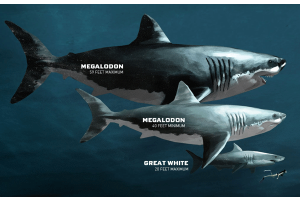
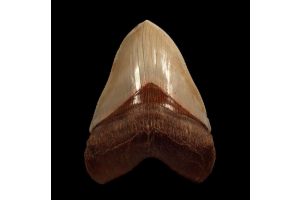
Megalodon teeth are among the most sought-after fossils on the planet. These colossal sharks, which lived approximately 23 to 3.6 million years ago, could reach over 60 feet in length. Their teeth often measure between 3 to 7 inches, though rare specimens can exceed this size.
Because of their massive size, triangular shape, and serrated edges, megalodon teeth are instantly recognizable.
- - December 07, 2025
Collectors never stop asking one key question. Which fossils hold real value today? That question drives curiosity and decision-making for both seasoned collectors and newcomers. The answer always leads to the same place. Some fossils capture history, others hold a story, and a few manage to keep both value and fascination. Among them, Otodus megalodon fossils from Bone Valley stand in a class of their own. These fossils combine authenticity, traceable history, and geological beauty that connect directly to collectors who seek pieces that endure beyond simple display.
Why Bone Valley Draws Collectors’ Eyes?
Bone Valley sits on rich phosphate deposits that preserve marine life from the Miocene era. Over time, these deposits locked away prehistoric remains under layers of minerals that enhanced both color and structure. The result is a fossil bed that yields specimens unlike any other. Collectors recognize Bone Valley fossils because of their mineral depth and rich tonal variation. Each tooth
- - December 07, 2025
Have you ever imagined holding a real piece of ancient history in your hands? A fossil that tells the story of a time when giant sharks ruled the ocean? The Carcharocles megalodon fossil is one of those rare pieces that brings that story to life. This special tooth connects us to a time when the ocean was full of mystery and power. Every detail in this fossil shows how nature creates beauty that lasts for millions of years.
Collectors and fossil lovers often look for something that stands out, something that tells a story. This fossil does exactly that. It comes from a Caribbean limestone quarry and is one of the rarest finds in the world. Its creamy color, sharp edges, and perfect enamel make it a true treasure. Let’s explore what makes this fossil so special and why it deserves a place in any serious collection.
A Look at a Rare Treasure
This fossil is not just another tooth. It is a piece of natural art. The Carcharocles megalodon fossil measures about 5-¾ inches and shows an amazing
- - December 07, 2025
Collectors and fossil buyers do not look for decorations. They search for authenticity. A real Megalodon tooth stands apart because it holds the raw signature of time. You can feel it in the weight, see it in the enamel, and trace its story through natural wear that no copy can fake. No mold, no paint, and no machine can imitate millions of years beneath the Earth. That is why buying without proof opens the door to disappointment. When you explore genuine megalodon teeth for sale, always focus on proof of origin and condition before you buy. The rise of replicas makes knowledge your best tool. If you want truth in your hands, you must shop with that mindset.
Replicas Hurt More Than Just Value
The problem is not just aesthetics. It is trust. Many sellers post bold claims with no factual background. They offer low-priced fossils that look right in photos but arrive as resin casts. These imitations mislead first-time buyers and frustrate serious collectors. If you invest in fossils without
- - December 07, 2025
Collectors often seek fossils that have remained untouched by restoration. Among these finds, the Megalodon Tooth from North Carolina stands out for its deep copper-red tone and natural preservation. Many of these fossils come from riverbeds and sediment layers rich in minerals that enhance their color and texture. However, some specimens on the market have undergone repair to appear more complete. Learning to identify an unrepaired fossil helps collectors avoid altered pieces and protect both authenticity and value in their collections.
How Natural Features Confirm a Megalodon Tooth from North Carolina?
To recognize an unrepaired specimen, focus on what nature leaves behind. Authentic fossils display features that restoration cannot duplicate. Real enamel maintains a steady texture and tone, while altered enamel often shows sharp transitions in color or shine. The copper-red hue common to North Carolina fossils develops over time from mineral absorption, not artificial coating. Under
- - December 07, 2025
Megalodon teeth have fascinated collectors and ocean-life enthusiasts for decades. Their immense size, razor-sharp edges, and striking colour variations tell a story millions of years in the making. Among these, the jet-black Megalodon teeth capture special attention for their rich, dark tones that make them both visually stunning and scientifically intriguing. We often receive questions about what causes this deep coloration and whether it has anything to do with age, rarity, or preservation quality. Before you look for a megalodon tooth for sale, it’s worth understanding what gives some of these ancient fossils their black hue and what it reveals about the world they came from.
A Journey from Predator to Fossil
The story of a black Megalodon tooth begins over 3 million years ago, when these massive sharks ruled the oceans. Measuring up to 60 feet in length, the Megalodon was the apex predator of its time, losing thousands of teeth throughout its life as new ones grew in. These shed teeth
- - December 07, 2025
Collectors and fossil buyers want more than a big tooth. They want to own something real, something that carries the weight of time and truth. Teeth from the Otodus megalodon Copper Red Site stand apart for good reason. These fossils do not just offer impressive size or color. They provide natural evidence of a prehistoric predator. Buyers who understand what separates authentic from altered gain more than a rare specimen. They gain confidence in their investment and pride in their collection. Professionals trust their tools, eyes, and field knowledge to identify the real from the rest.
What Makes the Copper Red Color Stand Out
Color is the first visible clue that draws attention to a fossil tooth. Experts who work with Site 25 fossils pay close attention to color depth and texture. An actual Copper Red Megalodon tooth features a natural red to reddish-brown tone. That comes from iron-rich soil where the Tooth fossilized over time. The tone runs through both the enamel and root, not just
- - December 07, 2025
Collectors who search for a pathological megalodon tooth for sale are not after just another shark fossil. They want something different. Something with a story. A pathological tooth offers that. It comes with naturally formed irregularities that reflect stress, trauma, or abnormalities the shark experienced during its life. That is what separates these fossils from the rest. They are real, they are rare, and they are uniquely shaped by nature itself.
While some sellers misuse the term “megalodon," the truth is clear. The fossils available through this site come from Otodus obliquus, a powerful ancestor of the megalodon. These teeth originate from well-known Moroccan phosphate deposits that yield exceptional and verifiable pathological specimens. Buyers seeking authenticity and distinction often turn to these exact pieces for their fossil collections.
Understanding What Makes These Teeth Pathological
A fossil tooth earns the label "pathological" when its shape shows signs of abnormal
- - December 07, 2025
Few things excite the imagination quite like discovering a link to Earth’s ancient past. Long before kids fall in love with dinosaurs or dream of exploring the ocean depths, there’s often a single spark—a moment that makes prehistory feel real, touchable, and full of wonder. That’s exactly what my first Megalodon can be: a tangible gateway to curiosity, discovery, and a lifelong fascination with fossils.
At Buried Treasure Fossils, we believe every collector, young or old, remembers the thrill of their first fossil. It’s that moment when history sits in the palm of your hand—millions of years old, yet completely yours. Our My First Megalodon collection was created to capture that feeling and turn it into an experience that inspires learning and adventure for years to come.
The Thrill of Holding Prehistoric Power
Imagine handing a child a fossilized tooth from one of the largest predators that ever lived—the mighty Carcharocles megalodon. This prehistoric shark ruled the oceans between
- - December 07, 2025
Oceans of the past were home to giants, and one of the best ways to understand them is through fossils. A baby megalodon tooth might be small, but it holds big clues about the early life of the largest predator in history. These tiny teeth can reveal how young sharks grew, what they ate, and how they survived in dangerous waters.
By studying a baby megalodon tooth, scientists can piece together the life story of a juvenile megalodon. Each fossil gives insights into ocean ecosystems millions of years ago. Even a small tooth is a window into a world that existed long before humans walked the earth.
Tiny Teeth, Big Clues
Even though a baby megalodon tooth is small, it carries important information. The shape, size, and serrations can tell scientists how young sharks hunted and what kind of prey they preferred.
Juvenile megalodons had to be smart hunters to survive. Studying a baby megalodon tooth helps researchers understand how these sharks avoided larger predators and thrived in a