

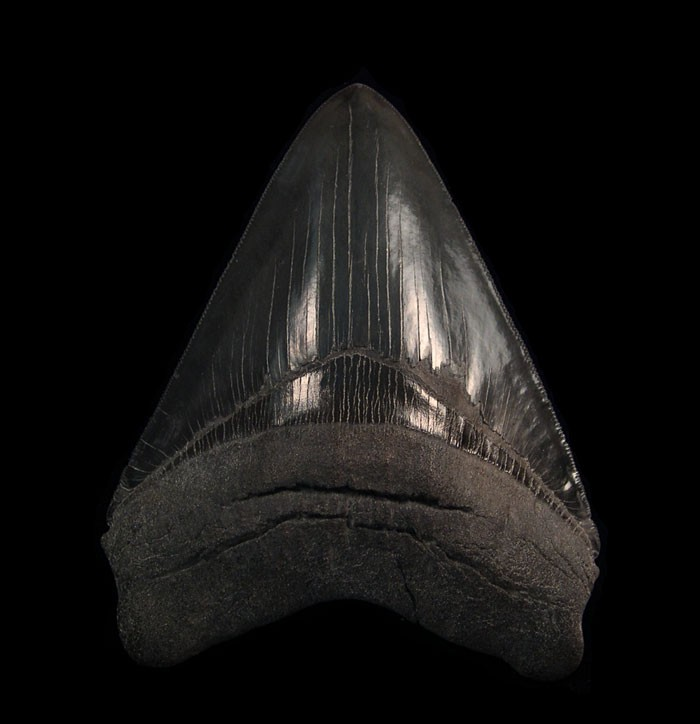
Megalodon teeth have fascinated collectors and ocean-life enthusiasts for decades. Their immense size, razor-sharp edges, and striking colour variations tell a story millions of years in the making. Among these, the jet-black Megalodon teeth capture special attention for their rich, dark tones that make them both visually stunning and scientifically intriguing. We often receive questions about what causes this deep coloration and whether it has anything to do with age, rarity, or preservation quality. Before you look for a megalodon tooth for sale, it’s worth understanding what gives some of these ancient fossils their black hue and what it reveals about the world they came from.
A Journey from Predator to Fossil
The story of a black Megalodon tooth begins over 3 million years ago, when these massive sharks ruled the oceans. Measuring up to 60 feet in length, the Megalodon was the apex predator of its time, losing thousands of teeth throughout its life as new ones grew in. These shed teeth settled onto the ocean floor, where they were gradually buried by sediment.
Over millions of years, mineral-rich water flowed through these sediments, slowly replacing the organic material within the tooth with minerals from the surrounding environment. This natural process, known as mineralization, preserved the structure of the tooth while transforming it into stone. Depending on the type of minerals present and the sediment composition, the colour of the fossilized tooth would vary. When the environment was particularly rich in iron, manganese, or phosphate, the teeth often fossilized into deep, glossy black specimens.
The Role of Environment and Sediment
The main factor determining the colour of a Megalodon tooth is the geological environment in which it fossilized. A tooth buried in light, sandy sediment might retain a tan or grey tone, while one fossilized in darker, mineral-heavy soil would turn black. The minerals absorbed during fossilization effectively “stain” the tooth, creating unique colours that reflect the chemistry of ancient marine deposits.
For instance, phosphate-rich deposits can give the tooth a dark blue or black appearance, while iron oxide can create reddish or brown hues. Teeth found in regions with dense clay or volcanic sediments are more likely to appear black due to the abundance of minerals that darken during fossil formation. This means that no two black Megalodon teeth are truly identical—each carries the unique geological signature of the environment it came from.
Why Black Fossil Teeth Are Highly Desired
Collectors often prize black Megalodon teeth for their striking appearance and the sense of mystery they hold. The rich coloration makes them visually impressive and a centerpiece in any fossil collection. However, the black colour doesn’t necessarily make a tooth more valuable on its own; value is determined by several factors, including size, condition, serration sharpness, enamel quality, and completeness.
Still, the deep black hue can make a specimen look exceptionally polished and refined, particularly when the surface is well-preserved. Those seeking a megalodon tooth for sale often gravitate toward black specimens because of their bold, dramatic appearance and their representation of a long and fascinating natural process.
Fossilization Conditions That Create Black Teeth
The transformation of a Megalodon tooth into a fossil involves both chemical and environmental changes. As the tooth becomes buried, it interacts with water carrying dissolved minerals. Over time, these minerals replace the organic materials in the tooth’s dentin and enamel. When minerals like manganese or phosphate dominate the surrounding sediment, they leave behind dark residues that penetrate the fossil, resulting in a jet-black or charcoal shade.
Interestingly, the black colour can also signal the age and depth at which the fossil formed. Teeth found in older, deeper strata are often darker because they have had longer exposure to mineralization. Conversely, lighter-coloured teeth may have fossilized in shallower or younger deposits. Understanding these nuances allows collectors and researchers to infer the environmental conditions of prehistoric oceans and seabeds.
How to Identify Authentic Black Megalodon Teeth
Because of their appeal, black Megalodon teeth are sometimes replicated or artificially coloured to mimic the real thing. Genuine fossils, however, have specific traits that set them apart. Authentic black Megalodon teeth show subtle gradients in colour, texture differences between root and enamel, and tiny natural imperfections that reflect millions of years of fossilization.
Real specimens also tend to have a heavier feel due to mineral replacement and lack of organic material. Polished replicas or artificially dyed teeth, in contrast, often have a smoother and overly uniform look. By examining the surface under light, you can usually spot the difference between genuine mineral staining and artificial colouring. Serious collectors or enthusiasts should always verify authenticity before purchasing, ensuring the fossil comes from a reputable source.
Geological Rarity and Collector Interest
While Megalodon teeth are found across multiple continents, truly black specimens are relatively rare. The black coloration results from specific combinations of minerals and conditions that don’t occur everywhere. Many of the finest examples come from riverbeds, phosphate pits, or marine deposits known for their dark sediment layers.
Collectors value black Megalodon teeth not only for their visual allure but also for the story they represent—a physical trace of ancient marine life preserved in Earth’s natural history. The deep black tones make them particularly eye-catching when displayed, offering a sense of timelessness and power that connects directly to the massive predator they once belonged to.
Preserving and Displaying Black Megalodon Teeth
Black Megalodon teeth are relatively durable, but proper care ensures they retain their shine and condition. It’s best to clean them gently using soft brushes and mild water—harsh chemicals can damage the fossilized surface. Avoid polishing compounds, as they can alter the natural patina or make the tooth appear artificially glossy.
When displaying, consider using soft lighting to highlight the tooth’s texture and deep coloration. The natural sheen of black fossils reflects light beautifully, creating depth and contrast that bring out every detail of the serrations and enamel ridges. With thoughtful care, these ancient fossils can remain stunning showpieces for generations.
Conclusion
Understanding why some Megalodon teeth are jet black reveals just how dynamic fossilization can be. The combination of minerals, pressure, and time works together to create these breathtaking specimens that carry both scientific and aesthetic value. For collectors exploring a megalodon tooth for sale, recognizing the geological story behind each colour adds depth and appreciation for these extraordinary relics.
At Buried Treasure Fossils, we value authenticity and natural preservation, offering a wide range of genuine black Megalodon teeth that showcase the incredible artistry of nature. Each specimen is a reminder of Earth’s ancient oceans and the enduring legacy of one of the largest predators ever to exist.
We invite you to contact us today to explore our authentic collection of black Megalodon teeth and find your perfect fossil.






