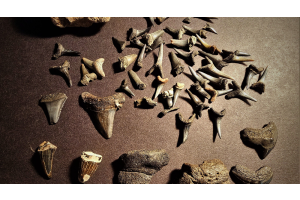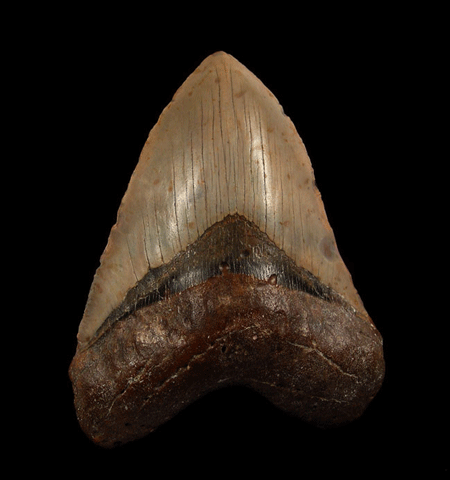
These ancient fossil deposits include megalodon tooth ledges that mark the very zones where megalodon activity once concentrated. These ancient formations mark the very zones where megalodon activity once concentrated. For fossil hunters, understanding what these ledges are and how they form leads to more successful discoveries. Instead of chasing isolated finds, collectors can follow patterns laid down by prehistoric behavior and geology. These ledges offer structure, consistency and context that scattered beach finds cannot provide. Knowing how to identify, study and explore these areas brings real results for those searching for megalodon teeth.
Many fossil hunters begin with excitement but quickly realize that scattered finds often offer no lasting success. Without a clear understanding of the signs to follow, time and energy are wasted. Tooth ledges provide an answer. These formations show where megalodons fed, moved, or lingered. Over time, their teeth settled in one place, and layers of sediment sealed them in. Hunters who learn to read the terrain uncover more than just a tooth. They discover an entire chapter of marine history preserved in one location.
What Do Megalodon Tooth Ledges Reveal About Behavior?
Megalodons left little behind beyond their teeth. These teeth became clues to their movement, behavior, and feeding grounds. Tooth ledges form when discarded teeth settle in areas with minimal disturbance. Over thousands of years, currents shift less and sediment builds more. These stable conditions preserve teeth where the shark activity remained high. Rather than random scattering, ledges result from repeated shark presence in a single region. As a result, fossil hunters gain a more complete picture of how the species used its environment.
The Value Tooth Ledge Specimens Hold for Collectors
Ledge finds offer more than visual appeal. They deliver stronger preservation. Covered in sediment, these teeth are protected from wear caused by movement, sun, exposure, or salt. Collectors often find sharper serrations, intact root structures, and uniform enamel. This level of preservation boosts both scientific and collector value. More importantly, ledge finds frequently appear in clusters. When multiple fossils are found in the exact location, they provide a richer context for understanding the past. Instead of a one-off discovery, ledge-based collecting creates a connection to a larger story buried in stone.
Locations Where Tooth Ledges Commonly Occur
Tooth ledges are most commonly found in areas shaped by ancient warm seas. These include:
● Submerged platforms and underwater shelves that once supported rich marine life.
● Coastal plains and riverbanks where sediment erosion reveals fossil-bearing layers.
The key lies in calm historical conditions. Places where water moved slowly and allowed sediment to build up became ideal for fossil preservation. Over time, these places formed reliable zones where shark teeth remain trapped in layers. Observing how modern rivers cut into old banks or how tides expose offshore ridges helps fossil hunters find ledges.
Physical Signs That Suggest a Ledge Nearby
Fossil hunters who study the landscape can learn to spot ledge signs early. Key indicators often include:
● Multiple teeth of varying sizes were found close together in the same layer of sediment
● Nearby presence of phosphate rocks, bone fragments, and other marine fossils.
● Exposed sediment bands showing distinct horizontal layering or color changes.
These markers often appear together near drop-offs or erosion lines. Rather than rely on scattered beach finds, successful hunters follow these patterns inland and offshore. These signs point to concentrated fossil zones rather than chance discoveries.
Myth versus Fact
Myth Ledges result from waves pushing random teeth together.
Fact: Ledges form through repeated shark activity, followed by natural sediment coverage over long periods.
Use Strategy to Identify Productive Tooth Ledges
Hunting fossil-rich areas does not depend on guesswork. Many successful trips begin with knowledge of how megalodon tooth ledges respond to environmental shifts. Skilled collectors use timing, terrain awareness and patience. During low water seasons, rivers reveal new sections of fossil beds. After storms, soft ground often washes away and exposes hidden layers. These environmental changes offer key opportunities. Collectors who pay attention to patterns and geological maps plan smarter trips. Instead of returning empty-handed, they discover fresh exposures with high potential. Tooth ledges become visible only when the ground gives you that opening. Knowing when and where to look changes everything.
Ledges Offer Insight into Megalodon Ecology
Tooth ledges provide more than objects for display. They help reconstruct the ancient ocean. When found alongside remains of whales or large fish, these ledges suggest feeding grounds. If layers include smaller teeth, they may indicate a nursery zone. Some ledges exhibit vertical repetition, with teeth that are layered by sediment from repeated visits. This pattern suggests seasonal migration or breeding behavior. Each ledge holds a record of past ecosystems. Fossil hunters contribute to science by collecting responsibly and noting the position and composition of each find.
Work Respectfully Around Tooth Ledges
To preserve the value of a fossil site, collectors should always approach ledges with care. Avoid using heavy or aggressive tools. Focus on hand tools and soft brushes that remove sediment without breaking the surrounding material. Mark fossil positions and photograph them before removal. Responsible hunters document details and preserve the context of their finds. These steps ensure the tooth retains its story. Fossils collected without this context lose much of their importance. Those who respect the process help protect both the environment and the historical record.
Tooth Ledge Finds Stand Apart from Common Teeth
Teeth found in ledges hold more than just better condition. They reflect consistency. One ledge often produces multiple well-preserved fossils. These finds provide evidence that the area served a purpose in the life of megalodons. Whether a hunting path or a resting zone, the location itself adds meaning. That depth of context appeals to serious collectors and researchers alike. They look beyond beauty and seek knowledge. When you pull a tooth from a ledge, you hold a fragment of ancient behavior, not just a loose specimen with unknown origin.
Final Words
These ancient structures, including megalodon tooth ledges, provide more than clues to the past. They guide modern fossil hunters to concentrated zones where meaningful discovery becomes possible. These ledges show patterns in megalodon activity, reveal prehistoric environments and deliver well-preserved specimens. Instead of chasing scattered remains, fossil hunters who understand ledges find real results. They uncover teeth with structure, value and story. With knowledge and respect, ledges open doors to understanding one of the ocean’s greatest predators. Their paths remain in the rock, waiting for those who know how to follow them.
Footnote
Shifting currents, rainfall, and bank erosion often uncover hidden fossil ledges that preserve valuable evidence of ancient marine life.