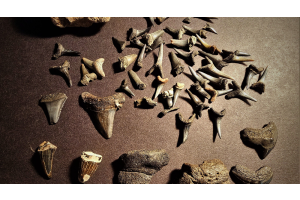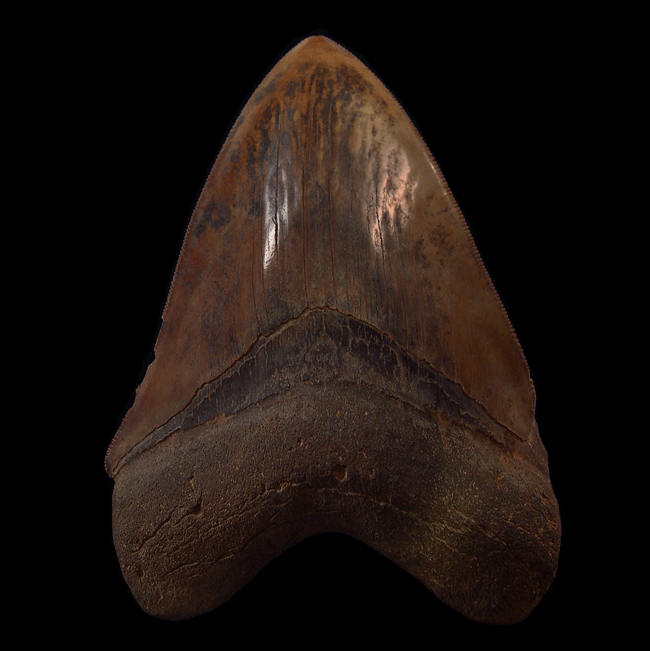
Collectors often seek fossils that have remained untouched by restoration. Among these finds, the Megalodon Tooth from North Carolina stands out for its deep copper-red tone and natural preservation. Many of these fossils come from riverbeds and sediment layers rich in minerals that enhance their color and texture. However, some specimens on the market have undergone repair to appear more complete. Learning to identify an unrepaired fossil helps collectors avoid altered pieces and protect both authenticity and value in their collections.
How Natural Features Confirm a Megalodon Tooth from North Carolina?
To recognize an unrepaired specimen, focus on what nature leaves behind. Authentic fossils display features that restoration cannot duplicate. Real enamel maintains a steady texture and tone, while altered enamel often shows sharp transitions in color or shine. The copper-red hue common to North Carolina fossils develops over time from mineral absorption, not artificial coating. Under steady lighting, authentic enamel scatters light softly, while restored areas reflect harshly. Scrutinize every inch to ensure the surface and tone remain uniform across the tooth.
Reading the Serrations and Tips for Natural Wear
Serrations reveal how a tooth aged. Genuine fossils have slightly worn edges that follow a natural curve. Artificial restorations often exhibit serrations that appear too sharp or uniform. The tooth’s tip offers another clue. Natural wear rounds or dulls the point slightly, but restoration may leave it unnaturally pointed or even. A real fossil balances strength with visible age, never perfection. Slight irregularities confirm authenticity, while flawless lines often signal human modification.
Checking the Root Connection and Surface Texture
The root area tells an essential part of the story. The original roots exhibit a rough texture, mineral buildup, and slight unevenness. When a restorer fills or reattaches sections, the root and crown merge too cleanly. Look for seam lines or sudden texture changes. Gently run your fingers along the join between the enamel and root. Natural transitions feel uneven but organic, while repaired areas feel smooth and manufactured. Real fossils exhibit a consistent surface texture from top to bottom, resulting from erosion, pressure, and the passage of time.
Spotting Over-Polished or Artificially Smooth Surfaces
Authentic Megalodon teeth from North Carolina often exhibit light abrasions and chips, which attest to their long journey through soil and water. These marks are natural and should not reduce value. Repaired teeth, however, look overly polished and uniform. A shiny, perfect surface hides what collectors value most—the record of time. Always prefer fossils that proudly display their age. Natural flaws serve as evidence of a fossil's history and contribute to its true beauty.
Judging Weight and Balance for Clues of Authenticity
A fossilized tooth carries a specific weight created by minerals that replace organic material over thousands of years. Authentic teeth feel balanced and cool to the touch. A Megalodon Tooth from North Carolina often reflects this natural density, shaped by the region's unique mineral conditions. Synthetic fillers used in restoration change that density. If a tooth feels oddly light or heavy in certain sections, inspect it further. Compare several specimens of similar size to develop a sense of natural density. Real fossils distribute weight evenly, whereas repaired ones often feel unbalanced due to uneven filler use.
Evaluating Color Consistency and Natural Tone
Color variation can reveal whether a fossil remains unrepaired. North Carolina specimens typically display rich copper-red or brownish hues that stay consistent across the enamel and root. If one section appears darker, duller, or overly glossy, that area might contain resin or coating. Artificial materials rarely match the layered tones produced by natural mineralization. Always check that color transitions flow smoothly without abrupt breaks. Uniform natural color indicates geological authenticity, while patchiness suggests restoration.
Recognizing Value Through Real Preservation
Price often reflects authenticity. Collectors know that a genuine, unrepaired fossil with intact serrations and visible root structure commands a higher value. A specimen that appears perfect at a lower price should raise questions. Before purchasing, review detailed images and ask about restoration history. Transparent sellers provide honest answers and highlight any repairs. Never rush a decision when buying a fossil. Careful observation and patience ensure that you add only authentic, historically valuable pieces to your collection.
Clear Signs That Indicate Restoration
• Uneven gloss or surface breaks on enamel and crown that appear unnatural.
• Smooth connections or straight lines between root and enamel that look artificial.
Physical Details That Reveal Hidden Filler
• Uneven or hollow weight distribution, suggesting resin use.
• Polished patches on the reverse side without natural mineral deposits.
Myth Versus Fact
Myth
A flawless tooth always means it was preserved perfectly.
Fact
Flawless fossils often hide repairs or polishing that remove their natural texture.
Myth
A cracked or chipped fossil loses its collector value.
Fact
Natural flaws confirm authenticity and increase historical interest.
Myth
Copper-red enamel always guarantees originality.
Fact
Color helps confirm location, but cannot alone prove the absence of restoration.
Preserving Authentic Value Through Knowledge
Recognizing an unrepaired fossil requires patience, practice, and understanding. A Megalodon tooth reveals its authenticity through its enamel, texture, and structure. Once you learn how to read those traits, you gain the confidence to distinguish genuine fossils from restored ones. Collectors who seek authenticity value the imperfections that nature left untouched. Every unrepaired specimen carries a timeline written by the influence of water, sediment, and minerals.
Final Words
When you apply this knowledge while studying a Megalodon Tooth Found in North Carolina, you protect your investment and honor its geological heritage. Each genuine fossil represents both a piece of history and a symbol of respect for nature’s process of preservation.
Footnote
Fossils recovered from North Carolina hold mineral patterns shaped by local conditions, making every specimen a distinct reflection of its origin and a valuable addition to any collection.