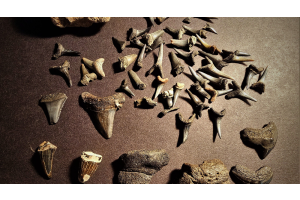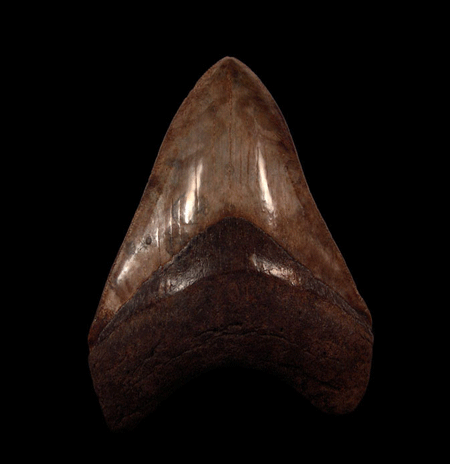
Oceans of the past were home to giants, and one of the best ways to understand them is through fossils. A baby megalodon tooth might be small, but it holds big clues about the early life of the largest predator in history. These tiny teeth can reveal how young sharks grew, what they ate, and how they survived in dangerous waters.
By studying a baby megalodon tooth, scientists can piece together the life story of a juvenile megalodon. Each fossil gives insights into ocean ecosystems millions of years ago. Even a small tooth is a window into a world that existed long before humans walked the earth.
Tiny Teeth, Big Clues
Even though a baby megalodon tooth is small, it carries important information. The shape, size, and serrations can tell scientists how young sharks hunted and what kind of prey they preferred.
Juvenile megalodons had to be smart hunters to survive. Studying a baby megalodon tooth helps researchers understand how these sharks avoided larger predators and thrived in a competitive environment.
Fossils like a baby megalodon tooth also help reconstruct ancient ocean life. Knowing where young sharks lived reveals safe nursery areas, giving us a clearer picture of prehistoric ecosystems.
How a Baby Megalodon Tooth Shows Growth?
A baby megalodon tooth provides clues about growth rates and development. Its size and enamel patterns show when the shark was ready to start eating larger prey.
These teeth allow scientists to track how megalodons grew into massive predators. Each baby megalodon tooth is like a snapshot of an individual shark’s life stage, helping us understand survival and development in ancient oceans.
Comparing multiple baby megalodon tooth fossils also shows differences between regions. This tells us how the environment affected growth and diet across different parts of the world.
The Beauty and Preservation of a Baby Megalodon Tooth
The color of a baby megalodon tooth reveals its journey through time. Depending on the minerals in the soil, fossils can appear black, brown, or gray.
Even a small baby megalodon tooth can be beautifully preserved. Sharp edges and intact enamel show how effective juvenile sharks were at hunting.
Collectors and scientists value a baby megalodon tooth not only for its scientific insights but also for its natural beauty. Holding one is like holding a piece of prehistory.
Fossil Hunting Adventures
Finding a baby megalodon tooth is an exciting challenge. Coastal areas, riverbeds, and ancient seabeds often reveal these tiny fossils.
Places like Florida and South Carolina are popular for fossil hunting, offering chances to discover both juvenile and adult megalodon teeth. Each baby megalodon tooth found tells a story about the past and inspires curiosity.
For collectors and researchers alike, holding a baby megalodon tooth creates a direct connection to a shark that lived millions of years ago. Each fossil adds depth to our understanding of prehistoric oceans.
What a Baby Megalodon Tooth Tells About Diet?
A baby megalodon tooth can show what juvenile sharks ate. Its serrated edges and size indicate a diet of smaller fish and marine animals.
Studying a baby megalodon tooth allows scientists to track changes in diet as sharks grew. As megalodons matured, they moved on to larger prey, eventually becoming ocean apex predators.
Even one baby megalodon tooth can reveal survival strategies. It tells us which environments were safe for young sharks and how they adapted to grow bigger.
Science Behind the Fossil
Researchers study a baby megalodon tooth using microscopes and chemical tests. These methods reveal age, growth patterns, and even migration paths.
Enamel layers in a baby megalodon tooth show how quickly the shark grew and where it traveled. Comparing fossils from different regions reveals environmental patterns and evolutionary differences.
Each baby megalodon tooth provides valuable data for reconstructing ancient ocean life. The information gained helps scientists answer questions about megalodon behavior and ecology.
Education and Learning
A baby megalodon tooth is a great learning tool. Museums display these fossils to help students understand evolution and prehistoric oceans.
Students can see how juvenile sharks lived, what they ate, and how they survived. A baby megalodon tooth makes history tangible, inspiring curiosity about a world long gone.
Even hobbyists can learn from a baby megalodon tooth. Holding one encourages questions and imagination, connecting people to science in a hands-on way.
Collecting a Baby Megalodon Tooth
Adding a baby megalodon tooth to a collection is exciting for enthusiasts. Authentic fossils can be found in authorized sites or purchased from reputable sources.
Look for features like sharp edges, intact enamel, and natural color. Each baby megalodon tooth is unique, telling its own story about life millions of years ago.
Collectors often use these fossils as educational tools. A baby megalodon tooth can spark conversations about ancient oceans and evolution, making each discovery meaningful.
Why These Teeth Matter?
A baby megalodon tooth connects us to the distant past. It helps scientists reconstruct ancient oceans and understand how the largest predators lived.
Studying a baby megalodon tooth reveals growth, diet, and survival strategies of juvenile megalodons. It also helps us understand the balance of prehistoric marine ecosystems.
Each baby megalodon tooth is more than just a fossil. It is a story, a teaching tool, and a reminder of life’s adaptability. These tiny teeth give us big insights into the world of ancient ocean giants.
Start Your Fossil Journey
Exploring the past with a baby megalodon tooth can be rewarding. Visit fossil sites, museums, or online collections to start learning.
Every baby megalodon tooth you discover adds to the story of prehistoric life. Take notes, compare fossils, and share your discoveries. This small tooth can inspire curiosity and a love for science.
Start your fossil adventure today and let a baby megalodon tooth guide you into the world of ocean giants.
Begin your journey into prehistoric oceans. Find the secrets hidden in a baby megalodon tooth and connect with the giants of the past.