

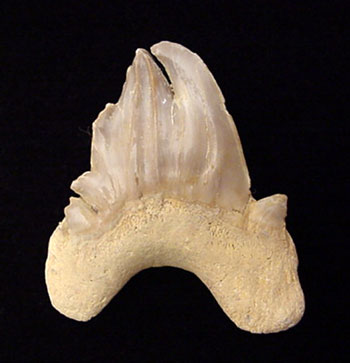
Collectors who search for a pathological megalodon tooth for sale are not after just another shark fossil. They want something different. Something with a story. A pathological tooth offers that. It comes with naturally formed irregularities that reflect stress, trauma, or abnormalities the shark experienced during its life. That is what separates these fossils from the rest. They are real, they are rare, and they are uniquely shaped by nature itself.
While some sellers misuse the term “megalodon," the truth is clear. The fossils available through this site come from Otodus obliquus, a powerful ancestor of the megalodon. These teeth originate from well-known Moroccan phosphate deposits that yield exceptional and verifiable pathological specimens. Buyers seeking authenticity and distinction often turn to these exact pieces for their fossil collections.
Understanding What Makes These Teeth Pathological
A fossil tooth earns the label "pathological" when its shape shows signs of abnormal growth. These signs often include twisted crowns, fused roots, curved blades, or compressed edges. Unlike broken or repaired specimens, pathologic teeth carry these marks as a natural part of their formation. The original shark experienced a condition or injury that caused the deformation, and the fossil preserved it.
These irregularities do not reduce the tooth’s value. In fact, they often increase it. That is because the tooth tells a whole story about how the shark lived, fed, and possibly even survived physical trauma. Each one becomes a natural record of prehistoric struggle and survival.
Clear Distinction Between Otodus and Megalodon
Collectors sometimes confuse Otodus teeth with those of the megalodon. The confusion is understandable because both species have large, triangular teeth. However, Otodus obliquus existed much earlier than the true megalodon. The fossils on this site clearly state the correct species and origin, ensuring that buyers receive accurate and trustworthy information.
The Otodus teeth listed here come directly from the phosphate beds near Khouribga in central Morocco. This region is known for producing fossilized shark teeth with exceptional preservation, often featuring rare pathological traits. Collectors who value transparency and factual presentation appreciate the clear labeling of each specimen.
Why Collectors Value Pathological Fossils?
Not every collector wants a perfect fossil. Many prefer something uncommon that sparks curiosity and conversation. A pathological tooth does precisely that. It shows how natural conditions shaped the animal’s anatomy and survival. These teeth stand out in any collection because they show nature’s unpredictability.
Most collectors who purchase a pathological fossil look for:
● Authentic teeth without any restoration or filler material.
● Clear signs of pathology that formed during the shark’s life.
● Clean preservation of the crown and root structure.
● Documented origin, such as the phosphate-rich Moroccan layers.
These points help the buyer know that they are not just purchasing a fossil but securing a true prehistoric oddity.
Features That Help a Tooth Stand Out
Pathological features can vary widely. Some teeth curve dramatically to one side, making each pathological megalodon tooth for sale a truly distinctive find for collectors. Others show tight root compression or unusual blade angles. Sometimes the deformities look almost artistic, with symmetry that hints at how the shark adapted to its own condition.
Here are a few of the more common pathologic signs:
● Twisted or spiraled crown structures.
● Fused or widened roots that show uneven development.
● Compressed or notched blades that deviate from standard forms.
● Visible growth lines that follow abnormal patterns.
Every one of these features forms as part of the tooth’s natural development. They do not appear due to human handling or fossil damage. That is what gives them lasting value in the eyes of a serious collector.
Common Myths About Pathologic Teeth
Myth: A twisted tooth must be broken or damaged.
Fact: Natural twisting during growth signals real pathology, not damage.
Myth: Only megalodon teeth matter to collectors.
Fact: Otodus teeth, especially with rare pathologic traits, hold serious value.
Myth: Pathologic features reduce fossil value.
Fact: Natural deformities often raise the value because of rarity and uniqueness.
These misunderstandings can confuse new buyers. That is why detailed descriptions and clear images help collectors make informed choices.
What Buyers Should Look for Before Purchasing?
A buyer should never guess about what they are purchasing. Listings should offer complete transparency. When shopping for a fossil labeled as pathological, review every detail. Look for direct photos, full measurements, species naming, and confirmation that the tooth has not been restored.
The teeth listed on the referenced page offer all of this. Each specimen clearly indicates whether it is complete, whether any repairs were made, and from which tooth it originated. This level of detail gives collectors confidence when making a purchase.
Before adding a tooth to your collection, consider:
● Whether the tooth is complete or partial
● If the root and crown are natural and unrestored
● Whether the seller clearly identifies the species
● If the pathologic traits are visible and natural
When these questions are answered up front, the buyer knows they are receiving an honest product with verifiable features.
Why These Moroccan Fossils Carry Special Value?
The phosphate region near Khouribga in Morocco has become a global source for Otodus fossils. The layers of sediment preserve fine detail, and conditions there allow for clear fossil formation. Many of the pathologic teeth found here show dramatic curves and root distortions that remain intact.
The site features specimens with intense coloration, intact root structures, and no signs of repair or restoration. That combination of features, along with the region’s known geology, makes these fossils ideal for collectors who want verified and uncommon specimens.
These fossils do not require any enhancement. Their natural formation gives them all the value they need.
Conclusion
Collectors looking for a pathological megalodon tooth for sale want more than a fossil. They want a glimpse into the prehistoric world through a tooth that shows struggle and survival. These teeth carry visible signs of how nature shaped the lives of ancient predators. With the proper knowledge and guidance, buyers can find specimens that offer authenticity, rarity, and character.
The Otodus teeth from Morocco featured on this site reflect all of these qualities. They come with natural deformation, full origin details, and a promise of no repair or restoration. That is precisely what serious collectors look for when adding to their collections of fossils.
Footnote
These fossils come from Morocco’s phosphate layers, where Otodus teeth form under rare natural conditions that preserve their original pathological shapes and structures.






