

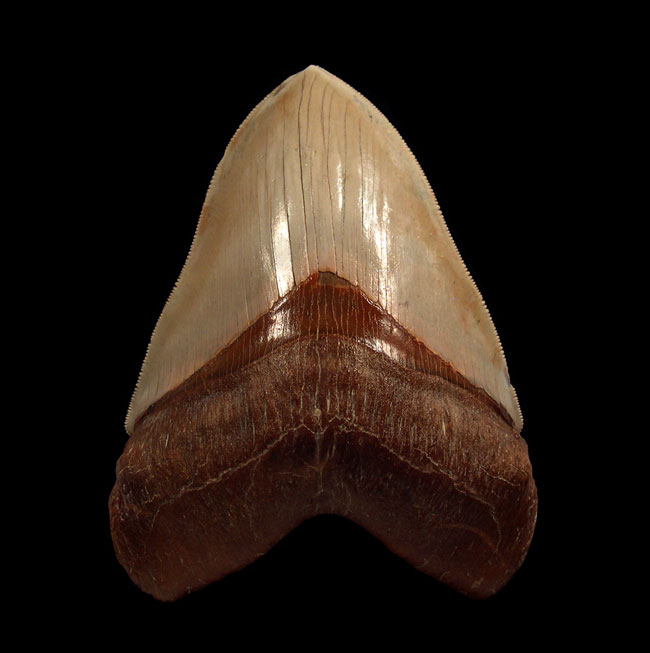
Fossil discoveries can spark excitement, but few finds excite scientists and collectors like a Megalodon tooth. Recently, Chile became the center of attention with a discovery that could be the world’s biggest Megalodon tooth ever found. This find is not only remarkable for its size but also for what it reveals about one of the oceans’ most powerful prehistoric predators.world’s biggest Megalodon tooth
The Discovery That Shook Paleontology
In Chile’s coastal regions, a team of geologists and paleontologists uncovered a massive fossil. Measuring enormous dimensions, this tooth might be the world’s biggest Megalodon tooth discovered to date. Experts say its size points to the incredible power and scale of the Megalodon.
This find is a bridge to the past, showing us how enormous these predators were. Chile’s unique geological history, with its tectonic shifts and coastal erosion, makes it a hotspot for fossil hunters. Every layer of sediment tells a story, and this discovery adds a dramatic chapter.
Understanding the Megalodon
The Megalodon, meaning “big tooth,” was the apex predator of ancient oceans. Scientists estimate that it could reach up to 60 feet in length. The Chilean tooth gives a clear picture of the creature’s massive size. Examining the serrated edges and wear patterns of this tooth helps researchers understand how the Megalodon hunted and what it ate.
Studying this tooth allows paleontologists to connect physical evidence with behavior, helping us imagine life in prehistoric oceans. Each discovery like this adds to our understanding of the Megalodon’s role in its ecosystem.
Why Chile Is Ideal for Fossil Finds?
Chile’s diverse landscapes make it an ideal place to find fossils. Volcanic activity, tectonic movements, and erosion expose layers that hold ancient marine life. This geological backdrop may explain why the Chilean Megalodon tooth is so large and well-preserved.
Fossil hunters appreciate Chile because it not only provides large finds but also helps researchers study ancient ocean life. This tooth shows that Chile is becoming one of the most important sites for studying prehistoric predators.
The Science Behind the World’s Biggest Megalodon Tooth
Researchers are excited about the Chilean tooth because it offers new scientific insights. The size and shape help estimate the Megalodon’s age, diet, and hunting habits. Compared to other teeth, this one could redefine what we know about the species.
The discovery allows scientists to track evolutionary patterns and migration routes. Every detail, from the serrations to the root shape, provides clues about how these predators lived. The Chilean tooth is more than a fossil; it is a key to understanding life millions of years ago.
How does This Discovery help modern Science?
Studying ancient predators gives scientists lessons for today. By understanding how the Megalodon hunted and lived, marine biologists can better understand modern sharks and predator-prey relationships. Insights from the world’s biggest Megalodon tooth can inform conservation efforts and help protect today’s oceans.
This research also shows how ecosystems balance themselves over time. Learning from the past helps scientists predict and manage the impact of large predators in current marine environments.
Inspiring the Next Generation
Discoveries like the Chilean Megalodon tooth inspire young scientists and fossil enthusiasts. Holding or seeing such a massive fossil sparks curiosity and encourages learning about paleontology. Museums, educational programs, and online resources help spread knowledge about these incredible predators.
The Chilean tooth demonstrates that there are still many discoveries waiting in the world’s oceans and coasts. For students and young collectors, this fossil is a gateway to learning about ancient life and understanding the science behind it.
How to Identify Authentic Megalodon Teeth?
With the popularity of Megalodon fossils, it’s important to recognize real teeth from fakes. The world’s biggest Megalodon tooth can be identified by size, serrations, and fossilization patterns. Consulting experts or trusted dealers ensures you see authentic fossils that add to science rather than misleading collectors.
Knowing how to identify a real tooth protects collectors and preserves the scientific value of fossil discoveries. Authentic finds contribute to research and help us continue learning about ancient oceans and predators.
Comparing Megalodon Teeth Around the World
Megalodon teeth have been found worldwide, from the United States to Morocco. However, the Chilean tooth stands out because of its size. It may now be considered the world’s biggest Megalodon tooth, surpassing previous records and exciting paleontologists everywhere.
Studying teeth from different regions helps scientists track populations, migration, and feeding habits. Comparing fossils highlights the vastness of ancient oceans and the impressive power of this predator. Every discovery helps fill gaps in our knowledge about the Megalodon.
The Cultural and Educational Impact
This tooth is more than a scientific find; it is a symbol of Chile’s natural history. The world’s biggest Megalodon tooth captivates not only scientists but also the public. Exhibitions and educational programs use fossils like this to teach about evolution, extinction, and the oceans’ history.
It shows the importance of protecting fossil sites and learning from ancient life. The Chilean tooth connects people with Earth’s past, sparking curiosity and wonder for generations.
How to Explore Megalodon History?
If you want to experience the story of the world’s biggest Megalodon tooth, there are ways to do it. Visit museums, read educational blogs, or explore fossil sites with guides. Learning about these ancient predators helps us appreciate the oceans’ history and the creatures that once ruled them.
Every fossil tells a story, and the Chilean tooth has one of the most fascinating tales. Exploring it can inspire a love of science and a desire to protect our planet’s natural history.
Conclusion
The discovery of the world’s biggest Megalodon tooth in Chile is an extraordinary event. It teaches us about the life of prehistoric oceans, the predators that once dominated them, and the scientific importance of fossils.
This tooth captures imagination, fuels research, and inspires young minds. For anyone interested in ancient life or fossils, this discovery is a must-know story. The Chilean tooth is a reminder that the past still has many secrets to reveal, and science continues to uncover them every day.
Find out more about the world’s biggest Megalodon tooth, visit Buried Treasure Fossils, and dive into the fascinating world of ancient predators today.






