Page 34 - Home Page Latest Post
- - December 07, 2025
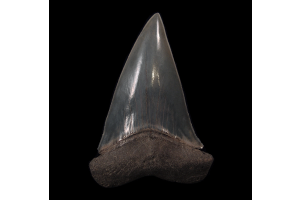
Buyers often search for rare fossils that hold both value and authenticity. Among the most sought-after are fossilized teeth labeled as Otodus megalodon in the Copper Red Site. These teeth are not only visually stunning but also extremely limited in availability. Their signature copper tone and site-specific origin set them apart from other fossil finds. However, that appeal brings imitation and mislabeling into the picture. Before making a purchase, collectors must understand how to identify genuine items and avoid costly mistakes. This guide will walk you through everything you need to confirm before investing.
Recognizing the Value of Copper Red Site Fossils
The Copper Red Site refers to a known fossil-bearing location where the sediment composition creates a rich, copper-red color during the fossilization process. Over time, minerals within the soil bind to the enamel of fossilized shark teeth, giving them their distinctive reddish tone. This effect does not appear in all regions and
- - December 07, 2025
The ocean holds many secrets, but few are as captivating as the story of the megalodon. This massive prehistoric shark dominated the seas for millions of years, and its legacy continues to captivate imaginations. Among the most thrilling artifacts of this ancient predator is the megalodon tooth fossil—a relic that bridges the past and present in the palm of your hand.
But in a market filled with replicas, altered finds, and skillful fakes, how can you tell if what you're holding is authentic? The thrill of the hunt quickly fades when you realize your fossil may be something far less special. Fortunately, with a little patience and a trained eye, spotting the difference becomes easier than you think.
Let’s take a deeper look at the details that separate genuine from imitation—and help you walk away with confidence in your fossil finds.
What Does a Real Megalodon Tooth Look Like?
Megalodon teeth are anything but ordinary. Real ones can measure over 7 inches in length and have a triangular
- - December 07, 2025
There’s something truly magical about holding a piece of Earth’s ancient history in your hand — a glimpse into a time when colossal predators ruled the seas. Among these incredible relics, Sharktooth Hill Megalodon tooth fossils stand out as extraordinary tools for teaching children about evolution, adaptation, and the dynamic story of life on Earth. At Buried Treasure Fossils, we’re passionate about how these fossils not only capture young imaginations but also offer hands-on lessons in science, geology, and environmental change.
Discovering the Fascinating World of Sharktooth Hill
Nestled north of Bakersfield, California, Sharktooth Hill is one of the richest Miocene-age fossil sites in the world. Around 12 to 15 million years ago, this region was submerged under a vast, warm ocean teeming with marine life — from ancient whales and sea lions to the most feared predator of all, the Megalodon. Today, the Sharktooth Hill Megalodon tooth remains one of the most remarkable remnants from
- - December 07, 2025
Millions of years ago, a colossal shark ruled the oceans—a creature so massive that its bite could crush whales with ease. Within the first 60 words, we must highlight the wonder of prehistoric relics like an authentic megalodon tooth, a fossil that connects us directly to the ancient seas. Today, holding such a specimen in your hand is like holding time itself—a relic that once belonged to the greatest marine predator Earth has ever known.
The Legend of the Giant Shark
The Megalodon, whose name means “big tooth,” was an apex predator that dominated the oceans roughly 23 to 3.6 million years ago during the Miocene and Pliocene epochs. This prehistoric shark could reach up to 60 feet in length—twice as long as the largest great white shark living today. According to scientific estimates, its biting force was more than 40,000 pounds per square inch, making it the strongest biter in animal history.
What fascinates collectors and paleontology enthusiasts is that the Megalodon’s reign left
- - December 07, 2025
There’s something extraordinary about holding a piece of ancient history in your hands. Few objects inspire curiosity and wonder like prehistoric shark teeth—especially when they belong to the legendary Otodus megalodon. At Buried Treasure Fossils, we believe these magnificent specimens are more than collector’s items—they’re powerful, hands-on learning tools that ignite scientific curiosity in children and foster a lifelong passion for discovery.
The Fascination of a Prehistoric Giant
The Otodus megalodon—the largest shark to have ever lived—once dominated the oceans over 3 million years ago. This massive predator could grow up to 60 feet long, with jaws strong enough to crush whales. For a young scientist, simply learning about its size and power opens the door to countless questions: How did such an animal evolve? What did it eat? Why did it disappear?
At our store, we’ve seen how even a single fossilized tooth can trigger hours of exploration. It becomes more than just a fossil—it’s
- - December 07, 2025
Collectors searching for Otodus megalodon in Indonesia will quickly notice one thing. Fossil shark teeth found across different regions of the country can vary significantly in their appearance and condition. Some display bold natural colors and near-perfect preservation. Others appear more weathered or worn. These variations are not random. They result from geological differences across Indonesian locations, particularly in areas such as West Java. For any collector aiming to make informed choices, understanding how location influences fossil quality helps avoid costly mistakes.
Fossil Traits Shift with Location and Environment
Indonesia’s terrain is characterized by layers of ancient marine sediment that once cradled species like Otodus megalodon. Fossils formed under these layers react differently depending on their surroundings. West Java is notable for its limestone-rich beds, which have cushioned and protected the teeth of its inhabitants for millions of years. In contrast, regions
- - December 07, 2025
In our experience with fossil collecting, we have witnessed how certain discoveries capture curiosity more than others. Among them, the megalodon tooth remains one of the most extraordinary finds. These massive, serrated fossils have continued to fascinate collectors around the world.
Through our work, we have seen how some teeth possess a level of rarity and preservation that makes them suitable for auction. Understanding when a tooth deserves such distinction requires exploring the features that define its worth in the fossil market.
The Legacy of the Megalodon Tooth
The megalodon, classified under the genus Otodus megalodon, was once the largest known predator of the ancient oceans. It lived during the Miocene and Pliocene epochs and is believed to have reached lengths of nearly 50 to 60 feet. Because its skeleton was made of cartilage, only the teeth and a few vertebrae have survived as fossils. These teeth, often discovered in marine sediments, stand as powerful reminders of a time
- - December 07, 2025
There’s something magical about holding a fossil that connects you directly to Earth’s deep past—a tangible reminder that our planet’s history is vast, mysterious, and full of awe. The Otodus megalodon from Lee Creek is one of those rare treasures that does more than fascinate collectors; it ignites curiosity in learners of all ages. At Buried Treasure Fossils, we see every fossil not just as a specimen, but as a story waiting to be told—a lesson in evolution, science, and imagination that educators can bring alive in classrooms and homeschooling environments.
A Giant from the Deep
Millions of years ago, long before humans walked the Earth, the Otodus megalodon ruled the prehistoric oceans. Reaching lengths of up to 60 feet, this colossal shark had jaws powerful enough to crush whales and other massive marine mammals. Its serrated teeth—some exceeding seven inches—are among the most iconic fossils ever discovered. When students learn about this ocean predator, they’re often amazed that
- - December 07, 2025
Have you ever wondered what it would be like to hold a piece of the ancient ocean in your hand? An authentic megalodon tooth allows you to do just that. These fossilized shark teeth come from the megalodon, the largest predator to have ever lived in prehistoric seas. Owning one is like holding a time capsule from millions of years ago, a tangible connection to a creature so powerful it ruled the ocean. In this blog, we’ll learn and find out why megalodon tooth fossils are so special, how to find real ones, and how to care for your own slice of history.
Why the Megalodon Tooth Stands Out?
The megalodon tooth is unlike any other fossil because it belonged to a shark that grew to incredible sizes, some estimates say up to 60 feet long! This massive size means its teeth could reach over seven inches, making the megalodon tooth one of the largest shark tooth fossils ever discovered.
What makes the megalodon tooth so fascinating is not just its size but also its shape. These teeth
- - December 07, 2025
Beneath the ocean’s quiet surface lies a world that once trembled under the shadow of enormous predators. The megalodon, an apex predator that roamed prehistoric seas millions of years ago, continues to fascinate us through the remnants it left behind. Among these remnants, one artifact stands out above all—the world's largest megalodon tooth, a fossilized fragment of a creature so vast that it defies imagination.
This isn’t simply about a tooth; it’s about a window into an era when marine life reached scales that seem unreal today. Every fossil discovered adds a new layer to our understanding, but the tooth found off the Chilean coast redefines what was previously thought possible about the size and scope of this ancient shark.
A Glimpse Into a Prehistoric Ocean
Imagine swimming in the Miocene epoch, around 20 million years ago, when colossal sharks dominated the seas. The megalodon was not merely large—it was monumental, estimated to reach lengths over 50 feet. Its teeth, serrated like