Page 40 - Megalodon
- - November 10, 2025
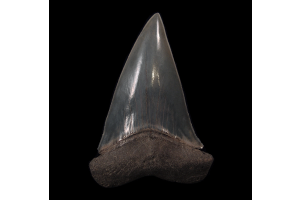
At our fossil collection, we take pride in offering specimens that capture the timeless beauty of Earth’s ancient past. Among them, the Otodus megalodon from Indonesia holds a special place. These remarkable fossils have fascinated us with their exceptional preservation, color, and structure.
Each specimen allows us to glimpse into a prehistoric world where colossal predators once ruled the oceans. Their natural artistry and geological perfection make them among the most captivating fossils we offer.
Geological Origin and Preservation
The story of Indonesian Otodus megalodon teeth begins deep within the limestone formations of West Java. These fossils are often recovered from the Bentang Formation, a geological layer that dates to the Middle Miocene epoch, around 10 to 15 million years ago. Within this limestone, the teeth have remained protected for millions of years, allowing them to retain their detailed structure and natural sheen.
Because these fossils were buried under stable
- - November 10, 2025
Somewhere along a quiet shoreline, the tide pulls back and reveals a fragment of time—dark, triangular, and gleaming faintly beneath the sand. Your heart skips a beat as you realize it could be something extraordinary: a relic from one of the most formidable predators that ever lived. Long before humans walked the earth, the megalodon dominated the seas. Today, finding a megalodon tooth connects us to that ancient past in a tangible way, letting us hold millions of years of history in our hands.
The thrill of such a discovery isn’t just about the fossil itself; it’s about the moment of recognition—the instant when you realize you’ve unearthed a piece of Earth’s forgotten story.
Why These Ancient Giants Still Fascinate Us
Megalodons, often measuring more than fifty feet long, once ruled the oceans with unmatched strength. Their massive teeth—some over seven inches—were designed for crushing bone and devouring large prey. Although they disappeared around three million years ago, their presence
- - November 10, 2025
Deep beneath the ancient oceans, long before humans walked the earth, a colossal predator ruled the seas — the megalodon. With jaws powerful enough to crush whales, this prehistoric shark continues to fascinate scientists and enthusiasts alike. But among all the fossilized remains discovered, one finding continues to astonish researchers — the biggest megalodon tooth ever found.
The story of this discovery begins not in a museum, but along the rugged Chilean coastline. A place where the Pacific whispers secrets of an age when giants swam freely. The megalodon may be extinct, but each fossilized tooth it left behind offers a glimpse into its massive presence and the mysterious world it once dominated.
A Discovery that Changed Everything
It was along Chile’s Atacama Desert coastline that paleontologists made a stunning find — an enormous fossilized tooth measuring more than seven inches long. The sheer size of this relic sent waves through the scientific community. How could such a creature
- - November 10, 2025
At our fossil collection site, we take pride in unearthing relics that bridge the past and present, revealing stories written in stone. We have encountered extraordinary discoveries, but few compare to the biggest megalodon tooth unearthed along the Chilean coast.
This remarkable fossil has captured the fascination of researchers, collectors, and ocean history enthusiasts across the globe. It gives us a glimpse into the incredible power of an apex predator that once dominated ancient seas and enriches scientific understanding of Earth’s distant past.
Unearthing a Monumental Discovery
Along Chile’s scenic coastal formations, a team of geologists and fossil specialists discovered one of the most prominent Megalodon teeth ever recorded. This find stands as a monumental monument in marine paleontology, offering insight into both the biology of the ancient shark and the geological richness of Chile itself. The fossil’s immense size, combined with its pristine condition, makes it one of the most
- - November 10, 2025
At our fossil collection site, we take great pride in curating remarkable discoveries that bring the ancient world to life. Among these treasures lies a tooth that radiates both mystery and magnificence. Its copper red enamel gleams softly, while its sturdy root anchors it to an age long past. This exquisite specimen, discovered in the Meherrin River area of North Carolina, originates from the “Red Site,” a location celebrated for producing the most vibrant copper-red Megalodon fossils.
Each detail of the enamel and root holds a quiet narrative, offering a glimpse into a creature that once ruled the seas. The story of the Otodus megalodon in Copper Red Site begins here, etched in color, texture, and time.
The Enamel: A Chronicle of Color and Preservation
The enamel of this specimen tells a story through color alone. Its copper-red hue sets it apart from the typical gray or black tones seen in other Megalodon fossils. This deep coloration formed naturally through mineral-rich sediments
- - November 10, 2025
In the coastal regions of North Carolina, certain Megalodon teeth hold an extraordinary distinction. These fossils appear in a vibrant copper-red hue that sets them apart from the typical black or gray shark teeth found in other parts of the world. Each red specimen tells a unique geological story about minerals, sediment, and time.
The coloration seen in these fossils is not artificial but a result of natural processes that unfolded over millions of years. Among the rarest examples, a megalodon tooth from North Carolina captures this striking transformation through its deep red tone and exceptional preservation.
The Unique Discovery of Red Megalodon Teeth
Megalodon teeth are among the most recognized fossils globally, but the copper-red specimens from North Carolina are scarce. They have been discovered in fossil layers such as the Miocene Pungo River Formation and the Pliocene Yorktown Formation. The Meherrin River area, in particular, is noted for producing these remarkable fossils,
- - November 10, 2025
Imagine holding a relic that once belonged to one of the ocean’s most formidable creatures—a fossilized memory of nature’s untamed era. Worn around the neck, this fragment of history becomes more than jewelry; it’s a silent story of survival, mystery, and awe. A megalodon tooth necklace captures this connection between humanity and the deep, reminding us that beauty often lies in the echoes of the past.
Each tooth once belonged to a predator that ruled the seas millions of years ago —a shark so large that its bite could crush bones with ease. Today, these fossils are admired not for their ferocity but for their form—fossilized enamel polished by time, revealing stunning shades of gray, tan, and black.
As you explore the idea of wearing one, you’re not just choosing an accessory; you're also making a statement. You’re embracing a conversation piece that whispers of lost oceans and colossal creatures.
The Allure of Fossil Jewelry
Fossil jewelry holds a charm unlike anything crafted by modern
- - November 10, 2025
When powerful coastal storms strike the North Carolina shoreline, they do more than reshape beaches and shift sands. At our fossil collection and research center, we often witness how these natural forces can uncover remarkable fossils that have remained hidden for millions of years.
Among the most impressive of these discoveries are the fossilized teeth of ancient sharks, including the legendary Megalodon Tooth from North Carolina. Through erosion and wave activity, storms can expose deep layers of sediment where these prehistoric treasures lie buried, revealing traces of an oceanic world that once thrived along the coast.
The Geological Setting of North Carolina
The coastline and river systems of North Carolina are known for their fossil-rich formations that continue to yield fascinating discoveries. Several significant geological layers in the region can contain fossil shark teeth from ancient marine environments. These include the Eocene Castle Hayne Formation, the Miocene Pungo
- - November 10, 2025
The Megalodon was one of the largest predators to ever live in the ocean. If you have ever wondered how big can a megalodon tooth get, you are not alone. These teeth are more than just fossils. They tell the story of a giant shark that ruled the seas millions of years ago.
In this article, we will explore the different sizes of Megalodon teeth. From small teeth found by beginners to huge teeth that are rare and valuable, you will learn what makes these teeth so special. If you want to know about megalodon tooth size and how these ancient sharks lived, keep reading!
The Power Behind the Tooth
The Megalodon was a massive shark that lived millions of years ago. Its teeth give us clues about its size and strength. Many people ask, how big can a megalodon tooth get. Some of the biggest teeth are more than seven inches long. That is as long as a human hand!
The size of a tooth can tell us a lot. Bigger teeth belonged to older sharks or those at the front of the jaw. Smaller teeth often
- - November 10, 2025
Imagine holding a piece of ancient history in your hands—one that once belonged to the most formidable predator the oceans have ever known. A megalodon tooth is more than a fossil; it’s a story trapped in time, whispering of vast seas and colossal creatures that ruled millions of years ago. The size, sharpness, and sheer presence of a big megalodon tooth evoke both curiosity and awe, making it one of the most coveted finds among fossil enthusiasts.
For many collectors, the fascination begins with the thrill of discovery and grows with the desire to own something rare and tangible from Earth’s ancient past. And as these fossilized treasures resurface from ocean beds and riverbanks, each one carries its own signature—unique in color, texture, and preservation.
A Journey Through Deep Time
Long before humans walked the planet, megalodons patrolled the prehistoric oceans. Measuring up to 60 feet in length, this extinct shark species was a symbol of dominance in its era. Every tooth, some reaching