Page 30 - Gary Greaser
- - December 08, 2025
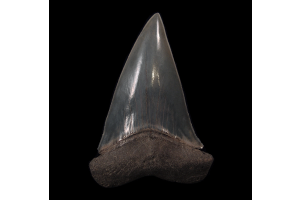
A megalodon shark tooth is more than “just a fossil.” It is a real piece of ocean history that has survived for millions of years. When you bring one home, your job is to keep it safe, clean, and stable so it can last many years in your collection. Many collectors buy from trusted fossil dealers that offer authentic megalodon shark teeth for sale, and proper care helps protect that investment.
Clean Your Tooth With Gentle Methods
Start with the safest cleaning method: plain, lukewarm water. Rinse the megalodon shark tooth under a slow stream to remove loose sand and dirt. Use your fingers or a very soft toothbrush to reach small grooves. Brush lightly so you do not scratch the enamel or chip the edges.
If there is stubborn mud, you can soak the tooth in fresh water for a few hours or overnight. Some guides suggest a very mild soap solution for hard deposits, but always test on a small area first and rinse well after. Never use bleach, vinegar, or other acids; they can slowly eat away
- - December 07, 2025
The Otodus megalodon continues to fascinate collectors, researchers, and fossil enthusiasts for its sheer scale and historical significance. When it comes to collecting megalodon teeth, not all sources offer the same quality or characteristics. Among the various fossil sites known for producing megalodon specimens, Sharktooth Hill in California holds a unique reputation. What makes these teeth different? We’ve worked closely with collectors and studied countless specimens, and we know exactly what makes Otodus megalodon - Sharktooth Hill teeth special. Let's walk through the distinctive features that elevate these fossils in the eyes of serious collectors.
Why Sharktooth Hill Is a Fossil Hotspot
Located in the southern part of California’s Central Valley, Sharktooth Hill is part of the Round Mountain Silt formation. This site dates back approximately 15 to 16 million years, to the middle Miocene epoch. Unlike coastal dig sites that have been heavily scavenged, Sharktooth Hill offers inland
- - December 07, 2025
The ocean has always been a place of mystery, where time seems to stand still and legends often blur with reality. From shimmering coral reefs to the dark trenches of the deep, every current hides a story waiting to be told. Among these stories lies one of the most extraordinary creatures ever to have existed—the Carcharocles megalodon, a name that continues to stir curiosity and wonder among scientists and explorers alike.
The mere idea of this prehistoric predator lurking in unexplored waters sparks imagination. What if, in the remote corners of our planet’s vast ocean, traces of the ancient giant still remain?
Tracing the Shadows of a Giant
New Caledonia, surrounded by the South Pacific’s brilliant blues and hidden depths, offers a unique geological setting for fossil discoveries. Beneath its calm lagoons and sharp coral ridges lie sedimentary layers that have preserved fragments of Earth’s ancient marine history. Fossilized teeth found in similar regions give us an idea of the megalodon’s
- - December 07, 2025
Have you ever come across a fossil online or at a store and thought, “Is this real?” If you’ve been thinking of buying a megalodon tooth fossil, that question is even more important. With their massive size and prehistoric charm, these shark teeth are some of the most fascinating fossils on the market today.
But here’s the truth: many are not real. So how do you know if the megalodon tooth fossil you’re eyeing is the real thing? In this blog, we’ll walk through easy, practical ways to tell the difference between an authentic fossil and a fake.
Let’s begin by understanding why these fossils are so special and valuable.
Why So Many People Want a Megalodon Tooth?
The megalodon tooth fossil is more than just a collector’s item. It’s a piece of prehistoric history. Megalodons were enormous sharks, believed to grow up to 60 feet long. Their teeth, often larger than a human hand, are the only parts of their bodies that fossilized well.
Owning one means holding a piece of Earth’s past. These
- - December 07, 2025
The first time a child holds a real fossil, something magical happens—a spark of wonder ignites. That spark can lead to a lifelong passion for discovery, science, and the mysteries of our planet’s history. When parents or educators choose to buy megalodon tooth specimens or other authentic fossils, they’re not just collecting ancient artifacts; they’re nurturing curiosity that could grow into tomorrow’s scientific breakthroughs. And if you’ve ever wondered, can you buy a megalodon tooth?—the answer is yes, and doing so can make an extraordinary educational impact.
The Power of Tangible Discovery
In a world increasingly governed by the glow of digital screens and the confines of virtual classrooms, there exists an unparalleled enchantment in the tactile experience of grasping a genuine piece of Earth's ancient history. A fossil transcends mere relic; it embodies a profound connection that links the distant past to our contemporary lives, serving as a remarkable bridge to the vibrant natural
- - December 07, 2025
These ancient fossil deposits include megalodon tooth ledges that mark the very zones where megalodon activity once concentrated. These ancient formations mark the very zones where megalodon activity once concentrated. For fossil hunters, understanding what these ledges are and how they form leads to more successful discoveries. Instead of chasing isolated finds, collectors can follow patterns laid down by prehistoric behavior and geology. These ledges offer structure, consistency and context that scattered beach finds cannot provide. Knowing how to identify, study and explore these areas brings real results for those searching for megalodon teeth.
Many fossil hunters begin with excitement but quickly realize that scattered finds often offer no lasting success. Without a clear understanding of the signs to follow, time and energy are wasted. Tooth ledges provide an answer. These formations show where megalodons fed, moved, or lingered. Over time, their teeth settled in one place, and
- - December 07, 2025
Picture yourself on a quiet beach, waves rolling in, the scent of salt in the air. As your foot brushes the edge of a dune, something hard and jagged emerges from the sand. It’s not a shell or a stone—it's large, dark, and triangular. What you’ve found is something much more extraordinary: a fossilized tooth once wielded by a creature larger than a school bus.
A relic like this pulls us into the ancient world of the megalodon—a shark so immense that it continues to captivate fossil hunters, collectors, and scientists alike. Among its remains, few artifacts are as prized as the 8-inch megalodon tooth, a rare glimpse into a prehistoric era where size and strength ruled the seas.
What Made the Megalodon a Giant Among Predators?
The megalodon wasn't merely a big fish—it was an oceanic apex predator that lived roughly 23 to 3.6 million years ago. With an estimated length of over 60 feet, this shark dwarfed most marine life that swam near it. Its teeth, unlike anything found in today's oceans,
- - December 07, 2025
In the coastal regions of North Carolina, certain Megalodon teeth hold an extraordinary distinction. These fossils appear in a vibrant copper-red hue that sets them apart from the typical black or gray shark teeth found in other parts of the world. Each red specimen tells a unique geological story about minerals, sediment, and time.
The coloration seen in these fossils is not artificial but a result of natural processes that unfolded over millions of years. Among the rarest examples, a megalodon tooth from North Carolina captures this striking transformation through its deep red tone and exceptional preservation.
The Unique Discovery of Red Megalodon Teeth
Megalodon teeth are among the most recognized fossils globally, but the copper-red specimens from North Carolina are scarce. They have been discovered in fossil layers such as the Miocene Pungo River Formation and the Pliocene Yorktown Formation. The Meherrin River area, in particular, is noted for producing these remarkable fossils,
- - December 07, 2025
Fossil discoveries can spark excitement, but few finds excite scientists and collectors like a Megalodon tooth. Recently, Chile became the center of attention with a discovery that could be the world’s biggest Megalodon tooth ever found. This find is not only remarkable for its size but also for what it reveals about one of the oceans’ most powerful prehistoric predators.world’s biggest Megalodon tooth
The Discovery That Shook Paleontology
In Chile’s coastal regions, a team of geologists and paleontologists uncovered a massive fossil. Measuring enormous dimensions, this tooth might be the world’s biggest Megalodon tooth discovered to date. Experts say its size points to the incredible power and scale of the Megalodon.
This find is a bridge to the past, showing us how enormous these predators were. Chile’s unique geological history, with its tectonic shifts and coastal erosion, makes it a hotspot for fossil hunters. Every layer of sediment tells a story, and this discovery adds a dramatic
- - December 07, 2025
Long before humans roamed the Earth, the oceans were ruled by a predator so powerful that even whales trembled in its presence. Deep beneath layers of sediment and time, fossilized remains whisper stories of this ancient giant—the mighty Megalodon. Among these relics, the largest megalodon tooth ever discovered continues to awe scientists and collectors alike, serving as both a symbol of raw prehistoric power and a window into ancient ocean life. At Buried Treasure Fossils, we’re proud to bring such discoveries closer to those who share our fascination for the mysteries locked in stone.
Unearthing the Giant of the Deep
When paleontologists and fossil hunters talk about legendary finds, few discoveries match the thrill of unearthing a Megalodon tooth. Measuring over 7 inches, the largest megalodon tooth ever discovered is more than just a fossil—it’s a record of one of the ocean’s most fearsome predators. For comparison, that’s roughly three times the length of a modern Great White