Page 2 - Gary Greaser
- - December 08, 2025
In our work, we take pride in providing collectors and enthusiasts with genuine pieces of history. When we make authentic fossils available, it allows us to share something truly extraordinary. A real claw is not only a fascinating object but also a preserved link to the ancient world. Our specimens come with authenticity guaranteed, and they are collected responsibly from private lands in the northwestern United States.
That assurance can give confidence to those who want to build a collection rooted in both accuracy and integrity. For those seeking a velociraptor claw for sale, authenticity remains the key attraction.
Relics from a Prehistoric Predator
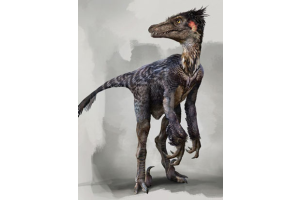
Dromaeosaur dinosaurs, close relatives of the well-known velociraptors, were remarkable predators of the Late Cretaceous. They were under two meters long, weighed about 15 kilograms, and could move with speed and precision. Their anatomy included serrated teeth and a curved claw on each foot, which was designed for gripping and slashing
- - December 08, 2025
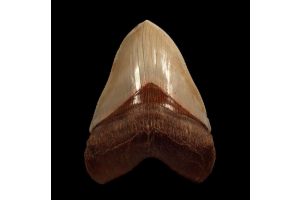
Buying a fossilized Megalodon tooth online can feel exciting until doubt creeps in. You start to wonder whether the tooth you bought is truly what the seller claimed. That is a valid concern. With a growing fossil market, many buyers receive pieces that look impressive but lack authenticity. Some fossils undergo restoration, while others turn out to be replicas. When you understand how to check your teeth, you make smarter decisions. These five clear checks will help you recognize an authentic megalodon tooth and give you the confidence to collect with care.
Examine the Enamel of an Authentic Megalodon Tooth
You should always look at the enamel first. A real Megalodon tooth will not have a shiny or flawless surface. Instead, the enamel typically exhibits a soft texture, microscratches, and natural signs of aging. These features reflect the long history of the fossil, not modern treatment. If the tooth feels smooth, like plastic, or reflects light sharply, it may have been polished. You
- - December 08, 2025
If you love fossils, finding a Megalodon tooth can be an exciting adventure. These giant teeth come from one of the biggest predators in history, and owning one is like holding a piece of the past. Collectors and fossil enthusiasts around the world are fascinated by these prehistoric treasures. With the right locations and guidance, anyone can increase their chances of finding a genuine Megalodon tooth.
Hunting for fossils is not just about luck. Understanding where to search and what to look for makes a big difference. Some spots in the U.S. are known for yielding impressive finds, and exploring them can make your fossil hunt both fun and rewarding.
Why Megalodon Teeth Are So Special?
Megalodon teeth are rare and powerful symbols of history. Each tooth tells a story of an ancient ocean predator that ruled millions of years ago. Many people enjoy the challenge and thrill of finding a Megalodon tooth. It is not just collecting; it is discovering history first-hand.
For beginners, the
- - December 08, 2025
Collectors, educators, and fossil fans are often surprised to learn how much a tooth’s locality can reveal about the world the Megalodon once ruled. Just a few sentences into exploring prehistoric oceans, we naturally begin talking about the incredible megalodon teeth for sale and the stories they hold. Each specimen reflects a distinct ecosystem, sediment type, and geological history. At Buried Treasure Fossils, we’ve spent decades working with authentic Megalodon specimens from all over the world, and we’ve seen firsthand how dramatically locality shapes a tooth’s color, preservation, and scientific value.
Why Locality Matters When Collecting Megalodon Teeth
Every Megalodon tooth is a time capsule. But where it was found determines how that time capsule was sealed. Factors like mineral content, water depth, volcanic activity, and sedimentation all influence the final appearance of the tooth. When you search for a megalodon tooth for sale, noticing the locality helps you understand
- - December 08, 2025
Not all megalodon teeth are created equal. While each one is a relic of Earth’s ancient oceans and a testament to the sheer scale of the Otodus megalodon - So. Carolina, there’s a wide range in their market value, and for good reason. As fossil enthusiasts, we often ask what makes one specimen command a much higher price than another. The answer lies in a combination of factors: size, preservation, color, provenance, and rarity. These are not just prehistoric artifacts; they are collector’s items where every detail matters. So let’s walk through why the value of these teeth varies so dramatically.
The Rarity Factor: Not Every Tooth Survives Time Equally
The megalodon roamed the oceans millions of years ago, leaving behind countless teeth over time. But that doesn’t mean all of them have survived in collectible condition. The conditions needed to preserve a tooth over millennia are specific and rare. When teeth are found whole, with intact enamel, minimal erosion, and no missing serrations,
- - December 08, 2025
Millions of years ago, a colossal shark ruled the oceans—a prehistoric predator so enormous that its jaws could crush a small car in a single bite. Just thinking about its sheer size sends chills down your spine! Within the first 60 words, we introduce something thrilling—megalodon teeth for sale and explore what makes these ancient treasures so fascinating, from their discovery to how collectors today carefully study and preserve them. Ever wondered about the megalodon tooth price and why it varies so much? Let’s dive deep into the science, mystery, and excitement behind these fossilized wonders that connect us directly to Earth’s ancient past.
Meet the Ocean’s Ultimate Giant
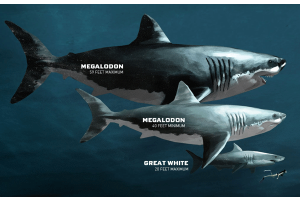
The Megalodon wasn’t just any shark—it was the ultimate apex predator. Stretching up to 60 feet long and weighing as much as 75 tons, it ruled prehistoric seas during the Miocene and Pliocene epochs, roughly 23 to 3.6 million years ago. Scientists believe Megalodon preyed on massive whales, giant turtles, and even
- - December 08, 2025
Experienced fossil collectors know that location drives value. When it comes to Megalodon teeth, North Carolina continues to stand out for its rare geological profile, consistent fossil preservation, and distinct coloration. Collectors don’t settle for vague listings or generic origins. They seek fossils with proven context and traceable details. That’s why many start their search for a megalodon tooth in North Carolina. The riverbeds and marine deposits in this region deliver specimens that carry scientific weight and long-term collector value.
Why Do Megalodon Teeth from North Carolina Stand Apart?
Not all Megalodon teeth offer the same traits. The ones sourced from North Carolina show better preservation, more substantial mineralization, and most importantly, traceable recovery. This region produces fossil layers from both the Miocene and Pliocene periods. These include the Pungo River Formation and the Yorktown Formation, both of which are known for their dense fossil beds and rich
- - December 08, 2025
The Megalodon is one of the most famous sharks in history. It lived millions of years ago and grew to an enormous size. Collectors and fossil enthusiasts highly value the teeth of this giant shark. Among all locations, New Caledonia produces some of the rarest and most sought-after teeth. These teeth are not just fossils; they are a direct link to prehistoric oceans. Many collectors dream of owning a Carcharocles megalodon tooth from this exotic location.
A Glimpse Into the Past
The Carcharocles megalodon lived during the Middle Miocene period, about 15 to 20 million years ago. This giant predator ruled the oceans and left behind teeth that tell the story of its size and power. Teeth from New Caledonia are particularly special. They come from a rare underwater deposit that spans five square miles at a depth of about 1,000 feet. Today, dredging in this area has stopped, making every tooth from New Caledonia extremely rare.
Collectors value the Carcharocles megalodon because each
- - December 08, 2025
Many collectors face a common decision: whether to invest in a Megalodon tooth or a Great White shark tooth. While both fossils offer distinct visual appeal and historical importance, they serve very different purposes depending on what you want as a collector. In short, Megalodon teeth carry weight for those seeking size, rarity, and prehistoric significance. Great White teeth work better for collectors focused on sharp form, living species lineage, and affordability. The megalodon vs great white tooth decision isn’t just about looks. It’s about making a wise, informed choice that suits your goals.
Distinct Origins Define Their Importance
Megalodon teeth come from a long-extinct predator that once dominated ancient oceans more than three million years ago. These sharks measured over 50 feet in length and left behind teeth that reflect their size and power. The teeth are large, thick, and triangular with serrated edges. The Great White shark, however, still roams the ocean today. Fossils
- - December 08, 2025
Not every fossil holds the same weight, but a well-preserved megalodon tooth from North Carolina offers more than just a glimpse into prehistoric life. It provides a tangible connection to an apex predator that once ruled ancient seas. Still, not all megalodon teeth meet the standards collectors expect. When you learn how to tell a high-grade specimen apart from the rest, you avoid settling for less and gain a fossil with lasting significance. This guide walks through the key traits that set premium-quality teeth apart, using only the insights found on our fossil listing page.
What Defines a High Grade Megalodon Tooth From North Carolina?
A high-grade fossil tooth tells its story through preservation, color, shape, and completeness. We only label a specimen as top quality when it checks all those boxes. You should expect excellent enamel conservation. That surface should remain strong, smooth, and unflaked. The root must also remain whole and undamaged, not broken or artificially filled.