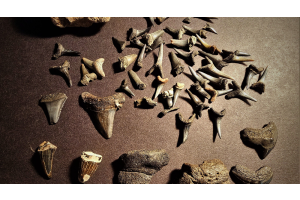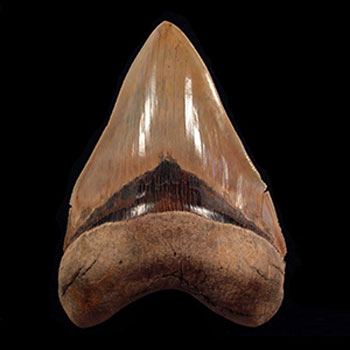
Collectors, educators, and fossil fans are often surprised to learn how much a tooth’s locality can reveal about the world the Megalodon once ruled. Just a few sentences into exploring prehistoric oceans, we naturally begin talking about the incredible megalodon teeth for sale and the stories they hold. Each specimen reflects a distinct ecosystem, sediment type, and geological history. At Buried Treasure Fossils, we’ve spent decades working with authentic Megalodon specimens from all over the world, and we’ve seen firsthand how dramatically locality shapes a tooth’s color, preservation, and scientific value.
Why Locality Matters When Collecting Megalodon Teeth
Every Megalodon tooth is a time capsule. But where it was found determines how that time capsule was sealed. Factors like mineral content, water depth, volcanic activity, and sedimentation all influence the final appearance of the tooth. When you search for a megalodon tooth for sale, noticing the locality helps you understand not only rarity but also environmental clues from millions of years ago.
Our catalog includes teeth discovered across North and South America, each with its own unique look. Below, we break down exactly what makes each region stand out—and why collectors at every level love comparing specimens by locality.
Georgia Megalodon Teeth: Deep, Rich Colors and Excellent Preservation
Georgia Megalodon teeth are famous for their striking coloration. These specimens often feature deep river staining, ranging from bold blacks to earthy browns, created by iron-rich sediments. Their river origins mean they frequently emerge with glossy enamel and strong serrations.
Collectors appreciate Georgia teeth for their dramatic presence and durability. Because we carefully source only legally collected fossils, the Georgia pieces we offer often come from private riverbeds with long-standing reputations for producing top-quality specimens. Their color tends to be especially appealing for display collections and classroom demonstrations.
Florida Megalodon Teeth: Classic Look, Wide Variety, and Strong Enamel
Florida has long been one of the most productive Megalodon localities in the world. The Sunshine State has multiple fossil-rich formations—including the famous Bone Valley Formation—giving Florida teeth exceptional diversity.
Bone Valley Megalodon teeth in particular are known for:
● Stunning colors (creams, yellows, blues, and mixed hues)
● Bright, glassy enamel
● Excellent root preservation
● Bold contrast between crown and root
Because of phosphate-rich soils, Florida teeth often fossilize with vibrant color patterns not found anywhere else. At Buried Treasure Fossils, we regularly feature these high-grade Florida pieces, hand-selected for enamel quality and collectors' appeal.
Chile Megalodon Teeth: Museum-Quality and Highly Sought After
Chile produced some of the finest Megalodon teeth ever found. The Atacama Desert deposits created thick, heavy, beautifully preserved teeth prized worldwide. Chilean teeth typically have:
● Dark, smoky gray crowns
● Thick, robust roots
● Outstanding serrations
● Heavy mineralization
These fossils were once part of marine beds uplifted by tectonic activity, which is why they’re found in desert terrain today. Although commercial collecting in Chile has become restricted, we still offer rare, authentically sourced Chilean specimens collected before regulations tightened. These pieces remain investment-grade, ideal for advanced collectors and educators who want to showcase exceptional examples.
Peru Megalodon Teeth: Light Colors and Fossil Layers Filled With Marine Life
Peru’s Mio-Pliocene marine sediments produce Megalodon teeth unlike any others. While Peru is better known for huge fossil whale material, its Megalodon teeth display soft pastel colors, including tans, creams, and light grays. The softer coloration comes from the unique sedimentation of the Pisco Formation.
Peruvian teeth often show:
● Smooth enamel
● Warm, sandy coloration
● Fascinating associated fossils (marine mammals, penguins, and fish)
Because Peru’s fossils are part of one of the richest marine ecosystems ever discovered, each tooth becomes an educational insight into predator-prey relationships in prehistoric oceans.
Sharktooth Hill (California): A Window Into the Miocene World
Sharktooth Hill, part of California’s Temblor Formation, is one of the most famous shark fossil localities in the world. While the deposit primarily yields other species like Mako and Great White ancestors, it also produces distinctive Megalodon teeth known for excellent fossil integrity.
Sharktooth Hill Megalodon teeth are known for:
● Soft brown and wheat-colored hues
● Exceptionally preserved enamel
● Long fossilization periods under stable conditions
Because the area once represented a dense Miocene shark nursery, teeth from this locality are ideal for educators wanting to illustrate shark diversity and behavior. When we list Sharktooth Hill pieces, they’re often quickly claimed by collectors who appreciate their rarity and geological significance.
The Carolinas: River-Recovered Classics With Bold, Dramatic Coloring
North and South Carolina rivers—particularly the coastal blackwater rivers—have produced some of the most visually striking Megalodon teeth available today. The dark waters and tannin-rich sediments stain the fossils into deep blacks and rich coffee browns.
Carolina Megalodon teeth typically feature:
● Jet-black or mahogany enamel
● Sharp, serrated edges
● Strong roots with minimal erosion
● Large sizes, especially from South Carolina’s lowcountry rivers
These river finds are incredibly popular among collectors. Many of the megalodon teeth for sale in our catalog come from the Carolinas because of their consistent quality, dramatic color, and impressive size.
What Locality Teaches Us About Megalodon’s Ancient World
Collecting Megalodon teeth is more than just acquiring fossils—it’s a method of reading Earth’s history. Locality can reveal:
● The water temperature Megalodon swam in
● The type of prey that populated the region
● Geological uplift and marine transgressions
● Climate patterns during the Miocene and Pliocene
Each tooth you hold comes from a precise moment in time, shaped by millions of years of pressure, minerals, and environmental change. That’s why we emphasize locality details with every Megalodon specimen we offer. It helps collectors, teachers, and fossil enthusiasts interpret the ancient oceans with clarity and excitement.
Conclusion
Exploring different Megalodon localities reveals just how much a tooth can teach us about prehistoric oceans. Whether you’re studying color variations, sediment influence, or ancient shark ecosystems, these fossils offer endless opportunities for discovery. And as you browse our collection of megalodon teeth for sale, you’ll find pieces from Georgia, Florida, Peru, Chile, Sharktooth Hill, and the Carolinas—each with its own rich story. If you're looking for a megalodon tooth for sale, now is a wonderful time to add a scientifically meaningful, visually stunning fossil to your collection. We invite you to explore these extraordinary specimens and let your next find inspire your passion for palaeontology even further.