Page 11 - Gary Greaser
- - December 04, 2025
Long before theme parks and beach vacations, Florida’s warm, shallow seas were home to some of the most fascinating creatures ever to exist—including the mighty Megalodon, the largest shark that ever lived. Today, the Sunshine State remains one of the best places to uncover its ancient secrets. If you’ve ever wondered where to find megalodon teeth in Florida, you’re in luck—Florida’s sandy coasts and riverbeds are full of prehistoric treasures waiting to be discovered.
The Ancient Ocean Beneath Florida’s Feet
Millions of years ago, Florida was completely underwater. The warm coastal seas were teeming with life—giant sharks, whales, sea turtles, and coral reefs filled the ancient ocean. Over time, as sea levels changed and sediments settled, these creatures became buried beneath layers of sand, mud, and limestone. Their bones and teeth turned into fossils, perfectly preserved snapshots of Earth’s distant past.
Because of this unique geological history, Florida’s soil and river systems are
- - December 04, 2025
Long before the beaches of North Carolina became a favorite spot for family vacations, the waters that now surround Ocean Isle were home to some of the most powerful predators the Earth has ever known. These enormous sharks, known as megalodons, once ruled the seas with jaws strong enough to crush whales. Today, their legacy lives on through the fossilized remains of their teeth—some of which have made their way to the surface, sparking fascination for anyone lucky enough to stumble upon them. Among the most thrilling discoveries for fossil hunters is the megalodon tooth in Ocean Isle, a relic that connects our modern world to an ancient oceanic giant.
The Megalodon: Ocean’s Prehistoric Titan
Imagine a shark longer than a school bus with teeth as big as your hand—that was the megalodon. Scientists estimate it lived roughly 23 to 3.6 million years ago during the Miocene and Pliocene epochs. Its name, Carcharocles megalodon, literally means “giant tooth,” and for good reason. These massive
- - December 04, 2025
For fossil collectors and enthusiasts, few discoveries inspire awe like a megalodon tooth. These relics from the world’s largest known shark species offer more than just a glimpse into prehistoric life; they hold layered evidence of ancient ecosystems and shark biology. As we’ve learned through years of fossil study, one of the most overlooked yet fascinating features is something known as megalodon tooth ledges. These natural ridges carry critical information about the shark’s life cycle, feeding habits, and even how the fossil was preserved.
Let’s take a closer look at what these ledges mean, how to read them correctly, and why they matter, whether you're a seasoned collector or just starting your fossil journey.
What Are Megalodon Tooth Ledges?
Tooth ledges are naturally occurring ridges or indentations visible along the enamel and root junction of a megalodon tooth. They often appear as horizontal, shelf-like lines and can easily be mistaken for damage or unnatural wear by less experienced
- - December 04, 2025
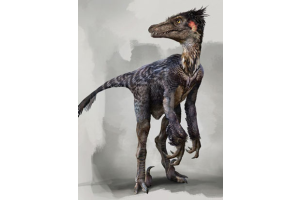
If you’re searching for a “velociraptor tooth Texas,” you’re not alone. It’s a popular phrase. But it often points buyers to North American dromaeosaur teeth, raptor relatives sold with clear provenance, rather than to Velociraptor itself. On Buried Treasure Fossils, you’ll find legally collected raptor teeth from Late Cretaceous formations, including the famous Hell Creek. These are authentic, curated for collectors, educators, and display buyers.
Let’s Describe Velociraptor Tooth in Texas and What It Really Means
Velociraptor is a Mongolian genus. So the phrase “velociraptor tooth Texas” usually reflects buyer intent, not strict scientific accuracy. In practice, shoppers are looking for dromaeosaurid (raptor) teeth from North American formations. Buried Treasure Fossils maintains dedicated raptor categories and regularly lists U.S. pieces with formation and county details.
The store even addresses the Texas angle in its blog, pointing out that collectors often prize North American
- - December 04, 2025
Some people find coins at the beach. Others might stumble on a lost flip-flop. But every once in a while… someone strikes prehistoric gold. That’s exactly what happened when a Florida man discovered something extraordinary — a fossilized Megalodon tooth so large and so well-preserved that it instantly stood out as a remarkable relic from the ancient world.
At Buried Treasure Fossils, we understand just how significant a discovery like this can be. When a man finds a Megalodon tooth, he uncovers more than just a fossil. He unlocks a direct link to an enormous predator that once dominated Earth’s oceans millions of years ago.
Megalodon: The Ocean's Prehistoric Titan
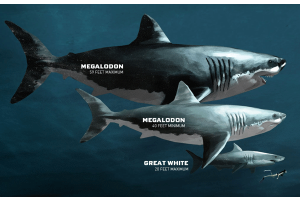
The Megalodon was not just any shark. It was the largest shark to have ever existed, reaching an estimated 60 feet in length. That’s about the same size as a school bus — except with a jaw full of teeth the size of a human hand.
This ancient predator ruled the seas during the Miocene and Pliocene epochs. With massive, serrated
- - December 04, 2025
When we talk about the ocean’s most fearsome predators, the megalodon always comes to mind. This prehistoric giant shark lived millions of years ago and left behind fossils that continue to amaze scientists and collectors. Among its most prized remnants are its massive teeth, which raise an intriguing question: how big was the megalodon tooth, and could it be the largest tooth ever found in history?
At Buried Treasure Fossils, we’ve spent years helping collectors and enthusiasts connect with some of Earth’s most incredible remnants from the deep past. One of the most captivating of these is the megalodon tooth found in various locations around the world. These fossils represent a remarkable glimpse into a time when giants ruled the oceans.
A Prehistoric Predator Like No Other
The megalodon, formally named Otodus megalodon, lived approximately between 23 and 3.6 million years ago. As one of the largest marine predators in Earth's history, this shark is believed to have grown up to 60
- - December 04, 2025
There’s something magical about standing at the edge of a riverbank, sifting through sand and shells, waiting for that glimmer of ancient history to emerge. Within the first few inches of sediment may lie one of the ocean’s most awe-inspiring relics—a fossilized tooth from the mighty Megalodon. For those who dream of uncovering a piece of prehistory, megalodon tooth fossil hunting is far more than a hobby—it’s a thrilling bridge between science and adventure.
At Buried Treasure Fossils, we know firsthand the excitement that comes with unearthing fossils that have survived millions of years beneath the surface. From novice collectors to seasoned paleontologists, everyone feels the same heart-racing wonder when they discover a tooth from one of Earth’s greatest predators.
The Legacy of the Megalodon
Imagine a truly magnificent apex predator, reaching an astounding 60 feet from snout to tail, with a jaw strength that surpasses a jaw-dropping 40,000 pounds—strong enough to effortlessly crush
- - December 04, 2025
Many fossil hunters arrive in Florida with one goal in mind. They want to find a real megalodon tooth buried beneath the soil or riverbed. They bring their gear, they follow advice, and they work for hours, sometimes days. But often, they leave with empty bags and more profound questions. The issue rarely lies in their effort. The real challenge begins with knowing where to look and how to read the land. If you want to know where to find megalodon teeth in Florida, you must first understand why your current approach might not work.
How Ancient Florida Preserved the Megalodon’s Legacy?
Millions of years ago, Florida sat beneath a shallow sea. Megalodon, the largest shark that ever lived, swam these waters and left behind rows of massive teeth. Over time, these teeth settled into ancient seabeds that slowly turned into fossil layers. Today, erosion and water flow expose these layers in certain parts of the state. But not every place reveals its history equally. Some spots still hold treasure.
- - December 04, 2025
Design trends come and go. A real fossil never does. If you want a statement piece that mixes science with style, a Megalodon tooth is perfect. This guide shows you how to buy megalodon shark tooth specimens that look incredible at home or in a workspace, while staying true to what Buried Treasure Fossils actually offers.
Start With a Trusted Source
Only shop with a dealer that guarantees authenticity and clearly lists size, origin, and condition. Buried Treasure Fossils specializes in legally collected fossils and backs quality with an authenticity guarantee across categories.
Why does this matter for décor? You get the look you want and the provenance your guests will ask about. You also avoid “polished replicas” that disappoint when they arrive.
Pick the Right Size for the Room
Large rooms can carry a big tooth. Small rooms need subtlety. Think in inches and in sightlines.
● Entry or great room: 5–6+ inch showpieces command attention on a console, pedestal, or bookshelf. Buried
- - December 04, 2025
Imagine holding something so ancient, so powerful, that it connects you directly to one of the largest predators to ever exist. That’s exactly what it feels like when you cradle a real Megalodon tooth in your hand. For anyone curious about where to buy megalodon teeth, this journey goes far beyond collecting fossils—it’s about stepping into the world of prehistoric oceans, unlocking mysteries of evolution, and feeling the excitement that drives ocean science itself.
The Magic of a Prehistoric Giant
Millions of years ago, the ocean was home to the Megalodon, a shark that dwarfed today’s Great White. Reaching up to 60 feet long and weighing as much as 70 tons, this marine predator ruled the seas with unmatched power. Its teeth, some over seven inches long, are among the largest fossils ever discovered—and they’re the most direct clue we have about this extinct giant’s existence.
When you hold one of these fossilized teeth, you’re literally touching a piece of history from the Miocene and