Page 5 - Blog
- - December 07, 2025
Megalodon tooth fossils continue to fascinate collectors, marine enthusiasts, and paleontology fans. Known for their size, triangular form, and prehistoric value, they remain highly desirable. But with increased demand comes a rise in replicas, restorations, and altered specimens. We’ve observed how challenging it can be for buyers to distinguish genuine fossils from imitations, especially when purchasing online or at fossil markets. If you're uncertain about how to verify authenticity, learning the key identifiers is essential. This guide will help you confidently assess a megalodon tooth fossil and make informed decisions when building or expanding your collection.
Why It’s Important to Spot the Real Thing
Identifying a genuine megalodon tooth fossil goes beyond simply avoiding a fake. It’s about understanding the history, science, and craftsmanship involved in preserving a piece of natural history. Authentic teeth not only hold financial value but also offer clues about the prehistoric
- - December 07, 2025
For anyone fascinated by prehistoric sharks, a Megalodon tooth necklace is more than jewelry; it is a piece of history. Wearing one allows collectors and enthusiasts to carry a connection to the ancient ocean. Each Megalodon tooth necklace is unique, showing natural variations in size, shape, and color. Choosing the right piece can be both exciting and challenging, especially for newcomers to fossil collecting.
These necklaces appeal not only to collectors but also to anyone who loves meaningful and bold jewelry. A Megalodon tooth necklace can become a conversation starter. Its uniqueness catches the eye and sparks curiosity about the massive shark that once ruled the oceans. By wearing one, you are showcasing your interest in marine life and history.
Why a Megalodon Tooth Necklace Is So Special?
A Megalodon tooth necklace connects you to a prehistoric era. The megalodon was one of the largest predators ever, and its teeth still impress today. Wearing one tells a story of ancient
- - December 07, 2025
Deep beneath ancient ocean floors lie the fossilized remains of one of history’s most awe-inspiring predators—the Megalodon. While most people recognize this prehistoric shark by its colossal teeth, few realize how scientists determine which specimen is the youngest megalodon tooth found and what stories these ancient fossils tell us about life millions of years ago. Beyond their scientific importance, these fossils also captivate collectors worldwide, many curious about the megalodon tooth price and what makes each piece unique.
Understanding the Megalodon’s Magnificent Legacy
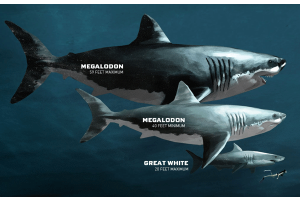
The Megalodon, whose name translates to “big tooth,” ruled Earth’s oceans roughly 23 to 3.6 million years ago during the Miocene and Pliocene epochs. Growing up to 60 feet long, this shark was not only massive in size but also unmatched in strength, with jaws powerful enough to crush whale bones. Fossilized teeth—some reaching more than seven inches long—are the primary remains through which scientists study
- - December 07, 2025
The ocean has always kept its secrets well. From the hush of the deep blue to the fossils hidden in ancient sands, every discovery reveals whispers of what once ruled the seas. Among these relics lies something so small yet so astonishing—a baby megalodon tooth. Though miniature compared to the adult’s formidable size, it carries an ancient story of beginnings, evolution, and oceanic dominance.
It’s fascinating to think that even the tiniest fossil fragment can hold echoes of creatures that once swam the waters millions of years ago. This isn’t merely a collector’s find—it’s a window into the prehistoric world.
Tracing the Origin of a Giant
Imagine holding a piece of history between your fingers, one that predates humans by millions of years. A megalodon, often hailed as the largest shark that ever existed, began its life much like any other creature—in miniature form. Its early teeth, more minor yet intricately detailed, hint at the massive predator it would become.
Every ridge, curve,
- - December 07, 2025
When powerful coastal storms strike the North Carolina shoreline, they do more than reshape beaches and shift sands. At our fossil collection and research center, we often witness how these natural forces can uncover remarkable fossils that have remained hidden for millions of years.
Among the most impressive of these discoveries are the fossilized teeth of ancient sharks, including the legendary Megalodon Tooth from North Carolina. Through erosion and wave activity, storms can expose deep layers of sediment where these prehistoric treasures lie buried, revealing traces of an oceanic world that once thrived along the coast.
The Geological Setting of North Carolina
The coastline and river systems of North Carolina are known for their fossil-rich formations that continue to yield fascinating discoveries. Several significant geological layers in the region can contain fossil shark teeth from ancient marine environments. These include the Eocene Castle Hayne Formation, the Miocene Pungo
- - December 07, 2025
Buyers often search for rare fossils that hold both value and authenticity. Among the most sought-after are fossilized teeth labeled as Otodus megalodon in the Copper Red Site. These teeth are not only visually stunning but also extremely limited in availability. Their signature copper tone and site-specific origin set them apart from other fossil finds. However, that appeal brings imitation and mislabeling into the picture. Before making a purchase, collectors must understand how to identify genuine items and avoid costly mistakes. This guide will walk you through everything you need to confirm before investing.
Recognizing the Value of Copper Red Site Fossils
The Copper Red Site refers to a known fossil-bearing location where the sediment composition creates a rich, copper-red color during the fossilization process. Over time, minerals within the soil bind to the enamel of fossilized shark teeth, giving them their distinctive reddish tone. This effect does not appear in all regions and
- - December 07, 2025
The Carcharocles megalodon is one of the largest and most powerful sharks that ever lived. Collectors around the world highly seek after fossil teeth from this giant shark. Among these, teeth found in Peru are considered some of the rarest and most valuable. But what makes the Carcharocles megalodon tooth from Peru so special? Let’s explore the features, history, and scientific value of these fascinating fossils.
The History of the Carcharocles Megalodon
The Carcharocles megalodon lived between 23 and 3.6 million years ago during the Miocene and Pliocene periods. This massive predator could grow up to 60 feet long, making it one of the most formidable creatures in the ocean. Fossil teeth from the Carcharocles megalodon give us a glimpse into this shark’s life and the prehistoric oceans it ruled.
Teeth found in Peru are especially unique. They often show excellent preservation, sharp serrations, and rich color. These features make them highly prized by collectors who want a genuine
- - December 07, 2025
Few things spark a child’s imagination like holding a piece of ancient history in their hands. Whether it’s a sparkling mineral or a fossilized shark tooth, these tangible links to the past make science come alive. That’s why discovering megalodon teeth for sale often feels like uncovering a secret treasure chest beneath the sea. As kids learn that these massive fossils once belonged to one of the largest predators that ever lived, curiosity takes over, and the ocean’s ancient mysteries start to unfold before their eyes.
The Prehistoric Superstar: Meet the Mighty Megalodon
Before dinosaurs captured the spotlight, the ocean had its own king—the Megalodon. This colossal shark ruled the seas during the Miocene and Pliocene epochs, millions of years ago. It could grow up to 60 feet long, roughly the size of a school bus, with teeth reaching over seven inches!
Kids are naturally drawn to the idea of giant creatures, and Megalodon ticks all the boxes: huge, powerful, and mysterious. When they
- - December 07, 2025
Millions of years ago, the ocean was not the tranquil blue expanse we know today. It was alive with thunderous movements and shadowy giants—predators so immense that even whales feared their presence. Among these rulers of the sea, none captured the imagination quite like the megalodon, an ancient shark that once dominated the waters with unmatched force. Fossil evidence discovered across various regions, including the deep turquoise waters of the Caribbean, continues to reveal stories buried beneath layers of time. Scientists and collectors alike remain captivated by these relics, particularly those associated with the Carcharocles megalodon, a name that evokes both mystery and grandeur.
These fossils aren’t merely remnants of bone and tooth—they’re fragments of history, echoes of creatures that shaped the ocean’s ecosystem long before humanity existed.
The Titan of the Deep: Nature’s Ultimate Predator
Imagine a predator stretching nearly 60 feet long, its jaw wide enough to swallow two
- - December 07, 2025
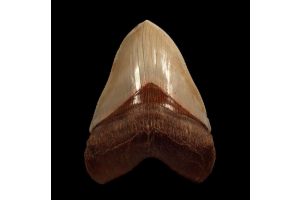
At our fossil collection, we take pride in offering specimens that capture the timeless beauty of Earth’s ancient past. Among them, the Otodus megalodon from Indonesia holds a special place. These remarkable fossils have fascinated us with their exceptional preservation, color, and structure.
Each specimen allows us to glimpse into a prehistoric world where colossal predators once ruled the oceans. Their natural artistry and geological perfection make them among the most captivating fossils we offer.
Geological Origin and Preservation
The story of Indonesian Otodus megalodon teeth begins deep within the limestone formations of West Java. These fossils are often recovered from the Bentang Formation, a geological layer that dates to the Middle Miocene epoch, around 10 to 15 million years ago. Within this limestone, the teeth have remained protected for millions of years, allowing them to retain their detailed structure and natural sheen.
Because these fossils were buried under stable