

When powerful coastal storms strike the North Carolina shoreline, they do more than reshape beaches and shift sands. At our fossil collection and research center, we often witness how these natural forces can uncover remarkable fossils that have remained hidden for millions of years.
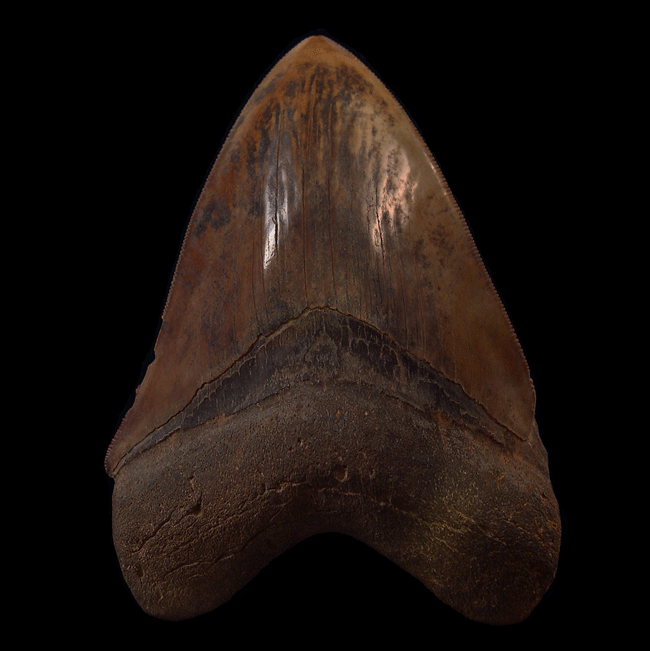
Among the most impressive of these discoveries are the fossilized teeth of ancient sharks, including the legendary Megalodon Tooth from North Carolina. Through erosion and wave activity, storms can expose deep layers of sediment where these prehistoric treasures lie buried, revealing traces of an oceanic world that once thrived along the coast.
The Geological Setting of North Carolina
The coastline and river systems of North Carolina are known for their fossil-rich formations that continue to yield fascinating discoveries. Several significant geological layers in the region can contain fossil shark teeth from ancient marine environments. These include the Eocene Castle Hayne Formation, the Miocene Pungo River Formation, and the Pliocene Yorktown Formation. Each of these layers represents a different period in the planet’s history, recording the presence of large marine predators that once dominated the waters.
Over time, sedimentation, compaction, and natural burial processes have covered these fossil layers. As new sediments settled over older ones, fossilized remains of sharks and other marine species became deeply embedded in the earth. Coastal erosion caused by storms and river activity can cut through these layers, exposing fossils that may have remained untouched for ages.
In the northeastern areas of the state, specific fossil sites are especially prized for producing rare copper-red colored shark teeth. These include species such as Megalodon, Angustidens, Auriculatus, Great White, and Mako. The unique reddish hue comes from mineralization processes within the sediments, giving the fossils distinctive coloration that collectors deeply value.
Rivers in this region occasionally yield these copper-red teeth, but they are found in minimal quantities. Their rarity continues to enhance both their scientific importance and collectible worth.
How Storms Reveal Ancient Layers
Coastal storms have immense power to reshape the environment through wind, rain, and wave activity. When strong waves crash against beaches or cliffs, they often strip away the top layers of sand and soil. As this happens, fossil-bearing strata that have been sealed away for millions of years can suddenly become visible.
As erosion deepens along riverbanks or coastal bluffs, these underlying layers may emerge, revealing fragments of fossilized material. Fossils loosened by wave or current movement can wash ashore, sometimes appearing after particularly intense weather events. The process may also transport fossils from inland river systems downstream toward the coast, increasing the likelihood of discoveries near the shoreline.
When the protective sediment layer is eroded, fossils such as shark teeth can be freed from their matrix and carried into areas where they are easier to spot. In North Carolina, this natural cycle helps bring new specimens to light, connecting modern observers with remnants of an ancient ecosystem that continues to fascinate researchers and collectors alike. It is during these conditions that a Megalodon Tooth Found in North Carolina often makes its remarkable appearance, glistening among the sands after a powerful storm.
Fossils Found in North Carolina
North Carolina has produced several remarkable examples of fossil shark teeth. Each specimen demonstrates the geological and environmental conditions that preserved it through time.
● Megalodon Teeth: Some large Megalodon specimens exceed six inches in length. Many display the rich copper-red enamel typical of the region. These teeth often retain complete roots, sharp serrations, and strong color contrast, showing how well they have been preserved.
● Otodus Angustidens: Fossils from this species are fully serrated, with excellent enamel and complete roots. Their reddish tones are a hallmark of the area’s fossilization process.
● Otodus Auriculatus: Early Eocene specimens found in the state exhibit fine serrations and well-preserved crowns.
● Mako and Great White Teeth: North Carolina also yields examples from several ancient shark species, each with distinctive shapes and details that reflect evolutionary changes within shark lineages.
The quality of these fossils is exceptional. Many retain natural gloss on the enamel and unbroken roots. The combination of color, preservation, and completeness continues to make them valuable among collectors and researchers.
Storm Exposure and Fossil Discovery
Erosion and storms play an essential role in revealing fossils that might otherwise remain unseen. High-energy coastal events act like natural excavation tools, stripping away surface material and opening new layers of sediment. After a storm, beaches and riverbanks may display freshly exposed fossils, allowing collectors to locate teeth that had been buried for thousands of years.
Even so, rivers known for these specimens often yield very few teeth. This scarcity emphasizes how extraordinary each discovery truly is. A single strong storm can reveal previously hidden treasures, though subsequent waves may carry them away again if they are not collected promptly.
Because copper-red Megalodon and Angustidens teeth are scarce, the occasional exposure of such fossils during erosion events adds significant scientific value. Each specimen provides evidence of ancient marine life and helps researchers understand species distribution and environmental conditions from millions of years ago.
The Rarity and Preservation of Copper-Red Teeth
The copper-red coloration of certain North Carolina shark teeth remains one of their most striking features. This color variation is rarer than teeth found in other well-known fossil localities such as Lee Creek, Peru, or Bone Valley. The Meherrin River site is particularly known for this hue, which develops through mineral absorption during fossilization.
Each tooth represents a convergence of geological time, mineral chemistry, and environmental stability. Some fossils exhibit sharp serrations and complete bourlettes (the band between the enamel and root), while others show signs of natural wear consistent with their age. Regardless of minor imperfections, their vivid color and preserved detail make them extraordinary examples of natural history.
The closure of the Lee Creek phosphate mine in Aurora, a site that once produced extensive fossil material, has made the North Carolina copper-red localities even more valuable. Fossil enthusiasts and paleontologists regard these finds as among the finest examples of their kind, with their preservation and coloration unmatched.
Conclusion
Coastal storms and erosion continue to shape the North Carolina shoreline while revealing traces of a prehistoric world. Beneath layers of sediment and clay lie fossils that record the presence of massive sharks such as the Megalodon. When powerful weather events strip away these layers, they sometimes uncover fossils that tell stories of ancient seas and extinct species.
The copper-red shark teeth found in this region, preserved in exceptional condition and rare in color, stand as a testament to the geological processes that shape both land and time. Each discovery unearthed after a storm provides a glimpse into a world millions of years old, reminding observers that the coastline holds more than beauty; it has history buried within its sands. As collectors often say, finding a Megalodon Tooth Found in North Carolina is like “holding a piece of ancient ocean in your hand,” a moment when time, tide, and discovery come together.






