Page 8 - Home Page Latest Post
- - December 07, 2025
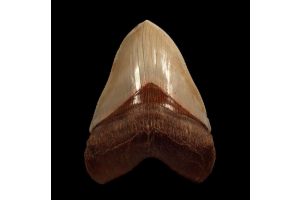
The ocean holds many secrets, but few are as captivating as the story of the megalodon. This massive prehistoric shark dominated the seas for millions of years, and its legacy continues to captivate imaginations. Among the most thrilling artifacts of this ancient predator is the megalodon tooth fossil—a relic that bridges the past and present in the palm of your hand.
But in a market filled with replicas, altered finds, and skillful fakes, how can you tell if what you're holding is authentic? The thrill of the hunt quickly fades when you realize your fossil may be something far less special. Fortunately, with a little patience and a trained eye, spotting the difference becomes easier than you think.
Let’s take a deeper look at the details that separate genuine from imitation—and help you walk away with confidence in your fossil finds.
What Does a Real Megalodon Tooth Look Like?
Megalodon teeth are anything but ordinary. Real ones can measure over 7 inches in length and have a triangular
- - December 07, 2025
Collectors often wonder why one Megalodon tooth sells for $200 while another demands $2,000. At first glance, they may look similar in photos. But look closer and you will see why the megalodon tooth price can change so dramatically. The truth sits in what each piece reveals about time, preservation, and nature’s patience. Every Meg tooth tells a personal story that affects its value. People who understand that story can make smarter buying choices and appreciate what they hold in their hands far more deeply.
Size and Shape Decide the Real Megalodon Tooth Price
Most people look at size first. A bigger tooth usually catches more attention, but size alone does not define worth. Collectors study proportion and structure before judging price. A six-inch tooth might seem impressive, yet if it appears narrow or uneven, it can cost less than a smaller one with perfect symmetry. Buyers prefer fossils that show balance and full-bodied shape. A well-proportioned five-inch tooth with a clean root
- - December 07, 2025
Have you ever come across a fossil online or at a store and thought, “Is this real?” If you’ve been thinking of buying a megalodon tooth fossil, that question is even more important. With their massive size and prehistoric charm, these shark teeth are some of the most fascinating fossils on the market today.
But here’s the truth: many are not real. So how do you know if the megalodon tooth fossil you’re eyeing is the real thing? In this blog, we’ll walk through easy, practical ways to tell the difference between an authentic fossil and a fake.
Let’s begin by understanding why these fossils are so special and valuable.
Why So Many People Want a Megalodon Tooth?
The megalodon tooth fossil is more than just a collector’s item. It’s a piece of prehistoric history. Megalodons were enormous sharks, believed to grow up to 60 feet long. Their teeth, often larger than a human hand, are the only parts of their bodies that fossilized well.
Owning one means holding a piece of Earth’s past. These
- - December 07, 2025
Imagine the deep blue stretching endlessly beneath you—a silent world, dark and unknowable. For millions of years, the ocean has kept secrets, and one of its most fascinating is the legend of the ancient giant shark that once ruled its depths: the Carcharocles megalodon. The thought of this colossal predator sparks both awe and curiosity. Could such a creature have truly disappeared forever, or do echoes of its existence still ripple through the waters?
This question has inspired scientists, fossil hunters, and ocean lovers alike to explore what remains of a species that once dominated Earth’s seas. From its jaw-dropping size to its mysterious extinction, the megalodon continues to capture the imagination of anyone drawn to the marvels of prehistoric life.
A Giant Beyond Comparison
If you think modern sharks are impressive, imagine a predator reaching up to sixty feet long—larger than most school buses. The Carcharocles megalodon was not only immense but remarkably efficient, equipped
- - December 07, 2025
Few places in the world capture the imagination of young fossil enthusiasts quite like Maryland’s Calvert Cliffs. Along these towering Miocene-aged cliffs, discoveries of ancient marine life tell stories of a prehistoric ocean that once teemed with life—and a predator that ruled them all: the Otodus megalodon from Calvert Cliffs. These colossal shark teeth not only excite collectors and budding scientists but also offer a powerful way to teach kids about change, adaptation, and the ever-evolving story of life on Earth.
Discovering History in Every Tooth
When children hold a fossilized shark tooth for the first time, they’re literally holding millions of years of natural history. At Calvert Cliffs, erosion reveals layer upon layer of marine fossils, from tiny fish vertebrae to whale bones—and, if you’re lucky, the legendary Megalodon tooth. Each specimen reveals something about the animals that lived, hunted, and adapted long before humans walked the Earth.
At Buried Treasure Fossils, we’re
- - December 07, 2025
Beneath the quiet blue of the ocean lies a world of forgotten stories—some whispered in coral canyons, others frozen in stone. Among the most awe-inspiring remnants of the prehistoric sea are the fossilized teeth of an ancient predator whose name still sends ripples through the scientific community: Otodus megalodon.
This creature may be long gone, but its shadow continues to loom large over marine history. These fossilized fragments don’t speak, yet they reveal volumes about one of the most dominant species ever to swim Earth’s oceans.
Let’s explore how these teeth help us piece together the life of a vanished giant.
A Predator Measured in Feet, Not Inches
Millions of years ago, a different ruler commanded the seas. With a body stretching up to 60 feet or more, this shark was larger than a school bus and had a bite that could crush a whale’s spine. While its skeleton—made of cartilage—left few traces, its teeth remain as nature’s evidence.
Unlike most shark species today, which boast
- - December 07, 2025
Collectors who search for a pathological megalodon tooth for sale are not after just another shark fossil. They want something different. Something with a story. A pathological tooth offers that. It comes with naturally formed irregularities that reflect stress, trauma, or abnormalities the shark experienced during its life. That is what separates these fossils from the rest. They are real, they are rare, and they are uniquely shaped by nature itself.
While some sellers misuse the term “megalodon," the truth is clear. The fossils available through this site come from Otodus obliquus, a powerful ancestor of the megalodon. These teeth originate from well-known Moroccan phosphate deposits that yield exceptional and verifiable pathological specimens. Buyers seeking authenticity and distinction often turn to these exact pieces for their fossil collections.
Understanding What Makes These Teeth Pathological
A fossil tooth earns the label "pathological" when its shape shows signs of abnormal
- - December 07, 2025
These ancient fossil deposits include megalodon tooth ledges that mark the very zones where megalodon activity once concentrated. These ancient formations mark the very zones where megalodon activity once concentrated. For fossil hunters, understanding what these ledges are and how they form leads to more successful discoveries. Instead of chasing isolated finds, collectors can follow patterns laid down by prehistoric behavior and geology. These ledges offer structure, consistency and context that scattered beach finds cannot provide. Knowing how to identify, study and explore these areas brings real results for those searching for megalodon teeth.
Many fossil hunters begin with excitement but quickly realize that scattered finds often offer no lasting success. Without a clear understanding of the signs to follow, time and energy are wasted. Tooth ledges provide an answer. These formations show where megalodons fed, moved, or lingered. Over time, their teeth settled in one place, and
- - December 07, 2025
At our fossil collection company, we take immense pride in presenting some of the most remarkable pieces of natural history, and among them, megalodon teeth continue to hold a special place. As collectors, researchers, and enthusiasts, we have seen how these extraordinary fossils captivate people worldwide. The fascination lies not only in their enormous size and rarity but also in the incredible history each tooth carries.
Over the years, megalodon teeth have become more than collectible fossils; they are tangible connections to one of the ocean’s most dominant predators and a symbol of prehistoric power and beauty. Understanding the value of megalodon tooth adds depth to this fascination, as it reflects both the rarity and historical significance of these ancient relics.
A Window into Prehistoric Power
Megalodon teeth provide a direct connection to an ancient world dominated by a giant shark that once ruled the seas. These fossils are physical reminders of a species that inspired awe
- - December 07, 2025
Collectors spend years searching for the right piece. When you finally come across a 7-inch megalodon tooth for sale, it feels like a once‑in‑a‑lifetime moment. These teeth represent a creature that ruled prehistoric oceans, and every inch tells a story of power and survival. Yet, the larger the tooth, the higher the risk of replicas, touch-ups, and over-polishing. That makes authenticity a serious concern. This checklist helps you distinguish genuine fossils from altered ones, providing insight into selecting a genuine specimen that earns its place in your collection.
Understand What Makes Size Matter
Size defines rarity. Very few Megalodon teeth reach seven inches. Most authentic examples fall between six and six and a half inches. When you find a tooth claiming to hit or exceed that mark, verify how the seller measured it. Measure from the tip to the longest corner of the root. That diagonal line gives the actual size. Avoid sellers who round up or estimate. Accurate measurement reflects