Page 2 - Home Page Latest Post
- - December 08, 2025
Not every fossil holds the same weight, but a well-preserved megalodon tooth from North Carolina offers more than just a glimpse into prehistoric life. It provides a tangible connection to an apex predator that once ruled ancient seas. Still, not all megalodon teeth meet the standards collectors expect. When you learn how to tell a high-grade specimen apart from the rest, you avoid settling for less and gain a fossil with lasting significance. This guide walks through the key traits that set premium-quality teeth apart, using only the insights found on our fossil listing page.
What Defines a High Grade Megalodon Tooth From North Carolina?
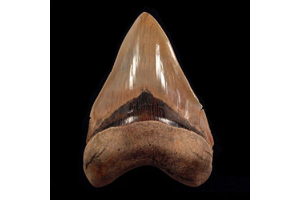
A high-grade fossil tooth tells its story through preservation, color, shape, and completeness. We only label a specimen as top quality when it checks all those boxes. You should expect excellent enamel conservation. That surface should remain strong, smooth, and unflaked. The root must also remain whole and undamaged, not broken or artificially filled.
- - December 08, 2025
Have you ever wondered what it would be like to face a predator that ruled the oceans millions of years ago? One that could grow longer than a school bus and had teeth sharp enough to bite through almost anything? The discovery of the biggest megalodon tooth ever found brings this ancient giant closer to reality and gives us a rare glimpse into a time when massive predators ruled the seas.
A Discovery That Shakes the Fossil World
The biggest megalodon tooth ever found was uncovered in the rugged coastal regions of Chile. This fossil amazed scientists and collectors alike because of its enormous size and excellent preservation. Each curve and serration on the tooth tells a story about the life of the Megalodon, a shark so powerful it could dominate entire marine ecosystems.
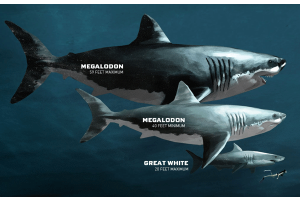
Researchers believe that this tooth belonged to a shark that might have been over 50 feet long. The discovery is not only exciting for paleontologists but also for anyone curious about the giants that once swam our
- - December 08, 2025
Experienced fossil collectors know that location drives value. When it comes to Megalodon teeth, North Carolina continues to stand out for its rare geological profile, consistent fossil preservation, and distinct coloration. Collectors don’t settle for vague listings or generic origins. They seek fossils with proven context and traceable details. That’s why many start their search for a megalodon tooth in North Carolina. The riverbeds and marine deposits in this region deliver specimens that carry scientific weight and long-term collector value.
Why Do Megalodon Teeth from North Carolina Stand Apart?
Not all Megalodon teeth offer the same traits. The ones sourced from North Carolina show better preservation, more substantial mineralization, and most importantly, traceable recovery. This region produces fossil layers from both the Miocene and Pliocene periods. These include the Pungo River Formation and the Yorktown Formation, both of which are known for their dense fossil beds and rich
- - December 08, 2025
In our work, we take pride in providing collectors and enthusiasts with genuine pieces of history. When we make authentic fossils available, it allows us to share something truly extraordinary. A real claw is not only a fascinating object but also a preserved link to the ancient world. Our specimens come with authenticity guaranteed, and they are collected responsibly from private lands in the northwestern United States.
That assurance can give confidence to those who want to build a collection rooted in both accuracy and integrity. For those seeking a velociraptor claw for sale, authenticity remains the key attraction.
Relics from a Prehistoric Predator
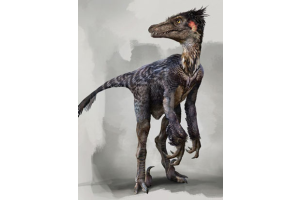
Dromaeosaur dinosaurs, close relatives of the well-known velociraptors, were remarkable predators of the Late Cretaceous. They were under two meters long, weighed about 15 kilograms, and could move with speed and precision. Their anatomy included serrated teeth and a curved claw on each foot, which was designed for gripping and slashing
- - December 08, 2025
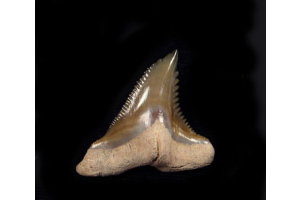
Collectors often notice something puzzling when browsing for shark teeth. Two specimens can come from the same shark species, yet look completely different and carry very different price tags. These variations are especially common with the snaggletooth shark tooth, known for its bold curves and serrated edges. Shape and price do not always follow predictable rules, which can lead to confusion for both new and experienced buyers. This guide explains how visible differences in these fossils directly affect their value, appeal, and placement in any collection.
What Affects the Price of a Snaggletooth Shark Tooth?
The tooth of the snaggletooth shark stands out because of its varied appearance. Some fossils display a broad curve, while others look more vertical and narrow. The curved specimens usually offer more visual interest and often appear more aggressive in form. Others may show cleaner lines or a more symmetrical shape. These visual traits matter to collectors who prefer bold features
- - December 08, 2025
A megalodon shark tooth is more than “just a fossil.” It is a real piece of ocean history that has survived for millions of years. When you bring one home, your job is to keep it safe, clean, and stable so it can last many years in your collection. Many collectors buy from trusted fossil dealers that offer authentic megalodon shark teeth for sale, and proper care helps protect that investment.
Clean Your Tooth With Gentle Methods
Start with the safest cleaning method: plain, lukewarm water. Rinse the megalodon shark tooth under a slow stream to remove loose sand and dirt. Use your fingers or a very soft toothbrush to reach small grooves. Brush lightly so you do not scratch the enamel or chip the edges.
If there is stubborn mud, you can soak the tooth in fresh water for a few hours or overnight. Some guides suggest a very mild soap solution for hard deposits, but always test on a small area first and rinse well after. Never use bleach, vinegar, or other acids; they can slowly eat away
- - December 08, 2025
Real Megalodon teeth have become prized fossils that connect collectors with a marine predator that once ruled ancient oceans. These teeth are no longer just geological artifacts. They carry value, legacy, and unmistakable natural detail that cannot be replicated in a factory or duplicated with resin. Those who search for a real megalodon tooth for sale are not just shopping for a relic. They are choosing history, preservation, and trust. The challenge is no longer about availability. The challenge lies in knowing where to look, who to trust, and how to distinguish the real from the artificially produced.
Let’s explore more detailed information:
Recognizing Authenticity Through Geological Markers
When a Megalodon tooth is unearthed from sediment-rich marine deposits, its physical properties speak louder than any certificate. Actual specimens exhibit distinct features, such as phosphate coloration, enamel layering, and well-formed serrations, which are shaped by the passage of time. The
- - December 08, 2025
Fossil collectors often ask what separates an ordinary Megalodon tooth from a truly exceptional specimen. The answer becomes clear once you explore the biggest megalodon tooth. Measuring over seven inches, this rare fossil boasts impressive dimensions. It teaches serious collectors how size, condition, and origin influence value and reveal essential facts about prehistoric marine life. While casual buyers may only consider size, experienced collectors know that real value lies in the details that surround a find of this scale.
Does the Biggest Megalodon Tooth Truly Define Its Value?
Most Megalodon teeth that appear on the fossil market fall between four and five inches in length. These sizes represent common finds and often serve as entry points for new collectors. However, when a tooth exceeds six inches, it moves into the category of rare specimens. If that length surpasses seven inches, it earns attention across the fossil-collecting community.
The tooth then becomes more than a curiosity.
- - December 08, 2025
If you love fossils, finding a Megalodon tooth can be an exciting adventure. These giant teeth come from one of the biggest predators in history, and owning one is like holding a piece of the past. Collectors and fossil enthusiasts around the world are fascinated by these prehistoric treasures. With the right locations and guidance, anyone can increase their chances of finding a genuine Megalodon tooth.
Hunting for fossils is not just about luck. Understanding where to search and what to look for makes a big difference. Some spots in the U.S. are known for yielding impressive finds, and exploring them can make your fossil hunt both fun and rewarding.
Why Megalodon Teeth Are So Special?
Megalodon teeth are rare and powerful symbols of history. Each tooth tells a story of an ancient ocean predator that ruled millions of years ago. Many people enjoy the challenge and thrill of finding a Megalodon tooth. It is not just collecting; it is discovering history first-hand.
For beginners, the
- - December 08, 2025
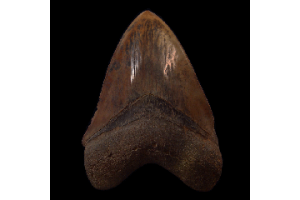
For fossil collectors and young science enthusiasts alike, few sights capture attention quite like the gleaming reddish hue of prehistoric shark teeth pulled from the ancient riverbeds of North Carolina. Within the first sixty words, it’s impossible not to highlight the otodus megalodon in copper red site, one of the rarest and most visually stunning fossil discoveries ever documented. These teeth, often emerging in brilliant shades of copper, brick, and crimson, tell a fascinating story written not just in prehistoric biology but also in Earth’s deep geochemical memory.
A Giant of the Ancient Seas
Before diving into what makes the red coloration so remarkable, it helps to remember the colossal creature behind these fossils. The Otodus megalodon was the undisputed apex predator of the Miocene and Pliocene epochs—roughly 20 to 3 million years ago. Stretching up to 60 feet long, it was a powerhouse of evolution, equipped with serrated triangular teeth capable of slicing through whale bone