Page 100 - Home Page Latest Post
- - September 15, 2025
The story of a megalodon tooth begins in the darkness of ancient seas and continues into the glow of modern computer screens. At our platform, we help bring these fossilized treasures from the depths of time into the hands of collectors, researchers, and enthusiasts.
Through us, the journey becomes one that connects the mystery of prehistory with the excitement of modern discovery. From field sites to digital storefronts like Megalodon Tooth on eBay, these fossils are finding new life in the modern age.
When Myth Met Science
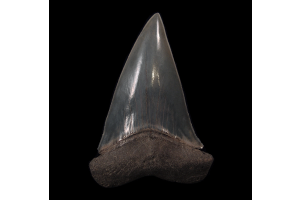
For centuries, people puzzled over these triangular relics. Were they dragon tongues, pieces of moon rock, or something else entirely? It wasn’t until the 1600s that scholars finally recognized them as shark teeth. Today, the megalodon tooth stands as one of the most iconic fossils, instantly recognizable for its serrated edges and imposing size.
These teeth survived when the rest of the shark’s skeleton vanished. Through the slow process of petrification, they transformed
- - September 15, 2025
When we hold two shark teeth in our hands, one fossilized and ancient, the other sleek and modern, we are not simply examining pieces of biology. We are holding chapters of ocean history. One tooth belongs to the mighty megalodon, a predator that once dominated prehistoric seas but has long vanished. The other belongs to the great white shark, a living predator still patrolling today’s oceans.
Through these remarkable teeth, we can uncover two very different narratives: one of extinction, the other of endurance. Our fascination with these teeth allows us to connect with both a vanished past and a vibrant present, and it brings to life the timeless comparison of megalodon vs great white tooth.
Teeth of Titans: The Colossal Legacy of the Megalodon
The megalodon is often remembered as one of the largest predators ever to exist, and its teeth give us a clear picture of why. These teeth are massive, wide, and built for sheer power. They were designed to crush through bone and tear into enormous
- - September 14, 2025
Megalodon teeth are more than ancient fossils—they’re pieces of prehistory that spark awe the moment you see them. The sheer size and sharp details leave people amazed, almost as if they’re holding a relic from a shark that once ruled the seas. For collectors, that fascination often carries a steep price, sometimes reaching thousands of dollars. And when it comes to the most expensive megalodon tooth in Texas, or anywhere else, the value comes down to specific features that set one fossil apart from another.
Let’s explore what makes certain teeth command such extraordinary value.
Size: The First Factor Everyone Notices
When discussing value, size is often the first thing collectors and enthusiasts mention. The largest megalodon teeth can exceed seven inches in length, a scale that instantly demands attention. To put that in perspective, a seven-inch tooth came from a shark estimated to be over sixty feet long—bigger than a school bus. It’s no wonder that larger specimens fetch higher
- - September 14, 2025
The megalodon has long sparked curiosity and awe. For centuries, fossilized teeth of this extinct giant shark have fascinated collectors, scientists, and ocean enthusiasts. Since teeth are often the only remains left behind, they’ve become the key to measuring the scale of this prehistoric predator. Naturally, size takes center stage—and so do the myths. Many still wonder: how big was the megalodon tooth? Exploring the facts helps reveal what makes these fossils extraordinary, why they’re prized treasures, and how to separate legend from reality.
Let’s explore what science and fossil evidence really tell us.
Myths About Megalodon Tooth Size
Stories about megalodon teeth have circulated for centuries. Ancient cultures often mistook them for "dragon tongues" or relics from mythical sea monsters. Over time, sensational accounts began exaggerating their size, sometimes claiming they reached a foot and a half long. These tales fueled the image of the megalodon as an almost supernatural predator,
- - September 14, 2025
There’s something undeniably magnetic about the hunt for fossils—especially those belonging to the most formidable shark to ever roam the ocean: the Megalodon. These prehistoric giants left behind teeth that have become prized relics for divers, collectors, and scientists alike. We’re talking about treasures forged by time, discovered through persistence, and celebrated for their rarity, size, and historical significance. Whether you're drawn to the thrill of diving for megalodon teeth in Florida or fascinated by the evolutionary past of marine predators, there's no denying the allure.
Let’s explore what makes Megalodon teeth more than just fossils—and why divers keep coming back for more.
The Adventure Begins Beneath the Surface
Scouring the ocean floor for Megalodon teeth isn’t your average Sunday hobby—it’s an immersive journey. Divers who seek out these marine fossils do so with a sense of adventure that combines exploration, patience, and a thirst for discovery. Every trip beneath
- - September 14, 2025
Megalodon teeth are among the most remarkable fossils ever found, representing both history and mystery for collectors. These remnants of one of the ocean’s greatest predators continue to inspire awe, but they also raise an important question: are they legal to collect and sell? Beyond curiosity, this touches on ethics, rules, and proper etiquette in fossil collecting. When considering where to find megalodon teeth in Texas—or anywhere else—it’s not just about discovery, but also about handling those discoveries responsibly and within the boundaries of the law.
Let’s explore this intricate balance between passion, legality, and respect for fossils.
Why Megalodon Teeth Capture Attention
Megalodon teeth are more than just collector’s items. They embody a direct connection to an apex predator that once dominated the seas. Their sheer size, ranging from small fragments to massive six-inch teeth, makes them both striking and highly desirable. Collectors often see them as treasures, but behind
- - September 14, 2025
Megalodon teeth hold a powerful allure for fossil collectors, but few sites capture the fascination of enthusiasts like Lee Creek in North Carolina. These fossils are not just remnants of a prehistoric predator—they are rare treasures marked by distinctive features and highly coveted worldwide. As collectors, we know the thrill of holding a genuine Lee Creek Megalodon tooth in hand, admiring its preservation, its size, and the colors shaped by millions of years beneath ancient seas. These pieces are a testament to both history and exclusivity, which makes them indispensable to any serious collection.
Let’s explore what makes them so unique and how to evaluate an authentic specimen.
The Legacy of Lee Creek Fossils
Lee Creek, once an active phosphate mine in Aurora, North Carolina, is renowned for producing some of the finest Megalodon teeth ever discovered. The mine’s layers, representing Miocene and Pliocene deposits, were rich with marine fossils, giving collectors access to an extraordinary
Florida Man Finds Megalodon Tooth… You Can Too! A Fossil Hunter’s Guide to Striking Prehistoric Gold
- September 14, 2025Imagine stumbling upon a giant prehistoric shark tooth while taking a casual stroll in Florida. Sounds like a tall tale, right? Well, “Florida Man” isn’t the only one who can brag about such a find. You too can join the ranks of fossil hunters who have uncovered these ancient treasures. The secret lies in knowing where to find megalodon teeth in Florida, and more importantly, how to spot these giant relics. Ready to dive into the exciting world of fossil hunting? Let’s explore how you can become the next lucky finder and strike some prehistoric gold.
If you’ve ever wondered about where to find megalodon teeth in Florida, you’re not alone. These massive fossilized teeth belong to the prehistoric Megalodon shark, once the fiercest predator to roam the seas. Florida, with its unique geological makeup, offers some of the richest spots to unearth these treasures. Let’s explore the best places and tips that will help you discover your very own Megalodon tooth and join the fossil-hunting fun.
- - September 14, 2025
Collectors often dream of holding a piece of prehistory in their hands, and nothing captures that thrill more than a fossilized shark tooth. Among the most sought-after treasures are those rare finds like a Megalodon tooth in Peru, prized for their coloration, preservation, and scientific significance. Yet in today’s market, it’s important to understand the difference between authentic, unaltered fossils and restored or repaired specimens. At Buried Treasure Fossils, we are dedicated to helping collectors—whether seasoned experts or curious beginners—make informed, confident purchases.
Why Peruvian Megalodon Teeth Are Special
Megalodon teeth discovered in Peru, particularly from formations such as the Miocene Ocucate and the Pliocene Pisco, are highly distinctive. Their unique coloration—often shades of tan, gold, or chocolate brown—combined with excellent preservation makes them especially appealing. Unlike teeth from other regions, Peruvian specimens often retain sharp serrations and
- - September 14, 2025
People who collect fossils often carry a deep respect for the Earth’s history. That respect comes from the moment they hold something ancient and real in their hands. Megalodon teeth offer that experience like few other fossils can. They give you more than a display piece. They offer scale, power, and a direct connection to an extinct predator that once ruled the seas. When someone searches for the best place to find megalodon teeth in Florida, they are not just looking for a location. They are seeking something unforgettable to add to their collection.
Let’s explore more detailed information:
Florida Still Offers the Real Thing Beneath the Surface
Florida continues to surprise people with what it hides in its rivers and quarries. Peace River remains a favorite among fossil hunters. Shallow waters and gravel-rich beds provide collectors with direct access to prehistoric layers that contain thousands of years of marine life. People walk into the river with sifters and hope. Some leave with