

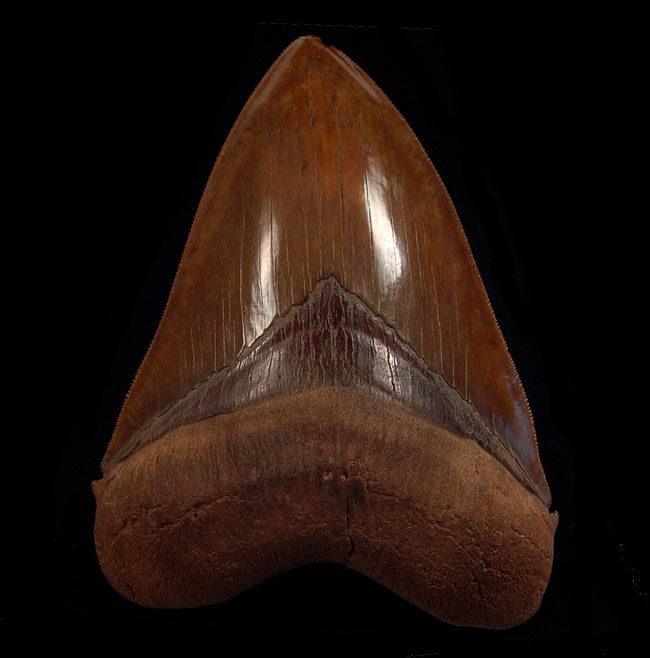
The Megalodon, a prehistoric giant shark, is recognized as one of the most formidable marine predators in history. Known for its massive size, estimated at up to 60 feet in length, this species thrived during the Miocene and Pliocene epochs. Its fossilized teeth, sometimes exceeding six inches, remain the primary link to understanding its life, feeding patterns, and eventual disappearance.
We are proud to offer access to remarkable specimens that allow us to share our passion for paleontology and provide collectors with rare opportunities to own extraordinary pieces of history. The possibility of uncovering the youngest megalodon tooth found, a specimen formed during the species’ final years, could help us reshape scientific perspectives on when this apex predator truly vanished.
The fossil evidence currently available has allowed researchers to estimate extinction periods, but a new discovery from a later than expected era could cause significant changes to established timelines.
The Megalodon Legacy in Fossil Form
The Megalodon’s existence has been recorded through a broad fossil record. These teeth have been recovered from sites in North Carolina, South Carolina, Georgia, Florida, Sharktooth Hill in California, Peru, and Chile. Each location can produce specimens with unique preservation qualities and colors shaped by the surrounding geology, making every find distinctive.
High-quality teeth, especially those measuring over five inches, have become increasingly rare. Specimens exceeding six inches are exceptional and can command interest from collectors and researchers alike. The combination of rarity, condition, and geological context ensures these fossils remain valuable for both display and scientific purposes.
Why Tooth Age Matters in Extinction Studies
Extinction estimates often rely on the youngest known fossils. For the Megalodon, fossilized teeth act as chronological markers. The age of each specimen can be determined by studying the geological layers in which it was found.
A tooth recovered from younger sediment than previously recorded would indicate that the Megalodon survived longer than currently believed. Such a find could prompt scientists to reconsider their interpretations of marine environments during the Pliocene epoch.
The Search for Younger Specimens
The search for younger Megalodon teeth is carried out across diverse fossil-rich environments. Locations in the southeastern United States, along with other sites worldwide, continue to produce teeth in a range of sizes and conditions. Beaches, riverbeds, and exposed fossil deposits are all areas where remarkable finds have been made.
Accurately dating a find requires a clear geological context. Without this, it becomes difficult to confirm whether a tooth truly represents a later survival period.
The Role of Preservation in Scientific Value
The condition of a Megalodon tooth can significantly influence its scientific value. Teeth that retain intact enamel, sharp serrations, and minimal erosion allow for more precise examination of wear patterns and growth structures. These details can help researchers estimate the shark’s age at the time of death and understand its feeding behavior.
If a younger specimen is found in exceptional condition, it could offer new insights into the species’ final evolutionary adaptations before extinction. If recovered from younger geological layers, it could directly challenge current extinction timelines.
Collectors and the Intersection with Science
Megalodon teeth have long been highly sought-after fossils. While many specimens are part of private collections, collaboration between collectors and researchers has sometimes led to significant paleontological discoveries.
If a tooth were to represent a later survival period, accurate documentation of its location and geological details would be vital. This information increases both its scientific and historical importance.
Ethical and Responsible Fossil Hunting
Any important Megalodon tooth discovery benefits from careful collection methods. Collectors should take steps to avoid damaging the specimen during recovery, preserve it in optimal conditions, and record the exact find location.
Keeping the tooth away from sunlight and in a dust-free environment can help maintain its enamel integrity. For specimens with possible scientific importance, safeguarding both the fossil and its discovery data is critical.
How a Single Tooth Could Reshape the Timeline
A tooth discovered in a younger geological layer than current records support could do more than adjust extinction dates. It could indicate that the Megalodon lived alongside different marine species than previously believed, leading to new interpretations of ancient ecosystems, predator-prey relationships, and environmental changes in prehistoric oceans.
If the known survival period were extended, it could also cause researchers to rethink the factors contributing to the species’ disappearance, whether related to climate change, shifts in prey availability, or ecological competition.
From Ongoing Search to Groundbreaking Find
While the discovery of the youngest Megalodon tooth has not yet been confirmed, exploration of fossil-rich sites continues across the globe. Every new specimen from coastal cliffs, riverbeds, or ancient seabeds can add to our understanding of this prehistoric predator.
Collectors, researchers, and fossil enthusiasts remain committed to preserving these remains of ancient life. Whether displayed in museums or private collections, each tooth offers a tangible connection to one of the most powerful creatures ever to inhabit Earth’s oceans.
Conclusion
The unearthing of the youngest Megalodon tooth could transform the understanding of when this massive shark truly disappeared. By determining the geological age of such a specimen, scientists could refine extinction estimates and provide a clearer view of marine life transitions millions of years ago. In addition to its scientific significance, such a rare discovery would likely influence the megalodon tooth price, as historical importance and rarity would heighten collector interest. Until that moment arrives, the fascination with Megalodon teeth will continue to inspire exploration, preservation, and the pursuit of knowledge about Earth’s prehistoric oceans.






