

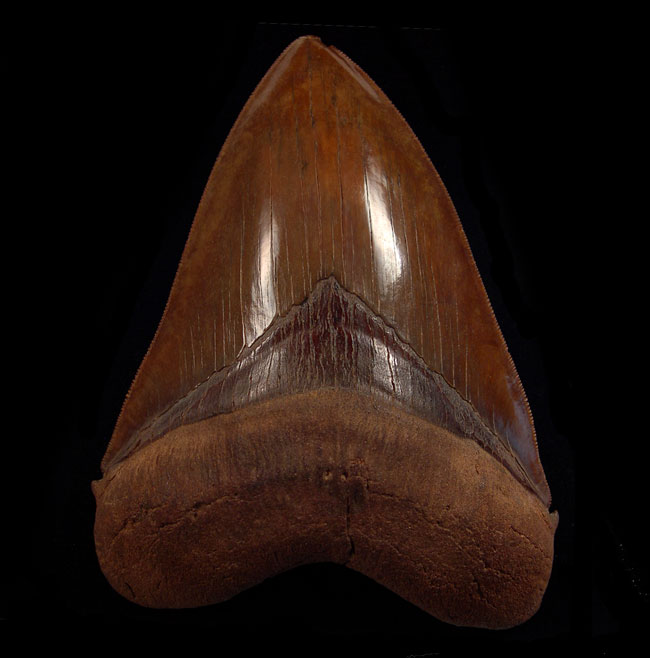
Collectors feel drawn to megalodon teeth for good reason. These fossils contain millions of years of history in a single, solid form. As demand grows, so does the number of fakes. That’s why buyers now take time to learn how to tell if a megalodon tooth is real. With the proper steps, anyone can learn to distinguish a genuine fossil from a fake. You don’t need lab tests or expert gear. You just need a trained eye, a curious mind, and a few hands-on checks. Let’s walk through what matters and how to trust what you hold.
Let’s explore more detailed information:
Focus First on the Shape and Blade
A real megalodon tooth stands strong with a wide, triangular shape. The edges taper naturally to a point. You will see slight unevenness, not perfect symmetry. That’s how nature works. The blade often exhibits tiny chips or worn spots, particularly along its edges. Replicas usually try to look flawless. They fail to capture the real damage that time causes. Always feel the blade gently. Your finger should catch on small ridges or tiny cuts. A fake will feel smooth, almost like a piece of plastic. Trust the natural lines and textures of the fossil.
Use Texture and Color to Check the Surface
Real fossils feel rough and uneven. You may notice small pits, thin cracks, or changes in color from one area to another. Time and pressure leave clear marks. A genuine fossil won’t shine like glass. It may hold a soft sheen, but never a factory finish. Most real teeth exhibit colors such as brown, gray, or dark blue. That comes from the minerals in the ground where the tooth rested. Replicas often use paint to fake that look. If the color feels flat or too even, step back and take a closer look.
Check the Weight and Density by Hand
Real megalodon teeth carry serious weight. Pick one up and you’ll notice it. Fossilization replaces organic matter with minerals. That process makes the tooth feel dense and solid. You can compare a few pieces of similar size. The real one will feel heavier. Additionally, try gently tapping the tooth against your knuckle. Real teeth give off a solid, stone-like sound. Fake ones made from resin or plaster feel hollow or light. Let your hand guide your thinking. Trust the feel and sound. They speak louder than photos ever can.
Spot the Bourlette with a Careful Eye
The bourlette sits between the crown and the root. On a real tooth, this band stands out with its color and texture. It usually looks darker than the blade and often shows signs of wear. That band holds key information. You’ll notice that in a real tooth, the bourlette blends naturally with the root. Fake ones often feature a painted line or attempt to mimic the look too closely. Take time with this part. The bourlette doesn’t lie. It helps confirm whether the crown and root grew as one or got glued together later.
Feel the Serrations for Sharp History
Megalodon teeth had serrated edges, like knives built for slicing through prey. Many real fossils still carry those tiny teeth along the edges. They might feel worn, but still catch your skin if you move slowly. Take time to check both sides. Replicas often miss this detail or apply it with molds that create uniform patterns. Nature doesn’t have a uniform. Each serration should feel slightly different. These ridges give the tooth its function and help you spot the difference. Keep your touch light and controlled. Let your skin read what your eyes might miss.
Avoid Repaired or Mixed Pieces
Some sellers try to patch together broken fossils. They might attach a real root to a fake crown or vice versa. Learning how to tell if a megalodon tooth is real helps you spot these tricks fast. You can catch them with a close look. Check for lines, seams, or sudden color shifts. Feel for changes in texture. If one part feels natural and the other feels smooth or fake, then it's likely that someone built it in pieces. Authentic fossils may carry chips or cracks, but they show those flaws honestly. Watch for over-smooth areas or filled gaps. Real teeth do not need perfect repairs to tell a whole story.
Ask About the Source and Context
Real fossils come from real places. Areas such as coastal riverbeds, fossil-rich sand pits, or ancient seafloors often yield good specimens. Sellers with experience know where the tooth came from. Ask clear questions. If someone avoids giving details or claims they found it “somewhere,” you need to think twice. Teeth without background usually carry more risk. Trust sellers who share specific information, not vague stories. That context builds trust. Fossils with history offer more than value. They bring connection to the earth, the age, and the creature itself.
Use Basic Tools for a Personal Check
You don’t need fancy equipment. An intense light, a good camera, and your own hands work best. Zoom in on close-up photos of buying online. At home, inspect the tooth under a lamp. Use a magnifying lens if you have one. Feel every inch. Weigh the tooth in your hand. Compare it with others of the same size. Ask someone with more experience if you still feel unsure. Join fossil groups, online forums, or shows where you can handle real teeth. That practice sharpens your eyes and builds your confidence.
Learn Over Time and Build Judgment
The more you look, the better you see. Real fossils start to show patterns that you recognize with time. Texture, color, serration, weight—all of it forms a mental checklist. Trust that process. The more real teeth you touch, the easier it gets to notice fakes. This kind of knowledge builds slowly but stays with you. Never rush your purchase. Spend time studying. Keep notes. Take photos. Talk with collectors who value real fossils. Every tooth teaches you something new. That learning turns collecting into something more profound than just owning an object.
Final Thoughts
You now know how to tell if a megalodon tooth is real by checking the shape, texture, color, weight, bourlette, and serrations. Always trust your hands and your eyes more than a seller’s words. Let the fossil speak through its surface, flaws, and form. Avoid rushing. Avoid shiny promises. A real tooth won’t always look perfect, but it will feel alive in a quiet way. You hold more than a fossil. You have time, power, and mystery. When that connection feels real, you can trust the tooth. It conveys the truth without a single word.
Footnote
Real megalodon teeth are characterized by age, weight, and detail. Avoid perfect shine, low weight, or fake roots. Let your hand feel the truth and let your instincts sharpen over time.






