

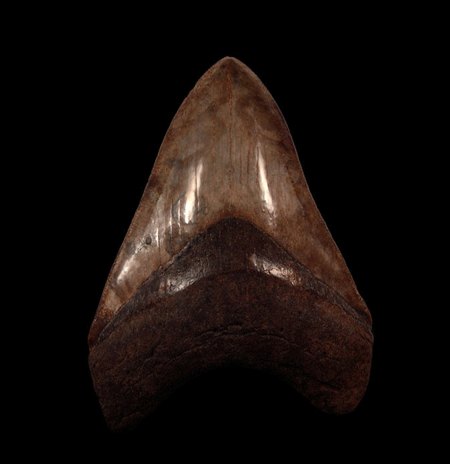
The megalodon—an awe-inspiring apex predator that once ruled Earth’s oceans—continues to stir curiosity and admiration. Its massive, serrated teeth have become synonymous with the power and dominance of ancient marine life. Yet, what truly deepens our understanding of this ancient titan isn’t just the teeth themselves—it’s the hidden story preserved beneath the ocean floor. As marine explorers and science advocates, we find ourselves drawn to what lies beyond the obvious.
We must spotlight a fascinating discovery: megalodon tooth ledges. These undersea geological formations represent one of the most promising yet underexplored pathways to decoding the behaviors, diets, and habitats of these legendary predators. They are not merely rock shelves—they are blueprints of ancient marine life, frozen in time and sediment.
Understanding the Enigma Beneath the Surface
We see these ledges as more than fossil caches; they are dynamic geological narratives. Formed over millions of years through deposition, ledges serve as ancient archives of shark activity and oceanic conditions. Unlike isolated fossil finds, these formations hold clusters of teeth and marine remains, offering a consistent, data-rich context for researchers like us.
With each ledge we study, we peel back the layers of history, uncovering chapters of marine life that would otherwise remain untold. These aren’t scattered relics—they’re carefully layered stories told through rock, teeth, and time.
How These Ledges Formed: Natural Precision at Work
The creation of these fossil-rich ledges was far from accidental. Ocean currents, tectonic shifts, and sediment layering, combined over epochs, created formations where marine debris—including megalodon teeth—settled, accumulated, and fossilized. These ledges are often composed of limestone and phosphatic rock, both of which are ideal for preserving biological material.
We marvel at how these layers preserve not only teeth but also much more. Embedded within are shells, bones, and microfossils, each contributing another line to the ancient story we’re working to tell. When we examine these formations, we’re not just studying stone—we’re connecting with Earth’s deep past.
A Scientific Treasure Chest
To us and fellow researchers, ledges are the ultimate treasure chests of paleontology. The density of teeth and fossilized remains provides an unmatched opportunity to study tooth morphology, wear patterns, and fossil distribution—all of which inform us about population sizes, behaviors, and migration routes of the megalodon.
We utilize these insights to construct timelines, trace evolutionary paths, and comprehend how apex predators have shaped their ecosystems. The consistency and quantity of finds within a single ledge enable us to conduct comparative studies that would be otherwise impossible with isolated fossils.
Reconstructing Prehistoric Ecosystems
Our work doesn’t stop with the megalodon itself. These ledges contain fossils from a wide range of marine species—whales, fish, mollusks, and coral—offering a vibrant glimpse into the prehistoric oceanic food chain. When we analyze these ecosystems, we see how the megalodon fits into a complex web of life, both as a predator and as part of broader evolutionary pressures.
Through these formations, we get a clearer picture of the Miocene and Pliocene seas—how diverse, rich, and interactive they were. It’s an opportunity to learn not just about what was lost, but also about the patterns that may be recurring in modern marine environments.
Behavioral and Dietary Clues Locked in Stone
We have found that megalodon tooth ledges help answer one of our most pressing questions: how did megalodons live? By examining wear patterns, we can identify how often the sharks bit into bone, which suggests their preferred prey. Occasionally, we even uncover tooth marks on other fossils, showing exactly how these predators hunted.
By studying the placement and preservation of these remains, we also uncover clues about mating grounds, feeding zones, and possibly even social behavior. For us, every detail brings us closer to understanding the daily life of this giant.
A Record of Oceanographic Shifts
While we’re drawn to these ledges for their biological insights, we also recognize their geological value. Sedimentary layers in megalodon tooth record chemical signatures, microfossils, and mineral patterns that act as climate indicators. By reading these layers, we can determine ancient ocean temperatures, currents, and salinity levels.
Our studies extend far beyond sharks—we’re reconstructing ancient oceanographic conditions that have shaped today’s marine landscapes. These findings help us understand not only the past, but potential future changes in global marine ecosystems.
The Challenges We Face
Despite the rich potential, our exploration of ledges isn’t without obstacles. Many of these formations lie deep below the surface, sometimes thousands of feet underwater, accessible only through remotely operated vehicles and advanced submersibles.
We recognize the growing threat of theft and uncontrolled fossil gathering. As more individuals come to understand the significance of these formations, we must intensify our efforts to advocate for their protection and preservation. Thus, at Buried Treasure Fossils, we prioritize responsible fossil collection and scientific conservation, ensuring that genuine specimens are ethically obtained and accessible for educational and appreciation purposes.
Recent Breakthroughs and Future Possibilities
In recent years, expeditions have led to the discovery of some of the most complete and pristine megalodon teeth ever found. Entire ledges have been mapped and preserved, allowing for long-term study and data collection. We’re optimistic about what lies ahead.
New technology is giving us the tools to reach greater depths and capture higher-resolution data. We believe the best is yet to come—discoveries that may reveal even more about oceanographic history, extinction timelines, and the resilience of marine ecosystems.
Conclusion: Our Oceanic Time Capsules
Megalodon tooth ledges are far more than fossil repositories—they are essential to the story of Earth’s ancient oceans. They hold answers to questions about evolution, extinction, and the ever-shifting balance of life beneath the waves. For us, these ledges are oceanic time capsules, bridging the gap between what was and what might be.
By continuing to explore, protect, and study these sites, we enrich our understanding of the planet and inspire others to join us in uncovering the mysteries below. We are not just retracing history—we’re actively building the future of oceanographic science.
Would you like to learn more about these fascinating formations or have questions? Reach out to us today and let’s dive deeper together.






