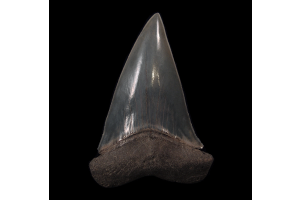
Page 59 - Megalodon
- - September 29, 2025
Fossils carry a kind of timeless mystery that connects us to the deep history of our planet. Among the most sought-after are megalodon teeth—massive relics of the ocean’s most formidable predator. These fossils offer more than curiosity; they represent a glimpse into a prehistoric world when seas were dominated by creatures larger than any alive today. For many, the real question becomes not whether to admire these artifacts, but where I can buy a genuine and well-preserved megalodon tooth?
Transitioning from intrigue to acquisition requires understanding what makes these fossils unique, how to evaluate them, and the best ways to add one to your collection.
The Fascination Behind Megalodon Teeth
The megalodon was a prehistoric shark that lived millions of years ago, reaching lengths estimated at 50 feet or more. Its teeth, often several inches long, are the fossils most frequently recovered. Collectors and researchers alike value these teeth for their striking size, triangular shape, and
- - September 29, 2025
Are you fascinated by the prehistoric giants of the ocean? Want to own a piece of one without needing to sell a kidney? You're not alone. Fossil collectors, shark fans, and even casual hobbyists often find themselves wondering, “where to buy Megalodon teeth” without getting, well, devoured by high prices. Good news, you can buy these ancient wonders, and this blog is here to guide you through it with a touch of humor and a ton of useful info.
Let’s dive into the fossil-filled depths of the Megalodon tooth market and see how you can score a treasure without being taken for a ride.
Why Do People Even Want Megalodon Teeth?
You might be thinking, “Okay, I get it, they’re big... but what’s the fuss?” Well, imagine holding something that’s over 3 million years old. A fossil that once sat in the jaws of a predator capable of biting a whale in half.
That’s what you get with a Megalodon tooth.
It’s not just about size. These teeth are relics of a time when the oceans were ruled by giants.
- - September 29, 2025
Shark evolution has always fascinated researchers, but some fossil discoveries take that fascination to new depths. Among them, the most expensive megalodon tooth ever sold not only carries a hefty price tag but also offers rare scientific insights into how this prehistoric predator once dominated the oceans. For paleontology students and shark evolution researchers, this fossil isn’t just a collector’s prize—it’s a key to understanding predator-prey interactions that shaped marine ecosystems millions of years ago.
Megalodon: The Apex Predator of the Ancient Seas
The Megalodon, Otodus megalodon, was the largest shark to ever exist, with estimates placing it at up to 60 feet long and weighing as much as 75 tons. Its jaws could deliver a bite force exceeding 180,000 newtons—enough to crush the bones of whales with ease. While the skeleton of this giant shark was cartilaginous and rarely preserved, its teeth endured, becoming the primary fossils through which scientists can reconstruct
- - September 29, 2025
Sharks are among the most fascinating marine predators, but none compare to the prehistoric giant that once ruled the oceans—the Megalodon. Within the first 60 words of this article, it’s worth noting that scientists study a real megalodon tooth to unlock secrets about its powerful bite and predatory behavior. These fossils, combined with comparisons to modern sharks like the Great White, allow researchers to reconstruct hunting strategies and estimate bite force.
Why Megalodon Teeth Matter
Unlike dinosaur fossils, sharks leave behind very little skeletal evidence because their skeletons are made of cartilage. What endures are their teeth—dense, mineralized, and capable of fossilizing over millions of years. For the Megalodon, teeth are not just remnants of anatomy but essential data points. Each serrated edge and heart-shaped crown helps scientists understand what this predator ate, how it fed, and how its jaw structure may have functioned.
As passionate collectors and dedicated enthusiasts,
- - September 29, 2025
Imagine the most fearsome predator ever to swim Earth’s oceans, the Megalodon. This giant shark, reaching lengths of up to 60 feet, ruled the prehistoric seas with its terrifying jaws. Now imagine one of those jaws having a rough day, chipped, twisted, or oddly bent. Yes, even Meg had dental issues, and that’s what makes a pathological Megalodon tooth for sale so fascinating.
Unlike regular Meg teeth, these are the real weirdos of the fossil world. Bent, split, compressed, everyone tells a different story.
And each strange curve draws collectors in with prehistoric curiosity.
So, What Exactly Is a Pathological Tooth?
In simple terms, it’s a tooth that didn’t grow “normally.” A pathological tooth may be curved strangely, twisted oddly, compressed unusually, or split entirely. In humans, we’d call the dentist. But in the case of a Megalodon? That tooth just kept chomping whales.
These unique formations are rare. That’s what makes a pathological Megalodon tooth more than a fossil; it's
- - September 29, 2025
The mighty Megalodon remains one of the most fascinating predators in Earth’s history, and its legacy is carried forward through the massive fossilized teeth that collectors and scientists admire today. Within the first 60 words of any discussion about these sharks, two things inevitably surface: the awe inspired by the largest megalodon tooth ever found and the scientific curiosity behind how paleontologists use these fossilized relics to reconstruct the size of an animal that no longer swims our oceans.
Why Teeth Are the Key to Unlocking Megalodon’s Size
Unlike dinosaurs whose fossilized skeletons are often preserved in parts, sharks leave behind little more than their teeth and sometimes vertebrae. This is because sharks, including Megalodon, had cartilaginous skeletons that decayed quickly after death. Teeth, however, were mineralized and could withstand millions of years buried in sediments. These teeth provide paleontologists with a critical data set for estimating the body length
- - September 29, 2025
If you think modern sharks are terrifying, imagine a shark so large it made whales its lunchtime snack. That’s the Megalodon, the undisputed heavyweight champ of prehistoric oceans. And while the shark itself has vanished into extinction, its teeth are still making jaws drop (pun intended). One of the most common questions people ask is: “How big is a Megalodon tooth in cm?” Well, grab your ruler, then maybe grab a tape measure. Things are about to get massive.
Let’s bite into it (gently).
First, What Even Is a Megalodon?
The Megalodon (officially Otodus megalodon) was the largest shark that ever lived, swimming the oceans around 3.6 million years ago. Picture a creature about 18 meters long—that’s roughly three school buses nose to tail. Yikes.
While their skeletons were mostly cartilage (which doesn’t fossilize well), their teeth have stood the test of time—and that’s why we're here today. Because when it comes to measuring those teeth, it’s not your average dental checkup.
- - September 29, 2025
Imagine holding a giant shark’s tooth so massive and rare it feels like a trophy from another world. That’s exactly what owning a Sharktooth Hill Megalodon tooth feels like—like having a prehistoric beast’s autograph in the palm of your hand. These ancient teeth belonged to the Megalodon, the largest shark that ever lived, and the ones from Sharktooth Hill are some of the finest fossils on the planet.
If you’re curious about why these fossils are so special, and why they might make your wallet wince a bit (but with a smile), you’re in the right place. Let’s explore what makes the Sharktooth Hill Megalodon tooth a unique treasure and how it connects us to a world millions of years old.
The Mighty Legacy of the Sharktooth Hill Megalodon Tooth
The Sharktooth Hill Megalodon tooth is no ordinary fossil. It’s a massive, beautifully preserved relic from the middle Miocene epoch—about 12 to 15 million years ago. Sharktooth Hill, near Bakersfield, California, is famous for producing some of
- - September 29, 2025
Have you ever wondered how big the Megalodon tooth was? These prehistoric teeth were massive—some measuring over six inches long. Imagine holding a tooth bigger than your palm, razor-sharp and built to crush giant prey. The Megalodon was the largest shark to have ever lived, and its teeth provide clues about its terrifying size and power. When we talk about these giant teeth, we’re not just talking about fossils—we’re holding a piece of an ancient sea predator’s legacy.
This huge tooth size sets Megalodon apart from any shark alive today. But what exactly made these teeth so special beyond just being big? Let’s take a closer look.
Why Were Megalodon Teeth So Massive?
The question of how big the Megalodon tooth is often leads to curiosity about why these teeth grew so large. It wasn’t just luck or random growth. The size of the teeth was directly related to the Megalodon’s hunting lifestyle. Bigger teeth meant the ability to catch and kill massive prey, such as whales.
Megalodon teeth
- - September 29, 2025
Across the globe, collectors and enthusiasts are captivated by fossils that carry echoes of a world long gone. Shark teeth, in particular, hold a unique fascination because they offer a direct link to a predator that once ruled the seas. The megalodon, often regarded as one of the largest and most formidable sharks in history, left behind teeth so massive that they dwarf those of any living species today. Among these relics, an 8-inch megalodon tooth becomes more than a fossil—it transforms into a tangible symbol of a creature that shaped ancient oceans.
This fascination with megalodon teeth is not purely scientific; it is emotional, imaginative, and personal. To hold one is to feel history resting in your hand, a blend of mystery and wonder that few artifacts can deliver.
Let’s transition from curiosity to a closer exploration of what these remarkable fossils truly represent.
The megalodon’s reign over prehistoric waters
The megalodon, often estimated to reach lengths over 50 feet, commanded