

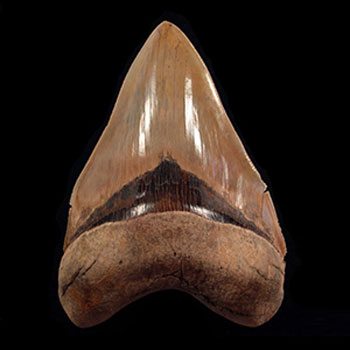
Sharks are among the most fascinating marine predators, but none compare to the prehistoric giant that once ruled the oceans—the Megalodon. Within the first 60 words of this article, it’s worth noting that scientists study a real megalodon tooth to unlock secrets about its powerful bite and predatory behavior. These fossils, combined with comparisons to modern sharks like the Great White, allow researchers to reconstruct hunting strategies and estimate bite force.
Why Megalodon Teeth Matter
Unlike dinosaur fossils, sharks leave behind very little skeletal evidence because their skeletons are made of cartilage. What endures are their teeth—dense, mineralized, and capable of fossilizing over millions of years. For the Megalodon, teeth are not just remnants of anatomy but essential data points. Each serrated edge and heart-shaped crown helps scientists understand what this predator ate, how it fed, and how its jaw structure may have functioned.
As passionate collectors and dedicated enthusiasts, we at Buried Treasure Fossils deeply understand the profound scientific and educational significance of these remarkable specimens. While a single tooth may initially seem like nothing more than a relic from a distant past, it serves as a vital link to unraveling the intricate behaviors and hunting strategies of one of Earth’s most formidable predators. Each specimen holds within it the stories of ancient ecosystems and the relentless survival of species, inviting us to delve into the mysteries of prehistoric life.
Measuring Bite Force Through Fossil Evidence
One of the most remarkable aspects of Megalodon research involves estimating its bite force. Since soft tissues don’t fossilize, scientists rely on tooth size, wear patterns, and comparisons to modern sharks. The Great White serves as the most useful analogue. By studying its jaw mechanics and scaling them to the size of a real megalodon tooth, researchers estimate that Megalodon’s bite could exert up to 180,000 newtons of force.
To put this into perspective, the Great White produces about 18,000 newtons at maximum force—a fraction of Megalodon’s estimated power. This staggering difference suggests Megalodon could crush whale skulls and bones with ease, reshaping our understanding of ancient marine ecosystems.
Hunting Strategies Revealed by Tooth Analysis
Beyond sheer bite force, tooth fossils provide insight into feeding strategies. The serrations along Megalodon’s teeth indicate they were designed to slice through flesh and bone. Paleontologists studying fossilized whale bones often find distinctive cut marks that match Megalodon teeth, suggesting this predator targeted large marine mammals.
Evidence also shows that Megalodon may have used strategic hunting techniques, such as attacking the fins of prey to immobilize them before delivering a fatal bite. This mirrors behaviors seen in modern sharks but on a colossal scale. These findings highlight how studying Megalodon teeth fossils contributes to broader discussions about predator-prey dynamics in prehistory.
Comparing Megalodon and Modern Sharks
The Great White shark is often used as a reference point for Megalodon studies. Both species share tooth morphology, but the size difference is astonishing. While a Great White rarely grows beyond 20 feet, Megalodon reached lengths of 60 feet or more. Its enormous jaw structure—capable of holding rows of teeth over seven inches long—underscores just how specialized this predator was for consuming massive prey.
By scaling modern shark biomechanics, scientists are able to reconstruct not only how Megalodon hunted but also the role it played in regulating ancient marine ecosystems. This reinforces the importance of studying fossils, as they provide clues about biodiversity, extinction, and climate changes through time.
The Role of Fossil Collecting in Science and Education
At Buried Treasure Fossils, we’re passionate about making these prehistoric treasures accessible to everyone—from seasoned collectors to curious beginners. Collecting a real megalodon tooth isn’t just about owning a piece of history; it’s about participating in a larger conversation about science, education, and natural history.
Each tooth carries evidence of ancient oceans, prey interactions, and even geological shifts. By studying these fossils and sharing them with the public, we help promote a deeper understanding of paleontology and inspire future scientists. For educators, holding a Megalodon tooth in the classroom can bring textbook lessons to life, sparking curiosity in students of all ages.
From Fossil Beds to Your Collection
Megalodon teeth are found across the globe, from South Carolina’s rivers to Sharktooth Hill in California, and as far away as Peru and Morocco. Each discovery site provides different preservation qualities, making some teeth uniquely colored or shaped. Larger specimens—especially those exceeding six inches—are rare and highly sought after, not only by collectors but also by researchers who rely on these fossils for study.
Our catalog includes specimens ranging from beginner-friendly options under $50 to museum-grade fossils exceeding six inches. By offering fossils from diverse localities, we ensure that every enthusiast—whether educator, hobbyist, or seasoned collector—can find something remarkable.
Why Authenticity Matters
When it comes to fossils, authenticity is everything. That’s why we guarantee every item we sell is genuine and legally collected, often from private lands. This professional standard ensures that buyers can feel confident about their purchase, whether they’re adding to a personal collection or using fossils for teaching. For scientists and fossil lovers alike, authenticity connects the collector to genuine prehistoric history.
Conclusion: Holding the Past in Your Hands
The study of Megalodon bite mechanics and hunting strategies begins with a single artifact—a real megalodon tooth. These fossils help scientists estimate bite force, reconstruct predatory behavior, and compare ancient giants to today’s sharks. For educators and hobbyists, they serve as tangible reminders of the power and mystery of prehistoric life.
At Buried Treasure Fossils, we are proud to share this connection with our community. Whether you’re seeking an entry-level specimen or a rare collector’s piece, our selection offers something extraordinary for every fossil enthusiast. Explore our collection today and bring home a piece of history—because holding a Megalodon tooth isn’t just collecting, it’s connecting with Earth’s ancient past.






