

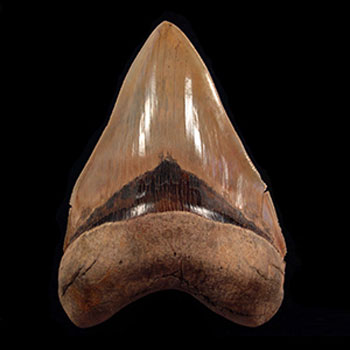
Shark evolution has always fascinated researchers, but some fossil discoveries take that fascination to new depths. Among them, the most expensive megalodon tooth ever sold not only carries a hefty price tag but also offers rare scientific insights into how this prehistoric predator once dominated the oceans. For paleontology students and shark evolution researchers, this fossil isn’t just a collector’s prize—it’s a key to understanding predator-prey interactions that shaped marine ecosystems millions of years ago.
Megalodon: The Apex Predator of the Ancient Seas
The Megalodon, Otodus megalodon, was the largest shark to ever exist, with estimates placing it at up to 60 feet long and weighing as much as 75 tons. Its jaws could deliver a bite force exceeding 180,000 newtons—enough to crush the bones of whales with ease. While the skeleton of this giant shark was cartilaginous and rarely preserved, its teeth endured, becoming the primary fossils through which scientists can reconstruct its evolutionary story.
What truly enhances the value of Megalodon teeth extends beyond their impressive size—occasionally exceeding seven inches in length. These ancient teeth are remarkable not only for their monumental dimensions but also for the exquisite details captured in their sharp serrations, robust roots, and distinctive breakage patterns. Each tooth acts as a fascinating biological chronicle, revealing insights into the creature's feeding strategies, preferences in prey, and even its migratory behaviors throughout prehistoric oceans.
Why Megalodon Teeth Command High Value
The fossil market has long been captivated by shark teeth, but Megalodon specimens stand apart for several reasons:
● Size and Condition: Teeth larger than six inches are exceptionally rare and command premium prices.
● Geographic Origin: Fossils from regions like Chile, Peru, or Sharktooth Hill in California are highly sought after.
● Preservation Quality: Teeth with intact serrations and enamel exhibit less wear, making them scientifically and commercially valuable.
● Historical Perceptions: Before the 17th century, Megalodon teeth were mistaken for dragon tongues or mystical stones, adding a layer of cultural intrigue.
For collectors, owning one of these fossils is about prestige. For researchers, however, the true worth lies in the data each specimen provides.
The Most Expensive Megalodon Tooth: What It Reveals
When a specimen earns the title of the most expensive megalodon tooth, it isn’t just because of rarity or aesthetics. These extraordinary fossils often preserve microscopic wear marks and serration sharpness that help researchers study hunting behaviors. For example:
● Wear Patterns: Teeth with smoothened serrations suggest repeated use on tough prey like whale bones.
● Breakage Analysis: Broken tips may reveal evidence of struggles with large prey or collisions during feeding.
● Serration Sharpness: Fine serrations indicate adaptation for slicing flesh, pointing toward predatory strategies involving rapid dismemberment of large marine mammals.
Such details allow paleontologists to move beyond size estimates and into ecological reconstructions, painting a clearer picture of how Megalodon shaped its environment as an apex predator.
Apex Predator Behavior and Ecosystem Impact
Megalodon didn’t just hunt—it engineered the ocean’s balance. By preying on whales, dolphins, and large fish, it likely prevented any single species from overpopulating the seas. This role as a keystone predator would have influenced the evolutionary trajectories of marine mammals. Some studies even suggest that the decline of Megalodon contributed to the diversification of modern whales.
For paleontology students, this highlights an important lesson: fossils are not just static remnants of the past. They are dynamic evidence that allows us to reconstruct ecosystems, predator-prey interactions, and evolutionary pressures.
The Secondary Fossil Market and Its Educational Value
While collectors often focus on trophy specimens, the broader fossil market—including smaller Megalodon teeth—remains invaluable for education. Students studying shark evolution can learn about tooth replacement patterns, species variation, and growth rates without needing a museum-grade specimen.
This is where fossil shark teeth of different species—such as Otodus, Carcharocles, and modern relatives like Great Whites—come into play. By comparing them, researchers can track evolutionary shifts in feeding strategies, from grasping fish to shearing mammal flesh.
At Buried Treasure Fossils, we make these learning opportunities accessible. From budget-friendly teeth under $50 to rare museum-grade pieces, our catalog is designed for both beginners and advanced researchers who want authentic specimens for study or display.
Authenticity and Ethical Collecting
One concern students and researchers often have is the authenticity of fossils. Every item in our collection is genuine, legally sourced, and backed by decades of expertise. By purchasing from us, you can be confident that your Megalodon tooth—or any other specimen—is not only real but also responsibly obtained.
We believe in making the fossil world approachable without compromising on integrity. That’s why our store highlights detailed background information on each fossil, its locality, and its scientific context. Collecting fossils should inspire curiosity and respect for Earth’s deep history, not just a transactional exchange.
A Passion for Prehistoric Life
Our founder, Gary Greaser, built Buried Treasure Fossils in 2000 out of a lifelong fascination with fossil hunting. That passion fuels everything we do—from sourcing specimens worldwide to educating customers about their significance. We see ourselves not only as a marketplace but as a bridge connecting enthusiasts, collectors, and researchers to the story of life on Earth.
Whether you’re analyzing serration wear under a microscope or simply marveling at the enormity of a six-inch Megalodon tooth on your desk, each fossil is a tangible connection to a prehistoric world that still shapes our oceans today.
Conclusion: Unlocking Prehistoric Secrets
The most expensive megalodon tooth may catch headlines for its staggering value, but its true worth lies in the knowledge it unlocks. By examining serrations, wear, and breakage patterns, researchers gain unparalleled insights into the feeding strategies of one of history’s greatest apex predators. Alongside other fossil shark teeth, these specimens expand our understanding of evolution and the intricate balance of ancient ecosystems.
For us, fossils are more than artifacts—they’re teaching tools, research gateways, and sparks of inspiration for the next generation of paleontologists. If you’re eager to hold a piece of prehistory in your hands, whether for study or personal collection, our extensive catalog offers opportunities for every level of interest. Explore, learn, and let these ancient treasures remind you of the incredible life forms that once ruled the seas.






