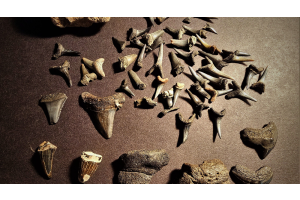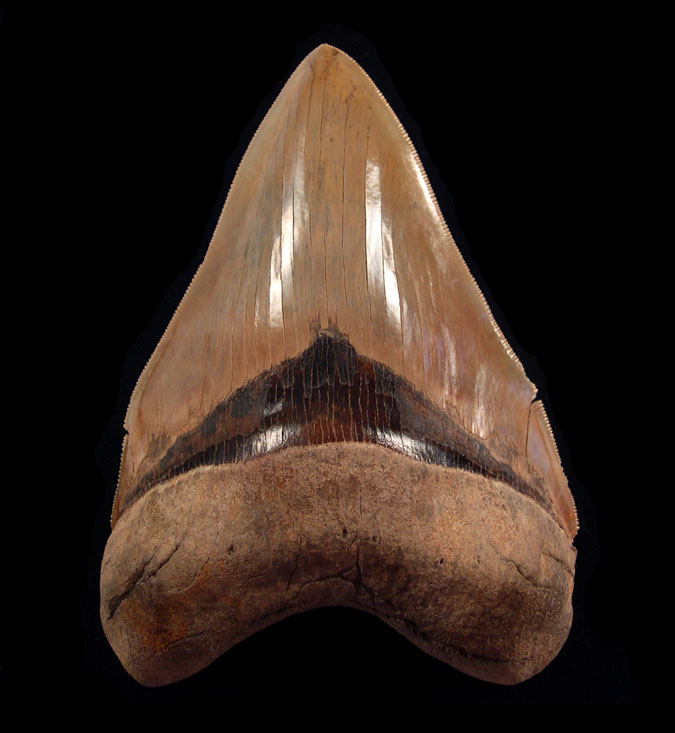
When we think about prehistoric oceans, few creatures capture the imagination as vividly as the Megalodon, the largest shark to ever exist. Fossilized remains from this apex predator—most famously its teeth—are extraordinary windows into Earth’s marine past. Collectors and researchers alike are fascinated by the discovery of a Megalodon tooth in Georgia, particularly those preserved within the Miocene-age Hawthorne Formation. These specimens not only reflect the size and power of this legendary shark but also provide valuable clues about marine life and coastal ecosystems millions of years ago.
The Legacy of the Megalodon
Carcharocles megalodon, often referred to simply as Megalodon, was a marine giant that dominated the seas from approximately 20 to 3 million years ago. Estimates suggest it reached lengths up to 60 feet, making it one of the most formidable predators in Earth’s history. Its teeth—triangular, serrated, and sometimes over 6 inches long—are iconic fossils that symbolize the sheer scale of ancient marine ecosystems.
For both scientists and avid collectors, every Megalodon tooth transcends mere fossilization; it serves as a captivating window into the ancient Miocene and Pliocene oceans, where these magnificent creatures once ruled the seas. The intricate structure of the tooth unveils a wealth of information, shedding light on the dietary habits and hunting strategies of this colossal predator. Furthermore, it reveals the evolutionary adaptations that enabled the Megalodon to flourish for millions of years, capturing the imagination and curiosity of all who study these extraordinary remnants of prehistory.
The Hawthorne Formation: Georgia’s Fossil Treasure
The Hawthorne Formation is a Miocene-aged geological unit dating back roughly 15 million years. Found across parts of Florida, Georgia, and South Carolina, it is well known for its fossil-bearing layers. In Georgia, river systems such as those in Camden and Chatham counties cut through these deposits, exposing gravel beds where shark teeth accumulate.
Plunging into these challenging waters is far from a straightforward endeavor. Collectors frequently grapple with powerful currents that tug relentlessly at their gear, coupled with murky visibility that shrouds the underwater world in mystery. The depths can plunge to an impressive 50 feet, adding to the thrill—and the difficulty—of the hunt. However, the potential rewards are nothing short of extraordinary. Among the treasures that lie beneath the surface, one can discover fossils with stunning coloration and exceptional preservation. These fossils exhibit a stunning palette that ranges from deep, slate gray and rich charcoal to enchanting bluish tones, causing Georgia specimens to truly shine amidst the vast array of Megalodon finds scattered across the globe.
How Marine Science Connects to Fossilization
Understanding why a Megalodon tooth in Georgia survives for millions of years begins with marine science. Fossilization requires very specific conditions. When a shark shed its tooth—something it did frequently throughout its life—it often sank into sediment on the seafloor. Over time, minerals from groundwater, such as silica and iron, replaced the organic materials in the tooth, hardening it into stone.
The Hawthorne Formation provided the ideal setting. The warm, shallow marine environment of the Miocene offered sedimentary layers that helped preserve biological remains. Additionally, mineral-rich waters flowing through Georgia’s rivers imbued these fossils with unique colors. This combination of biological shedding, geological processes, and chemical transformation explains why shark teeth remain some of the most common and well-preserved fossils today.
Insights into Ancient Marine Ecosystems
Megalodon’s dominance shaped marine ecosystems in profound ways. Its diet likely included large whales, seals, and other sharks. By studying the teeth, researchers can infer feeding behaviors: the serrated edges suggest slicing through tough prey, while the size reflects an ability to consume massive animals.
The presence of Megalodon fossils in Georgia highlights the region’s ancient marine biodiversity. Alongside shark teeth, the Hawthorne Formation has yielded remains of early whales such as Basilosaurus, as well as other marine vertebrates and invertebrates. Together, these fossils help reconstruct an image of Miocene seas teeming with life—ecosystems where Megalodon sat firmly at the top of the food chain.
Fossil Collecting and Preservation
At Buried Treasure Fossils, we share a passion for connecting people to these extraordinary specimens. We carefully source fossils, ensuring they are authentic, legally collected, and preserved with integrity. Many collectors are drawn to Georgia shark teeth because of their striking coloration, size, and relative rarity compared to other localities.
Beyond their visual appeal, these teeth make excellent educational tools. Teachers, students, and paleontology enthusiasts use them to explore Earth’s evolutionary history, study marine adaptation, and inspire curiosity about natural sciences. By holding a Megalodon tooth, one holds a fragment of deep time—a fossil that traveled through millions of years of geological history to reach us today.
Why Georgia Megalodon Teeth Stand Out
Not all Megalodon teeth are created equal. The specimens found in Georgia, in particular, are highly coveted for their remarkable preservation and minimal signs of wear. Harvested from the gentle currents of river environments, these teeth exhibit a unique characteristic known as "river polish." This natural smoothing effect not only enhances their aesthetic allure but also preserves the intricate details that tell the story of these ancient giants. Collectors often marvel at the way this glossy finish highlights the beauty of each tooth, transforming them into exquisite pieces of natural art.
The variety of colors—from bold blacks to smoky grays and steel blues—makes each fossil unique. For researchers, these color variations are not merely aesthetic but provide clues about the mineral content of surrounding sediments and waters. For collectors, they represent individuality, ensuring no two specimens are ever alike.
The Role of Students and Educators
For students and educators, studying fossils from the Hawthorne Formation is an engaging way to connect classroom science with tangible artifacts. These specimens bring to life key concepts in paleontology: adaptation, extinction, geological timelines, and fossilization processes. Fossils also encourage cross-disciplinary learning, linking biology with earth science, chemistry, and even art when considering the natural beauty of specimens.
At Buried Treasure Fossils, we aim to make this journey accessible. Whether you’re just beginning a fossil collection or researching prehistoric marine life, we provide authentic specimens and the educational context needed to fully appreciate them.
Conclusion: Preserving the Legacy of the Megalodon
The story of the Megalodon tooth in Georgia is far more than a tale of a fossilized remnant—it is a scientific narrative of ocean ecosystems, geological processes, and evolutionary marvels. The Hawthorne Formation continues to yield insights that inspire both researchers and fossil enthusiasts, proving that every tooth carries not just the bite of a prehistoric shark, but the legacy of an ancient ocean world.
For those who wish to explore this legacy firsthand, we invite you to discover our carefully curated Georgia Megalodon teeth and other extraordinary fossils. Owning a specimen is more than collecting—it’s about holding a piece of Earth’s deep history, one that sparks curiosity, fuels learning, and keeps the fascination of prehistory alive.