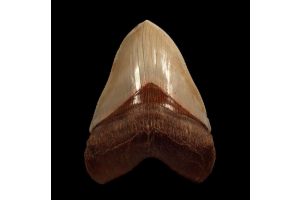
Page 5 - Megalodon
- - December 07, 2025
Megalodon teeth have fascinated collectors and ocean-life enthusiasts for decades. Their immense size, razor-sharp edges, and striking colour variations tell a story millions of years in the making. Among these, the jet-black Megalodon teeth capture special attention for their rich, dark tones that make them both visually stunning and scientifically intriguing. We often receive questions about what causes this deep coloration and whether it has anything to do with age, rarity, or preservation quality. Before you look for a megalodon tooth for sale, it’s worth understanding what gives some of these ancient fossils their black hue and what it reveals about the world they came from.
A Journey from Predator to Fossil
The story of a black Megalodon tooth begins over 3 million years ago, when these massive sharks ruled the oceans. Measuring up to 60 feet in length, the Megalodon was the apex predator of its time, losing thousands of teeth throughout its life as new ones grew in. These shed teeth
- - December 07, 2025
The ocean holds many secrets, but few are as captivating as the story of the megalodon. This massive prehistoric shark dominated the seas for millions of years, and its legacy continues to captivate imaginations. Among the most thrilling artifacts of this ancient predator is the megalodon tooth fossil—a relic that bridges the past and present in the palm of your hand.
But in a market filled with replicas, altered finds, and skillful fakes, how can you tell if what you're holding is authentic? The thrill of the hunt quickly fades when you realize your fossil may be something far less special. Fortunately, with a little patience and a trained eye, spotting the difference becomes easier than you think.
Let’s take a deeper look at the details that separate genuine from imitation—and help you walk away with confidence in your fossil finds.
What Does a Real Megalodon Tooth Look Like?
Megalodon teeth are anything but ordinary. Real ones can measure over 7 inches in length and have a triangular
- - December 07, 2025
Collecting megalodon teeth is more than a hobby; it’s a window into Earth’s prehistoric oceans. Each fossil tells the story of an apex predator that ruled the seas millions of years ago. As enthusiasts, we understand the thrill of holding a piece of natural history in your hand. Whether you’re searching for your first specimen or expanding your collection, knowing how to assess authenticity, condition, and value is key. That’s why we’ve created this guide to help collectors make confident, informed decisions when exploring a megalodon tooth for sale.
Understanding Megalodon Teeth: Nature’s Ocean Relics
Megalodon teeth are among the most sought-after fossils on the planet. These colossal sharks, which lived approximately 23 to 3.6 million years ago, could reach over 60 feet in length. Their teeth often measure between 3 to 7 inches, though rare specimens can exceed this size.
Because of their massive size, triangular shape, and serrated edges, megalodon teeth are instantly recognizable.
- - December 07, 2025
Megalodon teeth are popular among fossil collectors, but only a few are classified as alpha. These exceptional specimens stand out for their large size, thick roots, sharp serrations, and overall superior preservation. They reflect traits linked to dominant, mature megalodons. If you're wondering what makes an alpha megalodon tooth different from the rest, this guide breaks down the key features that define these rare and valuable fossils. We’ve examined countless specimens and will walk you through what truly sets the most impressive examples apart.
Defining an Alpha Megalodon Tooth
The term alpha is used among collectors to describe teeth believed to have come from the most dominant individuals in the species. These were the apex predators—mature, large megalodons that likely ruled their territory. Their teeth reflect that dominance through sheer size, mass, and often, exceptional preservation.
While the word alpha isn’t a scientific designation, it has become an accepted part of the
- - December 07, 2025
If there's one fossil that captures the imagination of collectors, paleontologists, and enthusiasts alike, it's the massive tooth of the prehistoric megalodon. These fossilized remnants are not just relics of an extinct predator; they are scientific clues, collectibles, and status symbols in the world of fossil hunting. We often hear stories about six or seven-inch teeth being discovered, but what’s the real story behind their size? When it comes to megalodon tooth size, what defines the upper limits, and which ones truly qualify as giants?
Why Megalodon Tooth Size Fascinates Collectors and Scientists
Megalodon teeth aren’t just known for their triangular shape and razor-sharp edges. They’re admired for their massive size. A typical adult tooth ranges from 4 to 5 inches, with anything above 6 inches considered exceptionally large.
Collectors pursue larger teeth for their rarity and display value. For scientists, size indicates more than aesthetics. It can offer insights into the shark's
- - December 07, 2025
Have you ever come across a fossil online or at a store and thought, “Is this real?” If you’ve been thinking of buying a megalodon tooth fossil, that question is even more important. With their massive size and prehistoric charm, these shark teeth are some of the most fascinating fossils on the market today.
But here’s the truth: many are not real. So how do you know if the megalodon tooth fossil you’re eyeing is the real thing? In this blog, we’ll walk through easy, practical ways to tell the difference between an authentic fossil and a fake.
Let’s begin by understanding why these fossils are so special and valuable.
Why So Many People Want a Megalodon Tooth?
The megalodon tooth fossil is more than just a collector’s item. It’s a piece of prehistoric history. Megalodons were enormous sharks, believed to grow up to 60 feet long. Their teeth, often larger than a human hand, are the only parts of their bodies that fossilized well.
Owning one means holding a piece of Earth’s past. These
- - December 07, 2025
The tall clay cliffs overlooking the Chesapeake Bay aren’t merely beautiful—they’re a secret vault of ancient treasures. Among the layers of sediment and shells lies something much more captivating: fossilized teeth from one of the largest sharks to ever roam Earth’s oceans. For beachcombers, paleontology enthusiasts, and curious souls alike, these rugged cliffs offer something special.
Between the waves and weather-worn ledges, there’s an unspoken promise: if you search long enough, you might uncover a tooth that once belonged to an apex predator now long gone. One such prize is the awe-inspiring Otodus megalodon Calvert Cliffs fossil. This tooth carries stories from a time when giants ruled the sea.
Let’s trace the roots of this ancient relic and understand what makes these coastal cliffs a magnet for fossil lovers.
A Brief Look at the Otodus megalodon
Before jumping into the geography, let’s meet the tooth’s original owner. The Otodus megalodon was a prehistoric shark that cruised warm,
- - December 07, 2025
Few things spark a child’s imagination like holding a piece of ancient history in their hands. Whether it’s a sparkling mineral or a fossilized shark tooth, these tangible links to the past make science come alive. That’s why discovering megalodon teeth for sale often feels like uncovering a secret treasure chest beneath the sea. As kids learn that these massive fossils once belonged to one of the largest predators that ever lived, curiosity takes over, and the ocean’s ancient mysteries start to unfold before their eyes.
The Prehistoric Superstar: Meet the Mighty Megalodon
Before dinosaurs captured the spotlight, the ocean had its own king—the Megalodon. This colossal shark ruled the seas during the Miocene and Pliocene epochs, millions of years ago. It could grow up to 60 feet long, roughly the size of a school bus, with teeth reaching over seven inches!
Kids are naturally drawn to the idea of giant creatures, and Megalodon ticks all the boxes: huge, powerful, and mysterious. When they
- - December 07, 2025
Few places in the world capture the imagination of young fossil enthusiasts quite like Maryland’s Calvert Cliffs. Along these towering Miocene-aged cliffs, discoveries of ancient marine life tell stories of a prehistoric ocean that once teemed with life—and a predator that ruled them all: the Otodus megalodon from Calvert Cliffs. These colossal shark teeth not only excite collectors and budding scientists but also offer a powerful way to teach kids about change, adaptation, and the ever-evolving story of life on Earth.
Discovering History in Every Tooth
When children hold a fossilized shark tooth for the first time, they’re literally holding millions of years of natural history. At Calvert Cliffs, erosion reveals layer upon layer of marine fossils, from tiny fish vertebrae to whale bones—and, if you’re lucky, the legendary Megalodon tooth. Each specimen reveals something about the animals that lived, hunted, and adapted long before humans walked the Earth.
At Buried Treasure Fossils, we’re
- - December 07, 2025
If you have ever wondered why a big megalodon tooth excites collectors, you are not alone. These massive teeth come from one of the largest predators in history. Fossil collectors, marine enthusiasts, and even casual buyers find them fascinating. They are rare, beautiful, and tell a story about an ocean that existed millions of years ago.
Owning a big megalodon tooth gives you a connection to a shark that could grow over 50 feet long. It is not just a fossil; it is a piece of history. The size, shape, and color of each tooth can tell a lot about the shark that owned it. Collectors often want to know how much is a megalodon tooth is before they buy one. Prices can vary greatly depending on size, color, condition, and where the tooth was found.
Even though many fossils are available for sale, finding a big megalodon tooth in excellent condition is rare. When you hold one, you hold a part of ancient life. Its size, sharp edges, and natural shape make it a standout display piece.