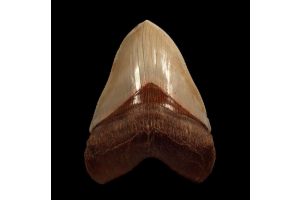
Page 4 - Megalodon
- - December 07, 2025
At our fossil collection company, we take immense pride in presenting some of the most remarkable pieces of natural history, and among them, megalodon teeth continue to hold a special place. As collectors, researchers, and enthusiasts, we have seen how these extraordinary fossils captivate people worldwide. The fascination lies not only in their enormous size and rarity but also in the incredible history each tooth carries.
Over the years, megalodon teeth have become more than collectible fossils; they are tangible connections to one of the ocean’s most dominant predators and a symbol of prehistoric power and beauty. Understanding the value of megalodon tooth adds depth to this fascination, as it reflects both the rarity and historical significance of these ancient relics.
A Window into Prehistoric Power
Megalodon teeth provide a direct connection to an ancient world dominated by a giant shark that once ruled the seas. These fossils are physical reminders of a species that inspired awe
- - December 07, 2025
The tall clay cliffs overlooking the Chesapeake Bay aren’t merely beautiful—they’re a secret vault of ancient treasures. Among the layers of sediment and shells lies something much more captivating: fossilized teeth from one of the largest sharks to ever roam Earth’s oceans. For beachcombers, paleontology enthusiasts, and curious souls alike, these rugged cliffs offer something special.
Between the waves and weather-worn ledges, there’s an unspoken promise: if you search long enough, you might uncover a tooth that once belonged to an apex predator now long gone. One such prize is the awe-inspiring Otodus megalodon Calvert Cliffs fossil. This tooth carries stories from a time when giants ruled the sea.
Let’s trace the roots of this ancient relic and understand what makes these coastal cliffs a magnet for fossil lovers.
A Brief Look at the Otodus megalodon
Before jumping into the geography, let’s meet the tooth’s original owner. The Otodus megalodon was a prehistoric shark that cruised warm,
- - December 07, 2025
The ocean holds many secrets, but few are as captivating as the story of the megalodon. This massive prehistoric shark dominated the seas for millions of years, and its legacy continues to captivate imaginations. Among the most thrilling artifacts of this ancient predator is the megalodon tooth fossil—a relic that bridges the past and present in the palm of your hand.
But in a market filled with replicas, altered finds, and skillful fakes, how can you tell if what you're holding is authentic? The thrill of the hunt quickly fades when you realize your fossil may be something far less special. Fortunately, with a little patience and a trained eye, spotting the difference becomes easier than you think.
Let’s take a deeper look at the details that separate genuine from imitation—and help you walk away with confidence in your fossil finds.
What Does a Real Megalodon Tooth Look Like?
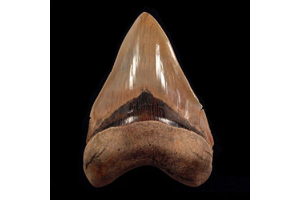
Megalodon teeth are anything but ordinary. Real ones can measure over 7 inches in length and have a triangular
- - December 07, 2025
When powerful coastal storms strike the North Carolina shoreline, they do more than reshape beaches and shift sands. At our fossil collection and research center, we often witness how these natural forces can uncover remarkable fossils that have remained hidden for millions of years.
Among the most impressive of these discoveries are the fossilized teeth of ancient sharks, including the legendary Megalodon Tooth from North Carolina. Through erosion and wave activity, storms can expose deep layers of sediment where these prehistoric treasures lie buried, revealing traces of an oceanic world that once thrived along the coast.
The Geological Setting of North Carolina
The coastline and river systems of North Carolina are known for their fossil-rich formations that continue to yield fascinating discoveries. Several significant geological layers in the region can contain fossil shark teeth from ancient marine environments. These include the Eocene Castle Hayne Formation, the Miocene Pungo
- - December 07, 2025
Collecting megalodon teeth is more than a hobby; it’s a window into Earth’s prehistoric oceans. Each fossil tells the story of an apex predator that ruled the seas millions of years ago. As enthusiasts, we understand the thrill of holding a piece of natural history in your hand. Whether you’re searching for your first specimen or expanding your collection, knowing how to assess authenticity, condition, and value is key. That’s why we’ve created this guide to help collectors make confident, informed decisions when exploring a megalodon tooth for sale.
Understanding Megalodon Teeth: Nature’s Ocean Relics
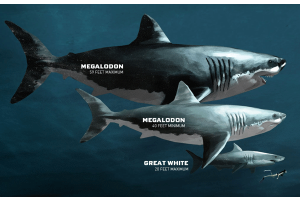
Megalodon teeth are among the most sought-after fossils on the planet. These colossal sharks, which lived approximately 23 to 3.6 million years ago, could reach over 60 feet in length. Their teeth often measure between 3 to 7 inches, though rare specimens can exceed this size.
Because of their massive size, triangular shape, and serrated edges, megalodon teeth are instantly recognizable.
- - December 07, 2025
Few classroom moments rival the wonder that lights up a student’s face when they hold a piece of history that predates humanity itself. That’s what happens when teachers, homeschoolers, and museum educators introduce their students to authentic fossils—especially real megalodon teeth for sale. These prehistoric marvels are more than captivating artifacts; they’re hands-on gateways into Earth’s deep past, sparking curiosity, critical thinking, and scientific discovery all at once.
At Buried Treasure Fossils, we’ve spent over two decades helping educators and enthusiasts bring the ancient world to life. Our passion for fossils—and the stories they tell—makes learning tangible, unforgettable, and endlessly exciting.
The Power of Learning Through Touch
Children and adults alike learn best when they can touch, hold, and examine real objects. Fossils, especially something as massive as a megalodon tooth, bridge the gap between imagination and reality. When a student runs their fingers across
- - December 07, 2025
Collectors often wonder why one Megalodon tooth sells for $200 while another demands $2,000. At first glance, they may look similar in photos. But look closer and you will see why the megalodon tooth price can change so dramatically. The truth sits in what each piece reveals about time, preservation, and nature’s patience. Every Meg tooth tells a personal story that affects its value. People who understand that story can make smarter buying choices and appreciate what they hold in their hands far more deeply.
Size and Shape Decide the Real Megalodon Tooth Price
Most people look at size first. A bigger tooth usually catches more attention, but size alone does not define worth. Collectors study proportion and structure before judging price. A six-inch tooth might seem impressive, yet if it appears narrow or uneven, it can cost less than a smaller one with perfect symmetry. Buyers prefer fossils that show balance and full-bodied shape. A well-proportioned five-inch tooth with a clean root
- - December 07, 2025
At our organization, we have dedicated our efforts to studying and preserving the wonders of the prehistoric ocean, and one of the most fascinating discoveries involves megalodon tooth ledges. These incredible formations reveal much more than fossilized teeth. They help us understand how ancient seas changed over millions of years. Through these ledges, we can see traces of temperature shifts, evolving marine life, and patterns of ocean movement during the Miocene and Pliocene epochs.
Each ledge contains several layers of sediment that were deposited on the ocean floor over vast periods. Within these layers lie teeth, shells, and other remains of marine organisms that lived and died as conditions changed. As sediments continued to build up, older layers were slowly buried by newer ones, creating a geological record that reflects the transformation of marine environments through time.
A Stratified Chronicle of Ocean History
The layered structure of these ledges allows scientists to piece
- - December 07, 2025
Megalodon teeth are popular among fossil collectors, but only a few are classified as alpha. These exceptional specimens stand out for their large size, thick roots, sharp serrations, and overall superior preservation. They reflect traits linked to dominant, mature megalodons. If you're wondering what makes an alpha megalodon tooth different from the rest, this guide breaks down the key features that define these rare and valuable fossils. We’ve examined countless specimens and will walk you through what truly sets the most impressive examples apart.
Defining an Alpha Megalodon Tooth
The term alpha is used among collectors to describe teeth believed to have come from the most dominant individuals in the species. These were the apex predators—mature, large megalodons that likely ruled their territory. Their teeth reflect that dominance through sheer size, mass, and often, exceptional preservation.
While the word alpha isn’t a scientific designation, it has become an accepted part of the
- - December 07, 2025
Collectors often seek fossils that have remained untouched by restoration. Among these finds, the Megalodon Tooth from North Carolina stands out for its deep copper-red tone and natural preservation. Many of these fossils come from riverbeds and sediment layers rich in minerals that enhance their color and texture. However, some specimens on the market have undergone repair to appear more complete. Learning to identify an unrepaired fossil helps collectors avoid altered pieces and protect both authenticity and value in their collections.
How Natural Features Confirm a Megalodon Tooth from North Carolina?
To recognize an unrepaired specimen, focus on what nature leaves behind. Authentic fossils display features that restoration cannot duplicate. Real enamel maintains a steady texture and tone, while altered enamel often shows sharp transitions in color or shine. The copper-red hue common to North Carolina fossils develops over time from mineral absorption, not artificial coating. Under