Page 2 - Megalodon
- - December 08, 2025
The ocean has always held mysteries, but few captivate the imagination quite like the megalodon. These giant predators swam the seas millions of years ago, leaving behind a legacy in the form of teeth. While many specimens have been studied, the discovery of the youngest megalodon tooth provides a rare glimpse into the species’ final days. It provides researchers with more than a fossil—it offers insight into the very timeline of extinction.
This discovery is not only a scientific marker but also a reminder that relics of the past can still be uncovered in unexpected places. Collectors and enthusiasts alike often wonder what these ancient artifacts mean for history and how they remain relevant today.
Why Megalodon Teeth Fascinate Collectors
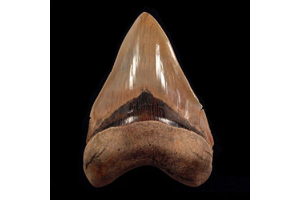
Beyond their sheer size, megalodon teeth hold a remarkable charm. Their triangular shape, serrated edges, and fossilized hues can instantly spark curiosity. Each specimen represents a story buried beneath layers of sand and stone for millions of
- - December 08, 2025
Have you ever wondered what it would be like to face a predator that ruled the oceans millions of years ago? One that could grow longer than a school bus and had teeth sharp enough to bite through almost anything? The discovery of the biggest megalodon tooth ever found brings this ancient giant closer to reality and gives us a rare glimpse into a time when massive predators ruled the seas.
A Discovery That Shakes the Fossil World
The biggest megalodon tooth ever found was uncovered in the rugged coastal regions of Chile. This fossil amazed scientists and collectors alike because of its enormous size and excellent preservation. Each curve and serration on the tooth tells a story about the life of the Megalodon, a shark so powerful it could dominate entire marine ecosystems.
Researchers believe that this tooth belonged to a shark that might have been over 50 feet long. The discovery is not only exciting for paleontologists but also for anyone curious about the giants that once swam our
- - December 08, 2025
The Atlantic coastline has always held secrets. Whispered legends of shipwrecks, buried treasure, and prehistoric giants swirl in the salty air. For beachgoers and fossil lovers alike, one of the most exciting discoveries is a glimpse into a time when the ocean was ruled by the largest predator ever to exist—the megalodon.
These ancient giants once roamed the seas with teeth that could grow longer than a human hand. Today, the idea of uncovering one of those teeth during a casual beach stroll feels like something out of a dream. But what if it’s more than possible? What if it’s happening right now, quietly, beneath your feet?
In fact, recent stories of a megalodon tooth ocean isle find have stirred curiosity, sparking a wave of new fossil hunters hoping to unearth their own prehistoric relics.
What Makes Megalodon Teeth So Fascinating?
Millions of years ago, the megalodon dominated the ocean’s food chain. With jaws that could crush bones and teeth designed for tearing through massive prey,
- - December 08, 2025
Experienced fossil collectors know that location drives value. When it comes to Megalodon teeth, North Carolina continues to stand out for its rare geological profile, consistent fossil preservation, and distinct coloration. Collectors don’t settle for vague listings or generic origins. They seek fossils with proven context and traceable details. That’s why many start their search for a megalodon tooth in North Carolina. The riverbeds and marine deposits in this region deliver specimens that carry scientific weight and long-term collector value.
Why Do Megalodon Teeth from North Carolina Stand Apart?
Not all Megalodon teeth offer the same traits. The ones sourced from North Carolina show better preservation, more substantial mineralization, and most importantly, traceable recovery. This region produces fossil layers from both the Miocene and Pliocene periods. These include the Pungo River Formation and the Yorktown Formation, both of which are known for their dense fossil beds and rich
- - December 08, 2025
At Buried Treasure Fossils, we’re constantly in awe of the ancient wonders that lie beneath our feet—and few are as compelling as the legendary Megalodon shark. This colossal predator ruled the oceans millions of years ago and continues to captivate fossil enthusiasts around the globe today.
With a name that literally translates to "large tooth," the Megalodon left behind the most iconic remains: massive, fossilized teeth that give us rare insight into one of the ocean’s most dominant giants. While the full Megalodon shark skeleton may never be uncovered due to the nature of its cartilage-based body, the teeth and spinal centra that have endured tell a captivating story.
From their staggering size to the fossilization process that preserved them for millennia, Megalodon teeth are more than just collectibles—they’re pieces of Earth’s ancient history. As curators of some of the most premium Megalodon fossils available, we at Buried Treasure Fossils are proud to offer a window into the marine
- - December 08, 2025
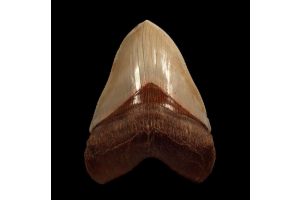
For fossil collectors and young science enthusiasts alike, few sights capture attention quite like the gleaming reddish hue of prehistoric shark teeth pulled from the ancient riverbeds of North Carolina. Within the first sixty words, it’s impossible not to highlight the otodus megalodon in copper red site, one of the rarest and most visually stunning fossil discoveries ever documented. These teeth, often emerging in brilliant shades of copper, brick, and crimson, tell a fascinating story written not just in prehistoric biology but also in Earth’s deep geochemical memory.
A Giant of the Ancient Seas
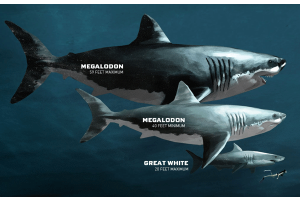
Before diving into what makes the red coloration so remarkable, it helps to remember the colossal creature behind these fossils. The Otodus megalodon was the undisputed apex predator of the Miocene and Pliocene epochs—roughly 20 to 3 million years ago. Stretching up to 60 feet long, it was a powerhouse of evolution, equipped with serrated triangular teeth capable of slicing through whale bone
- - December 08, 2025
Fossil collectors often ask what separates an ordinary Megalodon tooth from a truly exceptional specimen. The answer becomes clear once you explore the biggest megalodon tooth. Measuring over seven inches, this rare fossil boasts impressive dimensions. It teaches serious collectors how size, condition, and origin influence value and reveal essential facts about prehistoric marine life. While casual buyers may only consider size, experienced collectors know that real value lies in the details that surround a find of this scale.
Does the Biggest Megalodon Tooth Truly Define Its Value?
Most Megalodon teeth that appear on the fossil market fall between four and five inches in length. These sizes represent common finds and often serve as entry points for new collectors. However, when a tooth exceeds six inches, it moves into the category of rare specimens. If that length surpasses seven inches, it earns attention across the fossil-collecting community.
The tooth then becomes more than a curiosity.
- - December 07, 2025
Have you ever imagined holding a real piece of ancient history in your hands? A fossil that tells the story of a time when giant sharks ruled the ocean? The Carcharocles megalodon fossil is one of those rare pieces that brings that story to life. This special tooth connects us to a time when the ocean was full of mystery and power. Every detail in this fossil shows how nature creates beauty that lasts for millions of years.
Collectors and fossil lovers often look for something that stands out, something that tells a story. This fossil does exactly that. It comes from a Caribbean limestone quarry and is one of the rarest finds in the world. Its creamy color, sharp edges, and perfect enamel make it a true treasure. Let’s explore what makes this fossil so special and why it deserves a place in any serious collection.
A Look at a Rare Treasure
This fossil is not just another tooth. It is a piece of natural art. The Carcharocles megalodon fossil measures about 5-¾ inches and shows an amazing
- - December 07, 2025
If you have ever wanted to own a piece of ancient history, the Otodus megalodon, So. Carolina teeth are an incredible choice. These giant shark teeth are more than just fossils; they show us the power of one of the largest predators to ever swim the oceans. In this blog, we will explore what makes these teeth from South Carolina so special, why collectors love them, and how you can be part of this exciting prehistoric story.
What Is the Otodus Megalodon?
The Otodus megalodon was a giant shark that lived millions of years ago. It could grow over 60 feet long, which is longer than a school bus. Its teeth are huge and very sharp, with some teeth measuring over seven inches. These teeth are the most common remains we have of this massive shark because its cartilage skeleton did not fossilize well.
Many of these teeth come from the coastal areas of South Carolina. They are dark gray or black, showing how they fossilized in the region’s soil over thousands of years. These teeth are highly
- - December 07, 2025
There’s something truly magical about holding a piece of Earth’s ancient history in your hand — a glimpse into a time when colossal predators ruled the seas. Among these incredible relics, Sharktooth Hill Megalodon tooth fossils stand out as extraordinary tools for teaching children about evolution, adaptation, and the dynamic story of life on Earth. At Buried Treasure Fossils, we’re passionate about how these fossils not only capture young imaginations but also offer hands-on lessons in science, geology, and environmental change.
Discovering the Fascinating World of Sharktooth Hill
Nestled north of Bakersfield, California, Sharktooth Hill is one of the richest Miocene-age fossil sites in the world. Around 12 to 15 million years ago, this region was submerged under a vast, warm ocean teeming with marine life — from ancient whales and sea lions to the most feared predator of all, the Megalodon. Today, the Sharktooth Hill Megalodon tooth remains one of the most remarkable remnants from