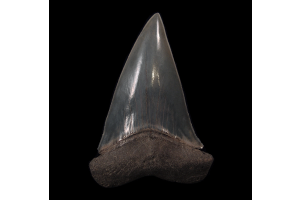
Page 116 - Megalodon
- - August 19, 2025
Setting out on an underwater adventure in ARK: Survival Evolved requires a brave spirit. Beneath the ocean surface lies a realm filled with secrets, hazards, and ancient treasures awaiting discovery. Among the numerous collectibles that intrigue survivors, the Megalodon tooth is particularly remarkable and valuable. It not only represents triumph over one of the ocean’s most formidable predators but also serves as a helpful item in gameplay. To obtain this ancient artifact, we need to refine our strategies for finding, fighting, and claiming it effectively.
In this definitive guide, we walk you through the essential steps and techniques on how to spawn Megalodon teeth in ARK like a pro. With careful preparation and a methodical approach, we can ensure consistent success and elevate our survival prowess to elite levels.
Preparation is Power: Gearing Up for the Deep Dive
Before diving into the perilous depths, preparation is our most valuable ally. Exploring the aquatic biomes of ARK
- - August 19, 2025
When it comes to relics from the deep, few are more captivating than shark teeth. These jagged, fossilized remnants tell ancient stories of survival, power, and evolution in Earth’s oceans. Among them, the megalodon and great white shark teeth stand out as iconic pieces of natural history. At first glance, both seem similar—but a closer look reveals striking differences in structure, size, and purpose. For fossil enthusiasts and collectors alike, understanding these distinctions isn’t just fascinating—it adds tremendous value to your collection and deepens your connection with prehistoric life.
At Buried Treasure Fossils, we specialize in offering authentic, high-quality shark teeth that take you back millions of years. Whether you’re a seasoned collector or just beginning your journey, comparing a megalodon great white shark tooth is a fantastic way to explore the mysteries of our ancient seas.
A Glimpse into Prehistoric Giants and Modern Predators
The megalodon, often dubbed the largest
- - August 19, 2025
The Megalodon is a prehistoric marvel that still dominates our imagination, a shark so massive it dwarfs any marine predator alive. Its legacy lies most tangibly in its teeth, which serve as powerful reminders of an apex predator whose shadow once loomed over ancient seas. Among our fossilized relics, teeth measuring 6 inches or more have captured both scientific fascination and collector envy.
But how big is a megalodon tooth in reality? Are our 6-inch Megalodon teeth fossils the norm or the exception? Let’s explore the truth behind our impressive fossils.
The Spectrum of Megalodon Tooth Sizes
Megalodon teeth vary broadly in size, influenced by factors such as the shark’s age, its position within the jaw, and individual variation. While a handful of teeth have been found exceeding 7 inches, the vast majority of discovered teeth fall somewhere between 1.5 and 4 inches in length. Teeth reaching or surpassing 6 inches represent the extreme upper end of the size range, not your average find,
- - August 19, 2025
Millions of years ago, the oceans were ruled by a giant predator known as the Megalodon. This colossal shark, believed to have reached lengths of up to 60 feet or more, is legendary for its size and power. Although the Megalodon itself has long been extinct, one of its most enduring legacies is the fossilized remains of its teeth. Our collection of enormous 7 inch Megalodon teeth for sale continue to fascinate scientists, fossil hunters, and shark enthusiasts worldwide. But how exactly are these impressive Megalodon teeth fossils formed and preserved over such an immense span of time?
Let’s understand the fascinating journey of these prehistoric relics, from the moment a tooth falls out of a living Megalodon to when it is uncovered millions of years later as a treasured fossil.
The Biology Behind Megalodon Teeth
Megalodons, like modern sharks, had a remarkable dental system. Their teeth were constantly replaced in a conveyor-belt fashion, with new teeth growing in rows behind the functional
- - August 19, 2025
There’s a certain magnetic allure in owning something that whispers stories from millions of years ago. Among the most coveted relics of prehistoric life are Megalodon teeth, remnants of a shark so enormous and powerful it dwarfs today’s ocean predators.
However, in a marketplace overflowing with replicas, altered pieces, and outright fakes, acquiring our certified authentic Megalodon tooth is crucial to truly connecting with this ancient giant. It’s more than a purchase; it’s a commitment to history, science, and ethical stewardship.
This comprehensive guide explores the undeniable benefits of choosing our certified real Megalodon tooth for sale and why they should be the centerpiece of any serious fossil collection.
Guaranteed Authenticity
The fossil market has experienced a surge in popularity in recent years, attracting collectors from around the world. With this surge, the number of counterfeit or misrepresented Megalodon teeth has risen dramatically. Many replicas are visually convincing,
- - August 19, 2025
North Carolina is more than just a state known for its picturesque coastlines and rich history—it is a geological treasure chest holding some of the most remarkable prehistoric fossils in the world. Among these ancient relics, the teeth of the Megalodon shark (Otodus megalodon), the largest predator ever to roam the seas, stand out as the most captivating.
Fossil enthusiasts and collectors alike recognize North Carolina as a prime destination to uncover these massive Megalodon tooth in North Carolina, some of which display an extraordinary copper-red coloration found almost nowhere else on earth.
The Legacy of the Megalodon Shark
The Megalodon shark, often called the “giant white shark” of prehistoric times, lived from roughly 23 million to 2.6 million years ago, spanning the Miocene to the Pliocene epochs. These massive creatures could grow over 60 feet in length, far surpassing the size of any modern shark species. Their dominance in marine ecosystems was absolute, feeding on whales,
- - August 19, 2025
Few treasures capture the imagination like a fossilized shark tooth. These remarkable relics, shaped by millions of years beneath the ocean waves, hold stories that stretch back to an era when massive predators ruled prehistoric seas. One such treasure, the Sand Tiger shark tooth from South Carolina’s Miocene deposits, has been transformed into a stunning wire-wrapped pendant necklace, blending ancient history with exquisite craftsmanship.
This is the story of how our Megalodon shark tooth necklace, lost in the sands of time, becomes a symbol of natural beauty and enduring strength.
Ancient Origins: Sharks Through the Ages
Sharks are among Earth’s most ancient creatures, with ancestors dating back over 400 million years. Throughout their long history, sharks have evolved into diverse species, adapting to shifting climates and ecosystems. The fossilized teeth we find today are the enduring evidence of their existence.
Unlike bone, shark skeletons are made from cartilage, which decomposes
- - August 19, 2025
If you've ever dreamt of owning a genuine piece of prehistoric history, few treasures can rival the allure of a fossilized Megalodon tooth. Among the wide variety of fossilized shark teeth available, the specimen we’re highlighting today from Buried Treasure Fossils is truly in a league of its own. This spade-shaped Megalodon lower jaw tooth from West Java, Indonesia is more than just a fossil—it’s a tangible link to a world that existed millions of years ago.
For collectors, enthusiasts, and fossil lovers like us, this isn’t merely about adding another tooth to a display—it’s about acquiring something truly rare and remarkable. With its perfect blend of shape, coloration, preservation, and authenticity, this exceptional fossil is also a close contender for the largest megalodon tooth ever in this form.
Let’s take a closer look at what makes this Megalodon tooth such a compelling and highly sought-after specimen.
A Glimpse into the Miocene Epoch
The Miocene Epoch—spanning from about 23
- - August 19, 2025
The Megalodon shark tooth necklace has become one of the most captivating and iconic fossil keepsakes in the world—and for good reason. The Megalodon, now extinct, is widely regarded as the most formidable prehistoric marine predator to have ever lived. Towering in the oceans millions of years ago, this ancient shark continues to spark curiosity and admiration among fossil collectors, scientists, and marine life enthusiasts alike.
At Buried Treasure Fossils, we’re proud to offer an exceptional collection of high-quality Megalodon teeth for sale, giving you the rare opportunity to own a true relic from Earth's ancient past.
Here are a few aspects to consider about Megalodon shark tooth necklace:
The Giant of the Ancient Seas
The Megalodon wasn't just any shark—it was the largest shark known to have ever existed. Estimates suggest that this massive creature could reach lengths of up to 60 feet, making it a dominant force in prehistoric oceans during the Miocene and Pliocene epochs. Unlike
- - August 17, 2025
The fascination with prehistoric giants continues to captivate fossil enthusiasts and collectors alike. Among the most sought-after relics of the ancient seas are the teeth of the Otodus Megalodon, an enormous prehistoric shark species whose fossils tell stories from millions of years ago. These fossils offer a window into Earth’s distant past, and among the finest specimens available are those sourced from Sharktooth Hill in California. At Buried Treasure Fossils, exceptional specimens of Otodus Megalodon Teeth from Sharktooth Hill have been carefully studied and curated, reflecting remarkable qualities that distinguish them from others worldwide.
Let’s explore what makes these teeth so unique, focusing on their enamel color, size, preservation, and rarity.
The Geological and Historical Significance of Sharktooth Hill
Sharktooth Hill, located near Bakersfield, California, is a renowned fossil site with an extensive record of marine life from the middle Miocene epoch, roughly 15 million