

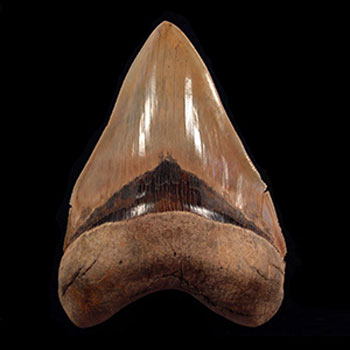
North Carolina is more than just a state known for its picturesque coastlines and rich history—it is a geological treasure chest holding some of the most remarkable prehistoric fossils in the world. Among these ancient relics, the teeth of the Megalodon shark (Otodus megalodon), the largest predator ever to roam the seas, stand out as the most captivating.
Fossil enthusiasts and collectors alike recognize North Carolina as a prime destination to uncover these massive Megalodon tooth in North Carolina, some of which display an extraordinary copper-red coloration found almost nowhere else on earth.
The Legacy of the Megalodon Shark
The Megalodon shark, often called the “giant white shark” of prehistoric times, lived from roughly 23 million to 2.6 million years ago, spanning the Miocene to the Pliocene epochs. These massive creatures could grow over 60 feet in length, far surpassing the size of any modern shark species. Their dominance in marine ecosystems was absolute, feeding on whales, dolphins, and large fish. Although no complete skeletons exist, sharks’ cartilaginous skeletons don’t fossilize, their enormous, serrated teeth remain the enduring evidence of their existence.
Because shark teeth are composed of dentin and enamel, materials prone to fossilization, they are among the most common shark fossils discovered worldwide. However, finding Megalodon teeth in excellent condition is far more challenging. North Carolina’s unique geology, coastal history, and sediment layers have preserved these teeth remarkably well.
Geological Richness of North Carolina
Millions of years ago, large swaths of what is now North Carolina were submerged beneath a shallow sea. As the sea receded over millennia, marine creatures left behind fossils in sedimentary deposits, many of which are now exposed or accessible through rivers and coastal erosion. Two primary fossil-bearing geological formations in the state, the Miocene-aged Pungo River Formation and the Pliocene-aged Yorktown Formation, have been pivotal in yielding countless Megalodon teeth.
Meanwhile, the Yorktown Formation, which spreads across the eastern part of North Carolina and into Virginia, contains layers rich with fossilized marine creatures dating from slightly younger geological times. Together, these formations document a vast prehistoric marine ecosystem where Megalodon reigned supreme.
The Unique Treasure of the Meherrin River
While many fossil hunters know of the Lee Creek Mine and coastal beaches for Megalodon teeth, the Meherrin River in northern North Carolina offers something truly exceptional: copper-red colored Megalodon teeth. These teeth are highly coveted not only for their size but also for their rare coloration, which results from unique geochemical processes.
Most fossilized Megalodon tooth in North Carolina appear in shades of black, gray, or brown due to the minerals absorbed during fossilization. However, in the Meherrin River, the presence of iron-rich sediments causes some Megalodon teeth to take on a deep copper-red or reddish-orange hue. This rare coloration arises when iron oxides permeate the tooth material over millions of years, creating a stunning visual effect that distinguishes these teeth from others worldwide.
Because these copper-red teeth are scarce and notoriously difficult to find, they hold a premium status among collectors. Their rarity, combined with the state’s rich fossil heritage, makes North Carolina a hotspot for those seeking something beyond the typical gray fossil.
Hunting Megalodon Teeth: Where and How
Fossil hunting for Megalodon teeth in North Carolina is both a thrilling and rewarding endeavor. Many hunters target the riverbeds, beaches, and exposed clay pits where erosion reveals new fossils. Seasonal storms, hurricanes, and high tides often wash fresh fossils ashore along the Atlantic coastline, creating temporary windows of opportunity. The Meherrin River is best explored during low water levels, allowing access to sediment deposits where copper-red Megalodon teeth might be hiding.
Why Megalodon Teeth Fascinate Us
Each Megalodon tooth in North Carolina is a tangible remnant of a colossal predator that shaped the marine ecosystems of its time. Holding a Megalodon tooth connects collectors and paleontologists alike to a world that existed millions of years ago, where creatures far larger than anything alive today ruled the oceans.
Size is one immediate draw, a single Megalodon tooth can exceed seven inches in length, dwarfing teeth from most other shark species. These fossils also tell stories about evolution, extinction, and the changing climates and oceans through deep time.
Collectors prize teeth with well-preserved serrations and roots, and the copper-red Megalodon teeth from North Carolina are especially valued for their pristine condition and unique color. Such teeth often show minimal wear, providing insights into the diet and behavior of this prehistoric giant.
Preserving Your Megalodon Tooth Finds
Once a Megalodon tooth is found, proper care is vital to maintain its condition and value. Cleaning should be gentle: soft brushes and warm water are best, avoiding harsh chemicals or abrasives that can damage delicate surfaces.
Storage in padded cases or display stands helps prevent chips and cracks, while labeling each tooth with its location and date adds to its scientific and sentimental worth.
Some collectors choose to stabilize fragile teeth with conservation-grade adhesives or coatings, but this should be done carefully and with expert advice.
North Carolina’s Enduring Role in Paleontology
North Carolina’s reputation as a premier Megalodon tooth hotspot is well-earned and continues to grow. Its fossil record offers an unparalleled glimpse into marine life from millions of years ago, providing an accessible playground for both amateur and professional fossil hunters alike.
The state’s unique geological formations, river systems, and coastal erosion ensure a steady supply of fossil treasures, including the rare and stunning copper-red Megalodon teeth found in the Meherrin River.
Final Thoughts
For those fascinated by prehistoric life, North Carolina offers more than just scenic beauty, it provides a direct connection to a world where massive sharks once patrolled ancient seas. The Megalodon tooth in North Carolina are among the most prized paleontological finds, drawing collectors and scientists who seek to understand Earth’s deep history.
Whether you’re a dedicated fossil hunter chasing the rare copper-red treasures of the Meherrin River or a curious explorer scanning the beaches and formations for a glimpse of the past, North Carolina remains one of the best places in the world to encounter the legacy of the Megalodon.
Explore our local fossil collections, connect with experienced collectors, and get your hands on the right tools to start your search. Don’t wait, start your fossil hunting journey now and experience the excitement of finding our genuine Megalodon tooth!






