When it comes to relics from the deep, few are more captivating than shark teeth. These jagged, fossilized remnants tell ancient stories of survival, power, and evolution in Earth’s oceans. Among them, the megalodon and great white shark teeth stand out as iconic pieces of natural history. At first glance, both seem similar—but a closer look reveals striking differences in structure, size, and purpose. For fossil enthusiasts and collectors alike, understanding these distinctions isn’t just fascinating—it adds tremendous value to your collection and deepens your connection with prehistoric life.
At Buried Treasure Fossils, we specialize in offering authentic, high-quality shark teeth that take you back millions of years. Whether you’re a seasoned collector or just beginning your journey, comparing a megalodon great white shark tooth is a fantastic way to explore the mysteries of our ancient seas.
A Glimpse into Prehistoric Giants and Modern Predators
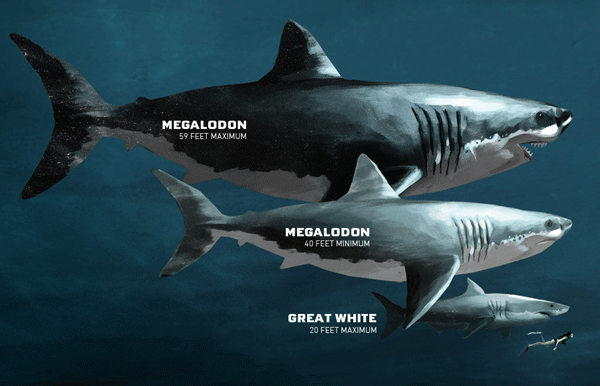
The megalodon, often dubbed the largest shark to have ever existed, ruled the seas around 23 to 3.6 million years ago. This predator was massive—scientists estimate its length could exceed 60 feet. Naturally, its teeth were equally enormous. In contrast, the great white shark, although fearsome in its own right, is much smaller in size and exists in today’s oceans.
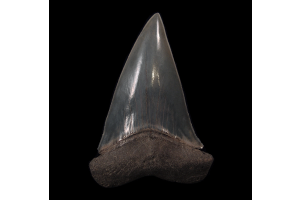
Megalodon teeth are thick, wide, and often triangular with fine serrations and robust enamel. These features enabled the massive shark to crush bones and tear through the flesh of large prey, such as whales. On the other hand, great white teeth are narrower and shaped more like a blade—perfect for slicing rather than crushing. This difference in design is a clue to their dietary needs and hunting techniques, which have been shaped by millions of years of evolution.
It’s essential to introduce the core of our comparison. When it comes to megalodon vs great white tooth, the contrast in scale is staggering. A megalodon tooth can grow up to 7 inches long, while a great white tooth maxes out around 3 inches. Holding these side by side reveals not only size differences but also a dramatic shift in how these sharks interacted with their environment. A megalodon great white shark tooth comparison allows us to glimpse two vastly different stories of life under the waves—one of colossal dominance and another of refined, agile hunting.
Design and Function: Teeth Built for Different Battles
To understand how these teeth differ, we must consider their structure and intended function. Megalodon teeth are broad and thick at the base, with heavy enamel and a robust root. These features made them ideal for grabbing, crushing, and consuming prey with dense bones and muscle mass. The teeth needed to withstand significant stress, and their design reflects this.
White shark teeth, in contrast, are built for speed and efficiency. They are narrow and sharply pointed, with serrated edges that help slice cleanly through the bodies of smaller marine animals, such as fish and seals. Unlike the megalodons’ need to immobilize large prey, great whites rely on surprise attacks and rapid strikes to secure their meals.
This structural difference is not just academic—it has practical value for collectors. The condition, completeness, and design of a tooth provide clues to its species and the era in which it was formed. A thick, glossy megalodon tooth with strong serrations is likely millions of years old. A sharp, glossy great white tooth might only be a few thousand years old, but it still offers a direct link to a living predator.
Age, Rarity, and Storytelling Through Fossils
Megalodon teeth, buried deep in prehistoric sediment, are among the most coveted fossils in the world. Their age alone—ranging from 3 to 23 million years—adds to their allure. Some are fossilized in rich colors due to the minerals in the sediment where they were buried, making each tooth a one-of-a-kind treasure. The stories locked inside a megalodon tooth are ancient, speaking of long-lost oceans teeming with prehistoric creatures.
Great white teeth, although more recent, carry their charm. They’re still collectible and hold scientific value, particularly for those studying modern shark evolution. They also make excellent entry points for new fossil hunters, given their accessibility and slightly lower price point.
For collectors seeking to build a meaningful, educational, and visually striking collection, incorporating both types offers a broader perspective on shark history. You’re not just collecting teeth—you’re preserving moments in time.
Evolution Reflected in Enamel
What’s also fascinating is how these teeth reflect the broader evolutionary path of sharks. Megalodon’s massive size and crushing power speak to an ocean full of large prey, while the sleeker, more surgical design of the great white tooth tells of a predator adapted to faster, smaller targets.
This evolution isn’t just a natural curiosity—it’s a symbol of resilience. Sharks have survived five mass extinctions, and their teeth are among the only parts of their body that fossilize well. That makes these fossils incredibly important, not just to collectors, but also to scientists and educators.
Which One Should You Choose for Your Collection?
If you’re deciding between the two, it comes down to what excites you more. Do you prefer the ancient mystery and raw power of a megalodon, or the sleek, calculated precision of a great white? Megalodon teeth are larger, rarer, and more dramatic—perfect for display or conversation starters. Great white teeth, though smaller, represent a living predator and offer a connection to the ongoing story of life in the sea.
A tooth from either shark is more than just a fossil—it’s a portal to another time. When we compare a megalodon’s tooth, we are not only comparing predators but also worlds that have changed dramatically over millennia. In that way, each megalodon tooth in your collection is a storyteller in enamel.
Final Thoughts: A Connection to the Ancient Sea
At its core, the fascination with shark teeth is rooted in our desire to connect with the past. These fossils aren’t just cool collectibles—they’re keys to understanding the ancient oceans and the creatures that ruled them. Whether you’re captivated by the sheer size of megalodon teeth or the precision of great white teeth, both hold a special place in the hearts of collectors.
At Buried Treasure Fossils, we are passionate about offering only the best specimens, carefully sourced and preserved, to help you uncover the rich history beneath the waves.
So, whether you’re new to collecting or expanding an existing treasure chest, there’s always more to learn—and more teeth to discover. If you’re ready to delve deeper into the prehistoric world and embark on your fossil journey, contact us today to find our exclusive selection and learn about your next perfect addition.