

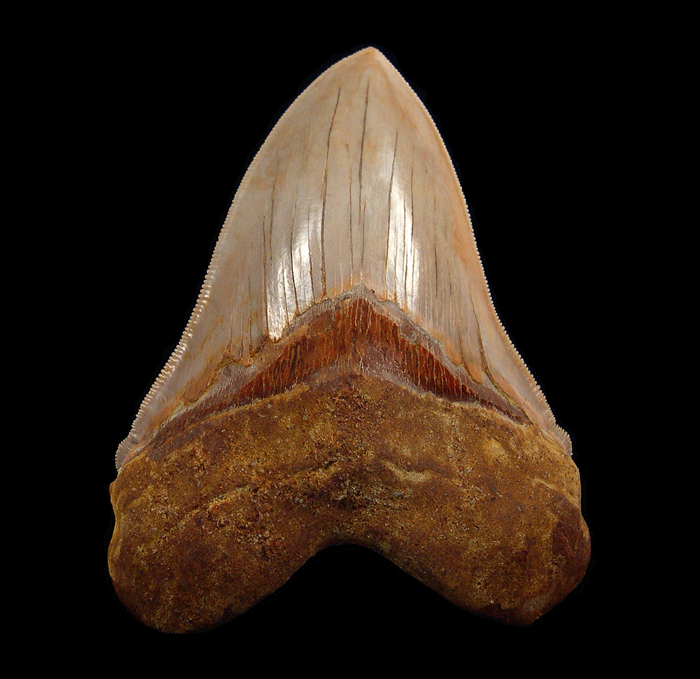
The fascination with prehistoric giants continues to captivate fossil enthusiasts and collectors alike. Among the most sought-after relics of the ancient seas are the teeth of the Otodus Megalodon, an enormous prehistoric shark species whose fossils tell stories from millions of years ago. These fossils offer a window into Earth’s distant past, and among the finest specimens available are those sourced from Sharktooth Hill in California. At Buried Treasure Fossils, exceptional specimens of Otodus Megalodon Teeth from Sharktooth Hill have been carefully studied and curated, reflecting remarkable qualities that distinguish them from others worldwide.
Let’s explore what makes these teeth so unique, focusing on their enamel color, size, preservation, and rarity.
The Geological and Historical Significance of Sharktooth Hill
Sharktooth Hill, located near Bakersfield, California, is a renowned fossil site with an extensive record of marine life from the middle Miocene epoch, roughly 15 million years ago. This formation provides a rich source of shark teeth, particularly those of the Otodus Megalodon, and has been instrumental in advancing the understanding of prehistoric marine ecosystems.
The depositional environment of the Round Mountain Silt Formation within Sharktooth Hill contributed to the exceptional preservation of fossils, allowing collectors and scientists to study specimens with extraordinary detail. This geological context contributes greatly to the uniqueness of teeth from this locality.
Distinctive Enamel Coloration of Otodus Megalodon Teeth
One of the most striking features of Otodus Megalodon Teeth from Sharktooth Hill is their enamel color. These specimens often exhibit a rich tan to reddish-brown hue, which is rare among Megalodon teeth globally. This coloration results from the specific mineral content and sediment chemistry of the Sharktooth Hill formation. The enamel maintains a glossy, smooth finish that enhances the aesthetic appeal without compromising scientific value. The preservation of enamel in such vivid colors offers insight into the fossilization process and the environmental conditions at the time of burial.
Size Matters: The Impressive Dimensions of Sharktooth Hill Megalodon Teeth
The size of Megalodon teeth is often a direct indicator of the shark’s age and feeding habits. Teeth from Sharktooth Hill specimens can reach sizes exceeding five inches in length, with some specimens measuring over 5 1/8 inches. This size range places them among the largest known Megalodon teeth worldwide, reflecting the enormous scale of these ancient predators. The substantial size, combined with sharp, intact serrations, marks these teeth as formidable tools for hunting, providing clues about the Megalodon’s role at the top of the marine food chain during the Miocene.
Preservation Quality: Root, Serrations, and Bourlette
The level of preservation found in Sharktooth Hill Megalodon teeth is another factor that sets them apart. High-quality specimens often feature an intact root, which is frequently missing or damaged in many other fossilized teeth. This preservation of the root enhances both scientific study and collector value. Additionally, serrations along the tooth edges are remarkably well-preserved and complete, extending even to the tooth tips.
The bourlette, a band of coarse enamel near the tooth base, is often 80% complete in these specimens, providing further evidence of minimal post-mortem damage or erosion. This degree of preservation offers invaluable data to paleontologists and adds significant aesthetic and monetary value.
Rarity and Collector Value of Sharktooth Hill Specimens
Among Otodus megalodon - Sharktooth Hill, those from Sharktooth Hill are recognized as some of the rarest. Their combination of size, color, and preservation makes them highly desirable to both scientific researchers and fossil collectors. The specific geological conditions at Sharktooth Hill mean these teeth are not commonly found in other regions, making each discovery a noteworthy event. Their rarity is compounded by the fact that high-quality specimens with complete roots and serrations are even less frequently encountered, creating a demand that reflects their exceptional status within fossil markets.
Scientific Importance of Otodus Megalodon Teeth from Sharktooth Hill
These teeth provide a critical window into the evolutionary history of prehistoric sharks. The unique “Chubutensis-like” serration bumps found at the serration base of many Sharktooth Hill specimens offer clues about morphological variations within Megalodon species during the middle Miocene. Studying these traits helps paleontologists trace lineage and ecological adaptations, shedding light on how Megalodon evolved and thrived in prehistoric oceans. The size and structure of these teeth also inform hypotheses about the shark’s predatory behavior and ecological dominance.
The Role of Authenticity and Documentation in Fossil Collection
Authenticity is paramount in fossil collecting, particularly for prized specimens like those from Sharktooth Hill. Verified provenance, geological context, and expert validation help distinguish genuine Otodus Megalodon teeth from replicas or repaired fossils. Specimens from reputable sources often come with detailed documentation and display options that enhance their value and trustworthiness. This transparency benefits collectors who seek scientifically valuable pieces while ensuring the fossils remain respected artifacts of natural history.
How Otodus Megalodon Teeth from Sharktooth Hill Compare Globally
While Otodus Megalodon teeth have been found in various parts of the world, including Chile, Morocco, and Peru, those from Sharktooth Hill are notable for their specific qualities. The unique combination of enamel coloration, preservation state, and size is uncommon in other global finds. Furthermore, the Sharktooth Hill teeth tend to exhibit specific morphological features tied to their geological period, which provides distinct research value. For collectors interested in geographically and temporally specific fossils, these teeth offer a significant point of interest.
Conclusion: Appreciating the Unique Legacy of Sharktooth Hill Megalodon Teeth
The Otodus Megalodon Teeth from Sharktooth Hill remain some of the most captivating and scientifically valuable fossils available. Their distinctive enamel colors, impressive sizes, exceptional preservation, and rarity combine to make them treasured pieces for both research and collection. With verified authenticity and rich geological context, these teeth provide more than just a glimpse into prehistoric oceans; they serve as tangible connections to an era when the Megalodon ruled the seas.
For enthusiasts looking to understand or acquire these remarkable fossils, Buried Treasure Fossils offers curated specimens that embody these qualities, ensuring that each piece holds both scientific and historical significance.
Have questions or want to explore prehistoric shark fossils? Visit us to discover why Otodus Megalodon Teeth from Sharktooth Hill are among the most prized in the fossil world.






