

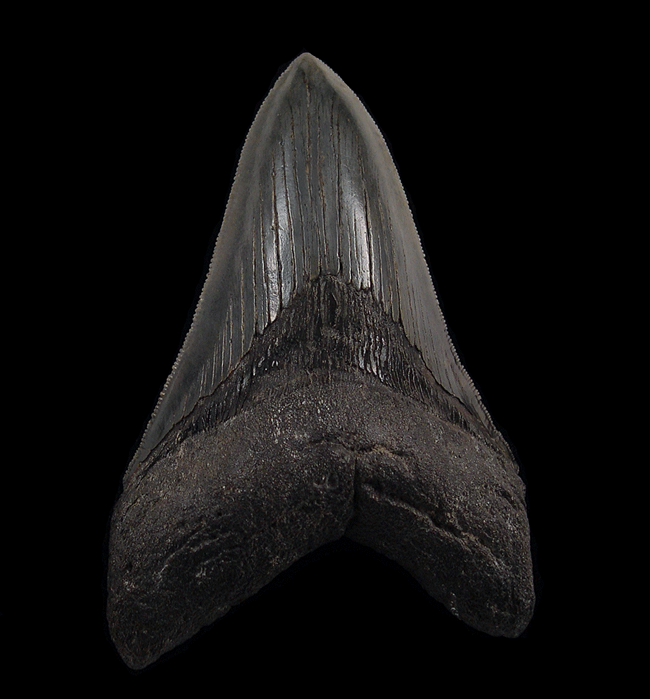
Unearthing remnants from ancient marine environments demands both skill and determination. Among the most sought-after finds are the massive teeth once belonging to one of the ocean’s most formidable predators. These remarkable fossils continue to fascinate collectors and enthusiasts across the globe. Buried Treasure Fossils offers authentic specimens, including Otodus Megalodon teeth in South Carolina, known for their exceptional preservation and striking size. We specialize in sourcing high-quality fossils that combine scientific significance with visual appeal. Each tooth carries its own story, embedded in geological layers shaped over millions of years.
Let’s explore how fossil hunters track down these remarkable pieces of natural history—and why these South Carolina finds are among the most admired.
The History Beneath the Surface
South Carolina’s coastal regions are well-known fossil-hunting grounds. Long ago, this area was covered by shallow, warm seas teeming with marine life. Over millions of years, sediments preserved the remains of these creatures, including the legendary Megalodon. When fossil hunters venture into this terrain today, they’re not just combing through dirt—they’re tapping into layers of Earth's deep biological timeline.
What makes Otodus Megalodon teeth in South Carolina particularly desirable is their incredible preservation. The coastal rivers and sediment-rich banks in this region provide an environment that protects fossils from erosion and degradation. As a result, the teeth found here often exhibit rich coloration, excellent enamel, and clear serrations—ideal for collectors who seek not just age, but beauty and form.
Where the Fossils Are Found
The best hunting grounds for Megalodon teeth in South Carolina are typically rivers and dredged areas. Divers often explore the bottom of rivers like the Cooper or Wando, where teeth are pulled from blackwater beds buried under layers of silt. These underwater environments offer both promise and challenge. Visibility is low, conditions are unpredictable, and safety is paramount—but the reward is substantial.
Land-based fossil hunters also find success in construction zones, eroded cliffs, and dredged pits. These sites become accessible during low tide or excavation, revealing sediment layers that have remained untouched for thousands—or even millions—of years. A strong grasp of local geology often leads to more fruitful expeditions, as understanding how sediment deposits formed and shifted over time can uncover productive fossil layers.
Identifying Genuine Megalodon Teeth
Not all fossils are created equal, and when it comes to Otodus Megalodon teeth in South Carolina, collectors value authenticity, size, condition, and aesthetic appeal. A genuine Megalodon tooth is unmistakable once you know what to look for. These teeth can reach over six inches in length, though most specimens average between three and five inches. The largest finds are often considered museum-grade due to their rarity and overall preservation.
Distinct features include a wide triangular crown, solid root, glossy enamel, and finely serrated edges. Teeth from this region are especially known for their sharp detail and impressive coloration—ranging from jet black and slate gray to warm browns and ochres. These color variations result from mineral content in the surrounding sediments during fossilization, adding uniqueness to each tooth.
What Sets South Carolina Specimens Apart
Collectors are especially drawn to Otodus Megalodon teeth in South Carolina because of their consistent quality. Unlike specimens from some other parts of the world, South Carolina teeth often come with exceptional preservation and coloration, thanks to the unique chemistry of the local riverbeds and sediment composition. These natural conditions protect the enamel and structure, preserving teeth in excellent condition.
The diversity in size, hue, and enamel texture offers something for every type of collector—from the beginner seeking an entry-level piece to the seasoned enthusiast pursuing a rare display specimen. Many serious collectors repeatedly turn to South Carolina specimens because of the region’s steady fossil yield and the high standards these teeth meet for quality, symmetry, and aesthetic value.
The Experience of the Hunt
Beyond the value of the fossils themselves, part of the appeal lies in the experience. Hunting for Megalodon teeth is both a scientific endeavor and a personal quest. Each discovery feels like a direct connection to a time when the oceans were ruled by giants. It’s a process that requires patience, a sharp eye, and sometimes a willingness to wade through thick silt or dive in near-zero visibility.
Every recovered tooth is a triumph—a reward for endurance and a moment that bridges the present to an ancient era. For those who aren’t able to scour the riverbeds themselves, professionally sourced fossils bring that same excitement without the uncertainty, offering guaranteed authenticity and quality.
Quality Sourcing Matters
Otodus Megalodon teeth in South Carolina are sourced with precision and care, with each specimen hand-selected for its size, condition, and overall visual impact. The fossil record in this region is known for producing teeth that reflect both historical integrity and strong collector appeal. Whether added to an educational display or a growing personal collection, the right fossil tells a story—and every piece is chosen to preserve that story in full detail.
Unlike generic fossil marketplaces, curated selections include close-up imagery, verified measurements, and transparent condition descriptions. That means no guesswork and no surprises—just authentic, highly collectible fossils that command attention and respect.
A Fossil for Every Collector
Megalodon teeth, particularly those found in South Carolina, have become essential pieces in private and museum collections alike. Their massive size, iconic serrations, and striking shapes make them a centerpiece in any fossil display. For many collectors, the appeal lies not only in the fossil’s appearance but in the dramatic history it represents—a relic from a time when the oceans were dominated by a creature three times the size of a great white shark.
Whether you’re new to fossil collecting or have been expanding your collection for years, South Carolina offers a reliable source of premium Megalodon teeth. The region is prized for producing specimens that offer a balance between rarity and accessibility. Enthusiasts appreciate the consistent coloration, structural quality, and striking presence these fossils deliver.
There’s something deeply satisfying about owning a fossil that lay hidden for millennia beneath the surface—one that connects you to an ancient predator and the vast ocean it once ruled. For those ready to add one of these legendary pieces to their collection, professionally sourced fossils from this region offer the perfect opportunity.
Conclusion
Otodus Megalodon teeth in South Carolina are more than collector’s items—they are iconic artifacts of prehistoric life. Their consistent quality, striking appearance, and well-preserved condition make them a cornerstone in any fossil enthusiast’s collection. Each specimen carries the weight of ancient oceans and the legacy of a once-dominant marine predator. Whether you’re beginning your collection or seeking a remarkable centerpiece, these fossils offer something truly rare—pieces that command attention and admiration from the moment they’re seen.
Start your collection with a fossil that speaks volumes—sourced from South Carolina’s richest ancient layers.






