Page 9 - Blog
- - December 07, 2025
Fossil collecting is more than just a hobby; it’s a fascinating way to connect with the Earth’s deep past. Every megalodon tooth fossil tells a story—of an ancient ocean giant that ruled the seas millions of years ago. As collectors, we find ourselves drawn to these remnants of prehistory, appreciating both their scientific significance and natural beauty. Whether you’re a curious beginner or an experienced fossil hunter, understanding how to identify, collect, and preserve these remarkable teeth can make your journey far more rewarding. The megalodon tooth fossil is not just a collector’s item—it’s a tangible link to the most powerful predator that ever lived.
Understanding What Makes Megalodon Teeth Special
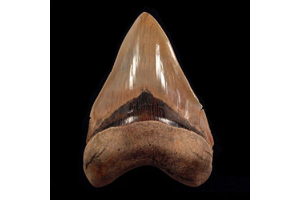
Megalodon teeth are among the most sought-after fossils in the world, prized for their impressive size, serrated edges, and striking coloration. Unlike other fossils, they are relatively durable because shark teeth are made of dentin and enamel, both of which fossilize well over millions
- - December 07, 2025
It’s hard to imagine a creature so massive that it could bite a whale in half—but millions of years ago, the Megalodon shark ruled Earth’s oceans with unmatched power. Today, holding a 7 inch Megalodon tooth for sale feels like holding a tangible link to that prehistoric world, transforming what was once a weapon of the deep into a priceless tool for education and discovery. These incredible fossils, now available to collectors and educators alike, spark curiosity about marine ecosystems, evolution, and the story of life on Earth.
The Ocean Giant That Once Ruled the Seas
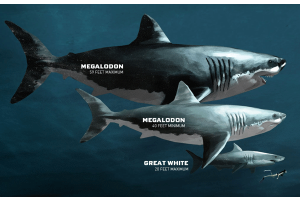
Before it became an iconic fossil, the Megalodon was the apex predator of the Miocene and Pliocene epochs—roughly 23 to 3.6 million years ago. Reaching lengths up to 60 feet, this colossal shark could weigh over 70 tons. Its name, Megalodon, literally means “big tooth,” and for good reason: some teeth exceed seven inches in length.
Each tooth reveals how this shark lived and hunted. With serrated edges and a triangular
- - December 07, 2025
Collectors never stop asking one key question. Which fossils hold real value today? That question drives curiosity and decision-making for both seasoned collectors and newcomers. The answer always leads to the same place. Some fossils capture history, others hold a story, and a few manage to keep both value and fascination. Among them, Otodus megalodon fossils from Bone Valley stand in a class of their own. These fossils combine authenticity, traceable history, and geological beauty that connect directly to collectors who seek pieces that endure beyond simple display.
Why Bone Valley Draws Collectors’ Eyes?
Bone Valley sits on rich phosphate deposits that preserve marine life from the Miocene era. Over time, these deposits locked away prehistoric remains under layers of minerals that enhanced both color and structure. The result is a fossil bed that yields specimens unlike any other. Collectors recognize Bone Valley fossils because of their mineral depth and rich tonal variation. Each tooth
- - December 07, 2025
At our fossil collection, we take pride in offering specimens that capture the timeless beauty of Earth’s ancient past. Among them, the Otodus megalodon from Indonesia holds a special place. These remarkable fossils have fascinated us with their exceptional preservation, color, and structure.
Each specimen allows us to glimpse into a prehistoric world where colossal predators once ruled the oceans. Their natural artistry and geological perfection make them among the most captivating fossils we offer.
Geological Origin and Preservation
The story of Indonesian Otodus megalodon teeth begins deep within the limestone formations of West Java. These fossils are often recovered from the Bentang Formation, a geological layer that dates to the Middle Miocene epoch, around 10 to 15 million years ago. Within this limestone, the teeth have remained protected for millions of years, allowing them to retain their detailed structure and natural sheen.
Because these fossils were buried under stable
- - December 07, 2025
The ocean has always been a place of mystery, where time seems to stand still and legends often blur with reality. From shimmering coral reefs to the dark trenches of the deep, every current hides a story waiting to be told. Among these stories lies one of the most extraordinary creatures ever to have existed—the Carcharocles megalodon, a name that continues to stir curiosity and wonder among scientists and explorers alike.
The mere idea of this prehistoric predator lurking in unexplored waters sparks imagination. What if, in the remote corners of our planet’s vast ocean, traces of the ancient giant still remain?
Tracing the Shadows of a Giant
New Caledonia, surrounded by the South Pacific’s brilliant blues and hidden depths, offers a unique geological setting for fossil discoveries. Beneath its calm lagoons and sharp coral ridges lie sedimentary layers that have preserved fragments of Earth’s ancient marine history. Fossilized teeth found in similar regions give us an idea of the megalodon’s
- - December 07, 2025
Few things excite the imagination quite like discovering a link to Earth’s ancient past. Long before kids fall in love with dinosaurs or dream of exploring the ocean depths, there’s often a single spark—a moment that makes prehistory feel real, touchable, and full of wonder. That’s exactly what my first Megalodon can be: a tangible gateway to curiosity, discovery, and a lifelong fascination with fossils.
At Buried Treasure Fossils, we believe every collector, young or old, remembers the thrill of their first fossil. It’s that moment when history sits in the palm of your hand—millions of years old, yet completely yours. Our My First Megalodon collection was created to capture that feeling and turn it into an experience that inspires learning and adventure for years to come.
The Thrill of Holding Prehistoric Power
Imagine handing a child a fossilized tooth from one of the largest predators that ever lived—the mighty Carcharocles megalodon. This prehistoric shark ruled the oceans between
- - December 07, 2025
Millions of years ago, the oceans were ruled by a creature so immense and fearsome that its very name sparks awe—Megalodon. This extinct apex predator measured over 50 feet in length, and its teeth, some exceeding 7 inches, were weapons of evolutionary brilliance. Today, these fossilized remnants of marine dominance are more than rare artifacts—they’re treasures of natural history.
If you're someone who finds fascination in Earth's ancient past, the idea of owning a real Megalodon tooth has likely crossed your mind. Yes, you can indeed buy megalodon tooth specimens, and they're often more accessible than one might assume.
Before you dive into the details, let’s explore what makes these fossils so special—and what to look for when considering such a unique purchase.
What Makes a Megalodon Tooth So Special?
Unlike bones, shark teeth fossilize easily due to their dense, mineralized composition. A Megalodon, during its lifetime, would shed thousands of teeth. Some of these made their way
- - December 07, 2025
If you're knee-deep in the deep-sea chaos of ARK: Survival Evolved, you're no stranger to rare resources, unpredictable creatures, and the thrill of taming prehistoric legends. But what about something a little… toothier?
Somewhere in the dark waters of the ARK map lurks an apex predator that’s more myth than reality for most players. The Megalodon is more than a marine nightmare—it’s a gateway to one of the more obscure trophies in the game. If you’ve ever scrolled past a mysterious “megalodon tooth ark” item in your inventory or crafting menus, you're not alone in your curiosity. So, what exactly is it, and why does it matter?
Let’s sink our teeth into it.
What Is the Megalodon Tooth Used For?
The Megalodon Tooth is more than a souvenir from your latest aquatic brawl. It’s a trophy item used as a tribute in certain boss fights. In particular, it’s a requirement for summoning the Broodmother Lysrix at the Obelisk, one of ARK’s earliest and most iconic boss encounters.
Each difficulty
- - December 07, 2025
In the coastal regions of North Carolina, certain Megalodon teeth hold an extraordinary distinction. These fossils appear in a vibrant copper-red hue that sets them apart from the typical black or gray shark teeth found in other parts of the world. Each red specimen tells a unique geological story about minerals, sediment, and time.
The coloration seen in these fossils is not artificial but a result of natural processes that unfolded over millions of years. Among the rarest examples, a megalodon tooth from North Carolina captures this striking transformation through its deep red tone and exceptional preservation.
The Unique Discovery of Red Megalodon Teeth
Megalodon teeth are among the most recognized fossils globally, but the copper-red specimens from North Carolina are scarce. They have been discovered in fossil layers such as the Miocene Pungo River Formation and the Pliocene Yorktown Formation. The Meherrin River area, in particular, is noted for producing these remarkable fossils,
- - December 07, 2025
Beneath the ocean’s quiet surface lies a world that once trembled under the shadow of enormous predators. The megalodon, an apex predator that roamed prehistoric seas millions of years ago, continues to fascinate us through the remnants it left behind. Among these remnants, one artifact stands out above all—the world's largest megalodon tooth, a fossilized fragment of a creature so vast that it defies imagination.
This isn’t simply about a tooth; it’s about a window into an era when marine life reached scales that seem unreal today. Every fossil discovered adds a new layer to our understanding, but the tooth found off the Chilean coast redefines what was previously thought possible about the size and scope of this ancient shark.
A Glimpse Into a Prehistoric Ocean
Imagine swimming in the Miocene epoch, around 20 million years ago, when colossal sharks dominated the seas. The megalodon was not merely large—it was monumental, estimated to reach lengths over 50 feet. Its teeth, serrated like