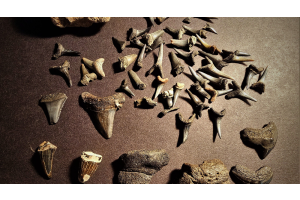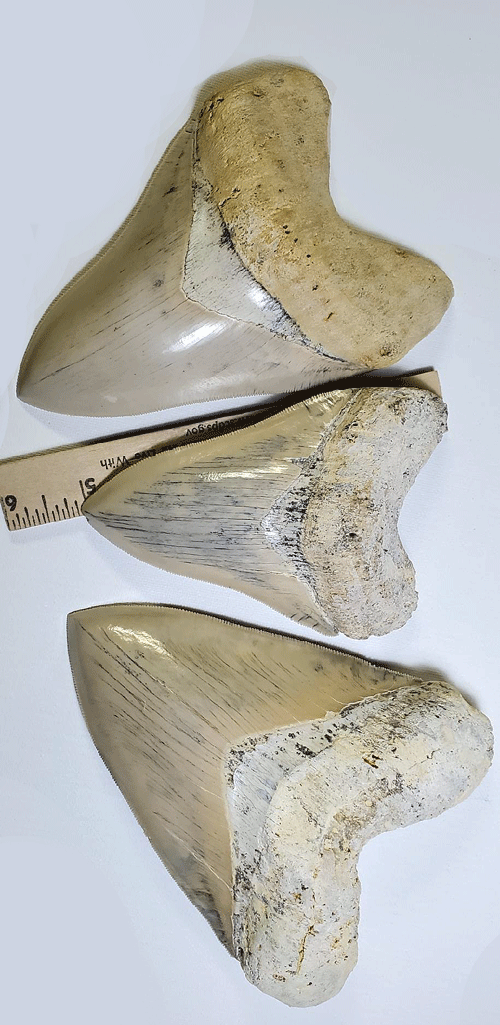
Fossil collecting is more than just a hobby; it’s a fascinating way to connect with the Earth’s deep past. Every megalodon tooth fossil tells a story—of an ancient ocean giant that ruled the seas millions of years ago. As collectors, we find ourselves drawn to these remnants of prehistory, appreciating both their scientific significance and natural beauty. Whether you’re a curious beginner or an experienced fossil hunter, understanding how to identify, collect, and preserve these remarkable teeth can make your journey far more rewarding. The megalodon tooth fossil is not just a collector’s item—it’s a tangible link to the most powerful predator that ever lived.
Understanding What Makes Megalodon Teeth Special
Megalodon teeth are among the most sought-after fossils in the world, prized for their impressive size, serrated edges, and striking coloration. Unlike other fossils, they are relatively durable because shark teeth are made of dentin and enamel, both of which fossilize well over millions of years. The size and shape of the tooth can also reveal fascinating details about the shark’s diet and hunting behavior.
For instance, wide, triangular teeth often indicate crushing power for large prey, while narrower shapes suggest slicing abilities. Collectors often focus on teeth that retain their serrations and enamel luster, as these traits increase both their aesthetic and scientific value.
Where and How to Find Megalodon Tooth Fossils
Megalodon teeth are most commonly found in areas that were once underwater during the Miocene and Pliocene epochs. Riverbeds, coastal cliffs, and fossil-rich sediments are prime locations. Beginners can start by visiting rivers or beaches known for fossil finds, using tools like sifting screens or small shovels to separate gravel and sediment.
Serious collectors often prefer to explore deeper underwater areas using diving equipment, but this requires training and safety awareness. Always check local laws and regulations before collecting, as some sites have restrictions to protect fossils and the environment. Responsible hunting ensures these prehistoric treasures remain accessible for generations to come.
Recognizing Authentic Megalodon Tooth Fossils
With the rise in popularity of fossil collecting, the market for replicas and altered specimens has grown. Learning to identify authentic fossils is essential. Real megalodon teeth usually have a distinct weight, natural mineralization, and texture that differs from resin or artificially polished pieces. The root often appears porous or grainy, while the enamel should have subtle color transitions, not a uniform shine.
Inspect the serrations closely—genuine fossils retain fine, consistent serration patterns. Artificial or restored teeth might have smoother edges or uneven coloration. Experienced collectors often recommend comparing your finds to verified examples online or in museums to build an eye for authenticity.
How to Grade and Evaluate Your Finds
Every megalodon tooth fossil is unique, but grading helps determine its value and rarity. Collectors and dealers generally consider size, completeness, color, and condition.
● Size: Teeth over 6 inches are considered rare and valuable.
● Completeness: Fossils with both the root and enamel intact are preferred.
● Color: Natural hues like black, gray, tan, or bluish tones result from minerals absorbed during fossilization.
● Condition: Minimal cracks, chips, or restoration increases the desirability of a specimen.
The megalodon tooth fossil also gains significance if found in a documented layer or with geological context, as that adds scientific importance. Keeping detailed records of your finds can enhance both their personal and educational value.
Cleaning and Restoring Megalodon Teeth
Proper cleaning is essential to preserve the fossil’s integrity. For most specimens, gentle brushing with a soft toothbrush and warm water is sufficient. Avoid using harsh chemicals or metal tools, as they can damage the enamel. If your fossil is covered in sediment or mineral buildup, soaking it in a mild vinegar solution for a short period can help loosen debris—just be sure to rinse and dry it thoroughly afterward.
Restoration, on the other hand, should be done sparingly and only by professionals. While minor touch-ups may improve the display appeal, excessive restoration can reduce authenticity and long-term value. Always aim to preserve the natural character of the fossil.
Displaying and Storing Your Collection
Once cleaned and cataloged, megalodon teeth make striking display pieces. For presentation, use stands that support the fossil without putting pressure on the root or edges. Display cases with UV-protective glass help prevent color fading.
If storing fossils, maintain a stable environment with low humidity and moderate temperature. Avoid placing them near windows or heating vents. For long-term preservation, use padded containers or foam-lined boxes to prevent accidental chipping. Taking these precautions ensures your collection remains in excellent condition for years.
Ethical Collecting and Conservation Awareness
Collectors play a crucial role in preserving natural history. Responsible collecting means respecting protected sites, avoiding illegal excavations, and reporting scientifically significant finds. When you purchase or trade fossils, verify that they come from legal and ethical sources.
Supporting conservation initiatives and learning about fossil protection laws helps maintain the balance between private collecting and public education. This way, future generations can continue to learn from these remarkable relics of the past.
Building Knowledge and Community
Joining fossil clubs, attending fossil fairs, or connecting with experienced collectors can greatly enhance your learning. Online communities and fossil forums often share insights on identification, cleaning methods, and ethical collecting practices. Engaging with others who share your passion not only broadens your knowledge but also helps you discover rare or unusual specimens responsibly.
As your collection grows, documenting each fossil with photos, location details, and geological information adds a scientific dimension to your hobby. Over time, your collection becomes more than a display—it becomes a record of Earth’s ancient life.
Conclusion
Collecting a megalodon tooth fossil is both an exciting adventure and a way to preserve a piece of prehistory. Each fossil tells a story of the massive predator that once dominated the oceans and provides valuable insights into Earth’s natural history. By learning how to find, identify, and care for these fossils responsibly, collectors contribute to keeping this ancient legacy alive. Whether you are just starting or refining an established collection, patience, knowledge, and respect for nature are the best tools you can bring. At Buried Treasure Fossils, we share that same passion for authenticity, preservation, and the timeless beauty of the megalodon tooth fossil.
Visit us today to explore authentic megalodon tooth fossils and begin your journey into the fascinating world of prehistoric treasures.