

The ocean has always been a place of mystery, where time seems to stand still and legends often blur with reality. From shimmering coral reefs to the dark trenches of the deep, every current hides a story waiting to be told. Among these stories lies one of the most extraordinary creatures ever to have existed—the Carcharocles megalodon, a name that continues to stir curiosity and wonder among scientists and explorers alike.
The mere idea of this prehistoric predator lurking in unexplored waters sparks imagination. What if, in the remote corners of our planet’s vast ocean, traces of the ancient giant still remain?
Tracing the Shadows of a Giant
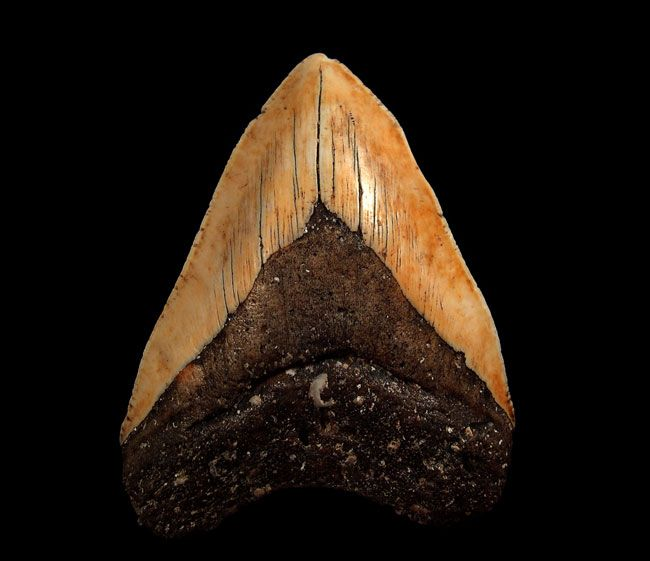
New Caledonia, surrounded by the South Pacific’s brilliant blues and hidden depths, offers a unique geological setting for fossil discoveries. Beneath its calm lagoons and sharp coral ridges lie sedimentary layers that have preserved fragments of Earth’s ancient marine history. Fossilized teeth found in similar regions give us an idea of the megalodon’s accurate scale—serrated masterpieces that could reach over seven inches long, capable of crushing the bones of whales with ease.
Every fossilized tooth tells a silent story of dominance. They reveal not only the creature’s feeding habits but also the immense pressure of its bite and the remarkable design evolution that made it one of the apex predators of its time. When paleontologists hold these massive remnants in their hands, they aren’t merely studying fossils—they’re holding echoes of the most formidable shark that ever lived.
The Hunt for Hidden Fossils
Exploring megalodon fossils in areas near New Caledonia is no small feat. Divers and researchers often work in unpredictable ocean conditions, carefully studying geological maps and analyzing sediment cores for potential clues. Each discovery offers a piece of the puzzle—a glimpse into how marine life evolved after the extinction of the megalodon.
But for fossil enthusiasts, the excitement lies in the rarity. Genuine megalodon teeth are treasured not only for their scientific value but for their beauty and energy. Polished or raw, they carry the texture of time—fossilized perfection that bridges ancient seas with the hands of modern collectors.
Evolution’s Quiet Victory
Nature is a master of adaptation. After the disappearance of the megalodon roughly 3.6 million years ago, smaller but efficient predators took over the oceans. Sharks such as the great white, descendants of the same lineage, filled the gap left behind. They inherited precision and stealth but not the overwhelming size of their ancient ancestors.
Why did such a giant vanish? Climate shifts, ocean cooling, and the loss of large prey species are among the reasons scientists believe contributed to the extinction of this predator. Yet, the exact moment when the last megalodon swam remains a mystery lost to the abyss.
Could Legends Be True?
Stories of enormous shadows beneath fishing boats or unidentified sonar readings have kept the megalodon myth alive. Although modern science leans toward extinction, the possibility that something ancient and unknown could dwell in the ocean’s uncharted depths keeps the question open. After all, more than 80% of the ocean remains unexplored.
New Caledonia’s deep-sea trenches, reaching over 8,000 meters, are among the least studied areas on Earth. In such silent darkness, where sunlight never touches the seabed, one can’t help but wonder—what truly lives there?
The Allure of Fossilized Relics
Fossil hunters and collectors continue to search for megalodon teeth worldwide, fascinated by their beauty and the symbolic significance they hold. The enamel, often colored by minerals absorbed over millions of years, varies from deep black to soft gray or ocean blue. Each tooth is a natural artwork, shaped by both biology and geology.
Owning one feels like holding a fragment of deep time—a relic from an age when Earth’s oceans belonged to giants. Collectors often say that each tooth carries its own personality, telling a story of survival, dominance, and ancient seas teeming with life.
What Science Tells Us About Their Domain
New Caledonia’s marine biodiversity today mirrors a thriving ecosystem that may have once attracted ancient predators. The combination of warm currents, abundant marine life, and isolated geography makes it a plausible hunting ground for the megalodon during the Miocene and Pliocene epochs.
Modern studies using isotope analysis on fossilized teeth show that the megalodon had a vast migration range, moving through tropical and subtropical waters. That means New Caledonia megalodon could have been part of its domain, a place where these colossal sharks roamed freely, hunting whales and other marine mammals that once filled those waters.
A Window to the Ancient Ocean
Each megalodon tooth discovered from these regions offers a tangible connection to a vanished world. Holding one brings to life a time when prehistoric whales breached the surface and sea levels were significantly higher than they are today. These fossils serve as a reminder of the delicate balance of evolution—how even the mightiest species can fade while others thrive.
The beauty of such a discovery lies not only in its rarity but in the story it tells—a tale of endurance, transformation, and the ever-changing nature of life beneath the sea.
Why the Legend Endures
Perhaps humanity’s fascination with the megalodon reflects a more profound curiosity about our planet’s hidden corners. It reminds us how little we truly know about the ocean and how many mysteries it still guards. Whether through fossils or folklore, the giant shark continues to captivate our imagination, urging us to explore, learn, and respect the forces that shaped life on Earth.
In a way, the megalodon is less a creature of extinction and more a symbol of nature’s vastness—proof that the past and present can coexist through the stories we continue to tell.
A Glimpse into the Abyss
So, could such a creature still swim through the deep waters near New Caledonia? While science says no, the ocean’s vastness leaves room for dreams. Each fossil discovery, each scientific study, adds a brushstroke to this immense, unfinished picture of our planet’s marine history.
Perhaps that’s what keeps the fascination alive—the hope that somewhere, in the ocean’s endless blue, remnants of that ancient world still whisper beneath the waves.
Take the Journey into Prehistoric Depths
If the mystery of ancient seas fascinates you, explore the world of authentic megalodon fossils and discover the timeless connection they offer to Earth’s prehistoric past. Each fossil holds a story millions of years in the making—waiting to be rediscovered, studied, and cherished.
Start your own exploration and let the deep sea’s most legendary predator remind you how extraordinary our planet’s history truly is.






