Page 5 - Blog
- - December 07, 2025
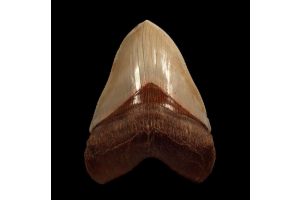
The Carcharocles megalodon is one of the largest and most powerful sharks that ever lived. Collectors around the world highly seek after fossil teeth from this giant shark. Among these, teeth found in Peru are considered some of the rarest and most valuable. But what makes the Carcharocles megalodon tooth from Peru so special? Let’s explore the features, history, and scientific value of these fascinating fossils.
The History of the Carcharocles Megalodon
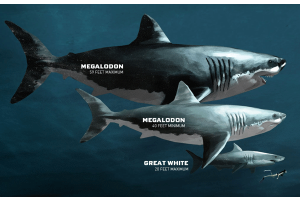
The Carcharocles megalodon lived between 23 and 3.6 million years ago during the Miocene and Pliocene periods. This massive predator could grow up to 60 feet long, making it one of the most formidable creatures in the ocean. Fossil teeth from the Carcharocles megalodon give us a glimpse into this shark’s life and the prehistoric oceans it ruled.
Teeth found in Peru are especially unique. They often show excellent preservation, sharp serrations, and rich color. These features make them highly prized by collectors who want a genuine
- - December 07, 2025
Buyers often search for rare fossils that hold both value and authenticity. Among the most sought-after are fossilized teeth labeled as Otodus megalodon in the Copper Red Site. These teeth are not only visually stunning but also extremely limited in availability. Their signature copper tone and site-specific origin set them apart from other fossil finds. However, that appeal brings imitation and mislabeling into the picture. Before making a purchase, collectors must understand how to identify genuine items and avoid costly mistakes. This guide will walk you through everything you need to confirm before investing.
Recognizing the Value of Copper Red Site Fossils
The Copper Red Site refers to a known fossil-bearing location where the sediment composition creates a rich, copper-red color during the fossilization process. Over time, minerals within the soil bind to the enamel of fossilized shark teeth, giving them their distinctive reddish tone. This effect does not appear in all regions and
- - December 07, 2025
Have you ever wondered what it would be like to hold a piece of the ancient ocean in your hand? An authentic megalodon tooth allows you to do just that. These fossilized shark teeth come from the megalodon, the largest predator to have ever lived in prehistoric seas. Owning one is like holding a time capsule from millions of years ago, a tangible connection to a creature so powerful it ruled the ocean. In this blog, we’ll learn and find out why megalodon tooth fossils are so special, how to find real ones, and how to care for your own slice of history.
Why the Megalodon Tooth Stands Out?
The megalodon tooth is unlike any other fossil because it belonged to a shark that grew to incredible sizes, some estimates say up to 60 feet long! This massive size means its teeth could reach over seven inches, making the megalodon tooth one of the largest shark tooth fossils ever discovered.
What makes the megalodon tooth so fascinating is not just its size but also its shape. These teeth
- - December 07, 2025
The ocean has always kept its secrets well. From the hush of the deep blue to the fossils hidden in ancient sands, every discovery reveals whispers of what once ruled the seas. Among these relics lies something so small yet so astonishing—a baby megalodon tooth. Though miniature compared to the adult’s formidable size, it carries an ancient story of beginnings, evolution, and oceanic dominance.
It’s fascinating to think that even the tiniest fossil fragment can hold echoes of creatures that once swam the waters millions of years ago. This isn’t merely a collector’s find—it’s a window into the prehistoric world.
Tracing the Origin of a Giant
Imagine holding a piece of history between your fingers, one that predates humans by millions of years. A megalodon, often hailed as the largest shark that ever existed, began its life much like any other creature—in miniature form. Its early teeth, more minor yet intricately detailed, hint at the massive predator it would become.
Every ridge, curve,
- - December 07, 2025
It’s hard to imagine a creature so massive that it could bite a whale in half—but millions of years ago, the Megalodon shark ruled Earth’s oceans with unmatched power. Today, holding a 7 inch Megalodon tooth for sale feels like holding a tangible link to that prehistoric world, transforming what was once a weapon of the deep into a priceless tool for education and discovery. These incredible fossils, now available to collectors and educators alike, spark curiosity about marine ecosystems, evolution, and the story of life on Earth.
The Ocean Giant That Once Ruled the Seas
Before it became an iconic fossil, the Megalodon was the apex predator of the Miocene and Pliocene epochs—roughly 23 to 3.6 million years ago. Reaching lengths up to 60 feet, this colossal shark could weigh over 70 tons. Its name, Megalodon, literally means “big tooth,” and for good reason: some teeth exceed seven inches in length.
Each tooth reveals how this shark lived and hunted. With serrated edges and a triangular
- - December 07, 2025
For anyone fascinated by prehistoric sharks, a Megalodon tooth necklace is more than jewelry; it is a piece of history. Wearing one allows collectors and enthusiasts to carry a connection to the ancient ocean. Each Megalodon tooth necklace is unique, showing natural variations in size, shape, and color. Choosing the right piece can be both exciting and challenging, especially for newcomers to fossil collecting.
These necklaces appeal not only to collectors but also to anyone who loves meaningful and bold jewelry. A Megalodon tooth necklace can become a conversation starter. Its uniqueness catches the eye and sparks curiosity about the massive shark that once ruled the oceans. By wearing one, you are showcasing your interest in marine life and history.
Why a Megalodon Tooth Necklace Is So Special?
A Megalodon tooth necklace connects you to a prehistoric era. The megalodon was one of the largest predators ever, and its teeth still impress today. Wearing one tells a story of ancient
- - December 07, 2025
Megalodon tooth fossils continue to fascinate collectors, marine enthusiasts, and paleontology fans. Known for their size, triangular form, and prehistoric value, they remain highly desirable. But with increased demand comes a rise in replicas, restorations, and altered specimens. We’ve observed how challenging it can be for buyers to distinguish genuine fossils from imitations, especially when purchasing online or at fossil markets. If you're uncertain about how to verify authenticity, learning the key identifiers is essential. This guide will help you confidently assess a megalodon tooth fossil and make informed decisions when building or expanding your collection.
Why It’s Important to Spot the Real Thing
Identifying a genuine megalodon tooth fossil goes beyond simply avoiding a fake. It’s about understanding the history, science, and craftsmanship involved in preserving a piece of natural history. Authentic teeth not only hold financial value but also offer clues about the prehistoric
- - December 07, 2025
Nature doesn’t always shout its secrets. Sometimes, it whispers them through ancient sediment, buried far below the surface where time has quietly passed. One such whisper rises from a dry stretch of land in central California—a site with layers of history pressed into the soil. Long ago, before mountains rose and deserts formed, this place was submerged beneath a shallow sea teeming with extraordinary marine life.
Somewhere deep within that sea's fossilized remains, collectors might discover something rare and thrilling—the Sharktooth Hill megalodon tooth. This treasure feels both ancient and alive in its presence.
A Land That Was Once an Ocean
Sharktooth Hill, nestled near Bakersfield, is far from the ocean today. But nearly 15 million years ago, it sat at the bottom of the Temblor Sea. This prehistoric body of water spanned what is now California’s Central Valley, and its depths were teeming with sharks, whales, sea lions, rays, and an astonishing array of marine life.
What makes Sharktooth
- - December 07, 2025
The ocean holds many secrets, but few are as captivating as the story of the megalodon. This massive prehistoric shark dominated the seas for millions of years, and its legacy continues to captivate imaginations. Among the most thrilling artifacts of this ancient predator is the megalodon tooth fossil—a relic that bridges the past and present in the palm of your hand.
But in a market filled with replicas, altered finds, and skillful fakes, how can you tell if what you're holding is authentic? The thrill of the hunt quickly fades when you realize your fossil may be something far less special. Fortunately, with a little patience and a trained eye, spotting the difference becomes easier than you think.
Let’s take a deeper look at the details that separate genuine from imitation—and help you walk away with confidence in your fossil finds.
What Does a Real Megalodon Tooth Look Like?
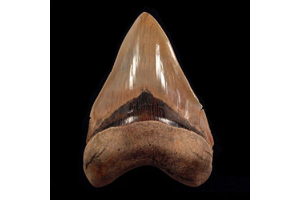
Megalodon teeth are anything but ordinary. Real ones can measure over 7 inches in length and have a triangular
- - December 07, 2025
Collectors spend years searching for the right piece. When you finally come across a 7-inch megalodon tooth for sale, it feels like a once‑in‑a‑lifetime moment. These teeth represent a creature that ruled prehistoric oceans, and every inch tells a story of power and survival. Yet, the larger the tooth, the higher the risk of replicas, touch-ups, and over-polishing. That makes authenticity a serious concern. This checklist helps you distinguish genuine fossils from altered ones, providing insight into selecting a genuine specimen that earns its place in your collection.
Understand What Makes Size Matter
Size defines rarity. Very few Megalodon teeth reach seven inches. Most authentic examples fall between six and six and a half inches. When you find a tooth claiming to hit or exceed that mark, verify how the seller measured it. Measure from the tip to the longest corner of the root. That diagonal line gives the actual size. Avoid sellers who round up or estimate. Accurate measurement reflects