Page 9 - Home Page Latest Post
- - December 07, 2025
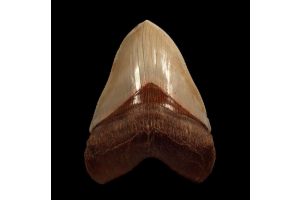
If you have ever wanted to own a piece of ancient history, the Otodus megalodon, So. Carolina teeth are an incredible choice. These giant shark teeth are more than just fossils; they show us the power of one of the largest predators to ever swim the oceans. In this blog, we will explore what makes these teeth from South Carolina so special, why collectors love them, and how you can be part of this exciting prehistoric story.
What Is the Otodus Megalodon?
The Otodus megalodon was a giant shark that lived millions of years ago. It could grow over 60 feet long, which is longer than a school bus. Its teeth are huge and very sharp, with some teeth measuring over seven inches. These teeth are the most common remains we have of this massive shark because its cartilage skeleton did not fossilize well.
Many of these teeth come from the coastal areas of South Carolina. They are dark gray or black, showing how they fossilized in the region’s soil over thousands of years. These teeth are highly
- - December 07, 2025
Long before humans roamed the Earth, the oceans were ruled by a predator so powerful that even whales trembled in its presence. Deep beneath layers of sediment and time, fossilized remains whisper stories of this ancient giant—the mighty Megalodon. Among these relics, the largest megalodon tooth ever discovered continues to awe scientists and collectors alike, serving as both a symbol of raw prehistoric power and a window into ancient ocean life. At Buried Treasure Fossils, we’re proud to bring such discoveries closer to those who share our fascination for the mysteries locked in stone.
Unearthing the Giant of the Deep
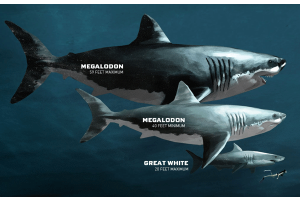
When paleontologists and fossil hunters talk about legendary finds, few discoveries match the thrill of unearthing a Megalodon tooth. Measuring over 7 inches, the largest megalodon tooth ever discovered is more than just a fossil—it’s a record of one of the ocean’s most fearsome predators. For comparison, that’s roughly three times the length of a modern Great White
- - December 07, 2025
Collectors searching for Otodus megalodon in Indonesia will quickly notice one thing. Fossil shark teeth found across different regions of the country can vary significantly in their appearance and condition. Some display bold natural colors and near-perfect preservation. Others appear more weathered or worn. These variations are not random. They result from geological differences across Indonesian locations, particularly in areas such as West Java. For any collector aiming to make informed choices, understanding how location influences fossil quality helps avoid costly mistakes.
Fossil Traits Shift with Location and Environment
Indonesia’s terrain is characterized by layers of ancient marine sediment that once cradled species like Otodus megalodon. Fossils formed under these layers react differently depending on their surroundings. West Java is notable for its limestone-rich beds, which have cushioned and protected the teeth of its inhabitants for millions of years. In contrast, regions
- - December 07, 2025
If there's one fossil that captures the imagination of collectors, paleontologists, and enthusiasts alike, it's the massive tooth of the prehistoric megalodon. These fossilized remnants are not just relics of an extinct predator; they are scientific clues, collectibles, and status symbols in the world of fossil hunting. We often hear stories about six or seven-inch teeth being discovered, but what’s the real story behind their size? When it comes to megalodon tooth size, what defines the upper limits, and which ones truly qualify as giants?
Why Megalodon Tooth Size Fascinates Collectors and Scientists
Megalodon teeth aren’t just known for their triangular shape and razor-sharp edges. They’re admired for their massive size. A typical adult tooth ranges from 4 to 5 inches, with anything above 6 inches considered exceptionally large.
Collectors pursue larger teeth for their rarity and display value. For scientists, size indicates more than aesthetics. It can offer insights into the shark's
- - December 07, 2025
The Carcharocles megalodon is one of the largest and most powerful sharks that ever lived. Collectors around the world highly seek after fossil teeth from this giant shark. Among these, teeth found in Peru are considered some of the rarest and most valuable. But what makes the Carcharocles megalodon tooth from Peru so special? Let’s explore the features, history, and scientific value of these fascinating fossils.
The History of the Carcharocles Megalodon
The Carcharocles megalodon lived between 23 and 3.6 million years ago during the Miocene and Pliocene periods. This massive predator could grow up to 60 feet long, making it one of the most formidable creatures in the ocean. Fossil teeth from the Carcharocles megalodon give us a glimpse into this shark’s life and the prehistoric oceans it ruled.
Teeth found in Peru are especially unique. They often show excellent preservation, sharp serrations, and rich color. These features make them highly prized by collectors who want a genuine
- - December 07, 2025
Collectors never stop asking one key question. Which fossils hold real value today? That question drives curiosity and decision-making for both seasoned collectors and newcomers. The answer always leads to the same place. Some fossils capture history, others hold a story, and a few manage to keep both value and fascination. Among them, Otodus megalodon fossils from Bone Valley stand in a class of their own. These fossils combine authenticity, traceable history, and geological beauty that connect directly to collectors who seek pieces that endure beyond simple display.
Why Bone Valley Draws Collectors’ Eyes?
Bone Valley sits on rich phosphate deposits that preserve marine life from the Miocene era. Over time, these deposits locked away prehistoric remains under layers of minerals that enhanced both color and structure. The result is a fossil bed that yields specimens unlike any other. Collectors recognize Bone Valley fossils because of their mineral depth and rich tonal variation. Each tooth
- - December 07, 2025
For anyone fascinated by prehistoric sharks, a Megalodon tooth necklace is more than jewelry; it is a piece of history. Wearing one allows collectors and enthusiasts to carry a connection to the ancient ocean. Each Megalodon tooth necklace is unique, showing natural variations in size, shape, and color. Choosing the right piece can be both exciting and challenging, especially for newcomers to fossil collecting.
These necklaces appeal not only to collectors but also to anyone who loves meaningful and bold jewelry. A Megalodon tooth necklace can become a conversation starter. Its uniqueness catches the eye and sparks curiosity about the massive shark that once ruled the oceans. By wearing one, you are showcasing your interest in marine life and history.
Why a Megalodon Tooth Necklace Is So Special?
A Megalodon tooth necklace connects you to a prehistoric era. The megalodon was one of the largest predators ever, and its teeth still impress today. Wearing one tells a story of ancient
- - December 07, 2025
There’s a reason megalodon teeth turn heads. More than six inches of ancient enamel, sharp serrations, and fossilized color make them look like something pulled straight from the jaws of a sea monster—and in a way, they are. These are pieces of history, once part of the mouth of an apex predator that swam Earth’s oceans millions of years ago. No wonder they’ve become a collector’s favorite.
But as demand rises, so do the counterfeits. With technology enabling startlingly accurate replicas, the market is flooded with lookalikes. The question that inevitably follows is: how to tell if a megalodon tooth is real? It’s a common concern among fossil lovers, and one that deserves close attention.
Let’s move past the awe and into the evidence.
Why Megalodon Teeth Are So Widely Replicated
Megalodon teeth are among the most recognized fossils in the world. They represent not only a prehistoric creature but a piece of Earth's untold story. Genuine specimens often fetch hundreds or even thousands
- - December 07, 2025
If you have ever wondered why a big megalodon tooth excites collectors, you are not alone. These massive teeth come from one of the largest predators in history. Fossil collectors, marine enthusiasts, and even casual buyers find them fascinating. They are rare, beautiful, and tell a story about an ocean that existed millions of years ago.
Owning a big megalodon tooth gives you a connection to a shark that could grow over 50 feet long. It is not just a fossil; it is a piece of history. The size, shape, and color of each tooth can tell a lot about the shark that owned it. Collectors often want to know how much is a megalodon tooth is before they buy one. Prices can vary greatly depending on size, color, condition, and where the tooth was found.
Even though many fossils are available for sale, finding a big megalodon tooth in excellent condition is rare. When you hold one, you hold a part of ancient life. Its size, sharp edges, and natural shape make it a standout display piece.
- - December 07, 2025
Millions of years ago, a colossal shark ruled the oceans—a creature so massive that its bite could crush whales with ease. Within the first 60 words, we must highlight the wonder of prehistoric relics like an authentic megalodon tooth, a fossil that connects us directly to the ancient seas. Today, holding such a specimen in your hand is like holding time itself—a relic that once belonged to the greatest marine predator Earth has ever known.
The Legend of the Giant Shark
The Megalodon, whose name means “big tooth,” was an apex predator that dominated the oceans roughly 23 to 3.6 million years ago during the Miocene and Pliocene epochs. This prehistoric shark could reach up to 60 feet in length—twice as long as the largest great white shark living today. According to scientific estimates, its biting force was more than 40,000 pounds per square inch, making it the strongest biter in animal history.
What fascinates collectors and paleontology enthusiasts is that the Megalodon’s reign left