

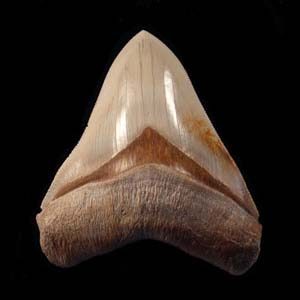
Collectors searching for Otodus megalodon in Indonesia will quickly notice one thing. Fossil shark teeth found across different regions of the country can vary significantly in their appearance and condition. Some display bold natural colors and near-perfect preservation. Others appear more weathered or worn. These variations are not random. They result from geological differences across Indonesian locations, particularly in areas such as West Java. For any collector aiming to make informed choices, understanding how location influences fossil quality helps avoid costly mistakes.
Fossil Traits Shift with Location and Environment
Indonesia’s terrain is characterized by layers of ancient marine sediment that once cradled species like Otodus megalodon. Fossils formed under these layers react differently depending on their surroundings. West Java is notable for its limestone-rich beds, which have cushioned and protected the teeth of its inhabitants for millions of years. In contrast, regions with shifting river systems may expose teeth to erosion, water movement, and mineral washouts. These environmental influences create distinct differences in tooth preservation, color, and structure from one area to another.
Otodus Megalodon and the Indonesian Fossil Connection
Otodus megalodon lived between three and twenty million years ago and remains one of the largest marine predators ever known. Its teeth, often surpassing six inches, are the only surviving parts of this extinct shark. Fossil hunters value them for both scientific insight and collectible appeal. Among global sources, Indonesia has emerged as a unique contributor. It produces specimens that differ in visual character and preservation. The West Java region has become especially renowned for its fossil finds, which combine aesthetic value with geological integrity.
West Java and Its Role in Fossil Preservation
West Java offers fossil beds with strong mineral content and stable environmental conditions. These create ideal circumstances for preserving enamel, serrations, and root formation. Many teeth from this region retain:
● Rich natural color tones like ochre, olive, and deep brown.
● Detailed serrations along the blade.
● Strong bourlette bands with minimal erosion.
Collectors often seek teeth from this location because the limestone matrix helps protect delicate features of the teeth. This reduces the need for restoration and raises buyer confidence in the specimen’s authenticity.
Comparing Regional Sources Within Indonesia
Some inland or riverbed regions also yield authentic megalodon teeth. However, conditions in those areas often result in more surface wear or dull coloration. Fossils may appear tumbled or show signs of transport through water flow. While these specimens still carry value, they appeal more to casual collectors or first-time buyers. Rarity and preservation remain essential. That is why experienced collectors often choose West Java finds when seeking a centerpiece fossil.
Collector Guidelines for Authenticity and Quality
Not every tooth meets the same standards. While some regions naturally protect fossil integrity, others expose the material to harsher elements. To evaluate a specimen effectively, collectors should:
● Inspect the enamel for smooth texture and natural sheen
● Feel for consistent serration edges along the blade.
● Examine the bourlette for natural contrast without visible fill.
● Check for surface wear that aligns with age, not restoration.
By reviewing these features, buyers can determine whether a tooth reflects natural preservation or has undergone heavy alterations.
Coloration Reflects Soil and Fossilization Conditions
Indonesian soil contains mineral variations that affect the final appearance of fossilized teeth. Unlike artificially treated specimens, authentic Indonesian teeth gain their colors from mineral absorption during fossilization. This gives many of them a unique patina that is rarely found in fossils from other parts of the world. Red, blue, gray, olive, or gold tones often appear naturally and offer distinct value in private collections. Many collectors appreciate the broad spectrum of natural coloration exhibited by Otodus megalodon in Indonesia, offering them more options to choose from based on their preferences and budgets.
The Influence of Regional Context on Purchase Value
Knowing the origin of a fossil can provide insights into its long-term value and condition. Teeth from West Java may carry more weight in the collector market, while those from more exposed regions tend to sell for less. This does not mean one is better than the other. It means buyers must match their goals with the features available.
Collectors often follow these principles when shopping:
● They match the specimen condition with the asking price.
● They look for fossil traits that reflect the site’s known preservation quality.
● They request details about the exact origin when buying high-value pieces.
This approach leads to more confident decisions and stronger collections over time.
Building Knowledge Before Building a Collection
Understanding how regional traits influence preservation enables buyers to navigate the fossil market with greater clarity and confidence. Indonesian megalodon teeth vary for many reasons, including geological makeup, soil conditions, and environmental exposure. Collectors who study these details learn how to identify fossils with the right mix of rarity, condition, and authenticity.
Final Words
Those who shop with intention, rather than impulse, often find pieces that hold value over time. The geological story within each region shapes the outcome. When buyers understand that link, they do not just collect a fossil; they collect a piece of history. They connect with their place in natural history.
By learning how Otodus megalodon in Indonesia differs across regions, collectors gain knowledge that protects their investment and adds meaning to each acquisition.
Footnote
Every fossil has a regional history. Collectors who understand how local soil, minerals, and conditions influence preservation can make more informed choices and build more valuable collections.






