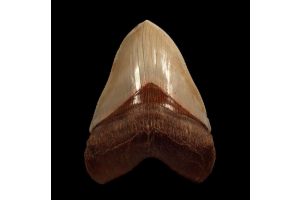
Page 5 - Home Page Latest Post
- - December 07, 2025
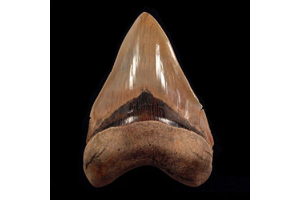
Beneath the ocean’s quiet surface lies a world that once trembled under the shadow of enormous predators. The megalodon, an apex predator that roamed prehistoric seas millions of years ago, continues to fascinate us through the remnants it left behind. Among these remnants, one artifact stands out above all—the world's largest megalodon tooth, a fossilized fragment of a creature so vast that it defies imagination.
This isn’t simply about a tooth; it’s about a window into an era when marine life reached scales that seem unreal today. Every fossil discovered adds a new layer to our understanding, but the tooth found off the Chilean coast redefines what was previously thought possible about the size and scope of this ancient shark.
A Glimpse Into a Prehistoric Ocean
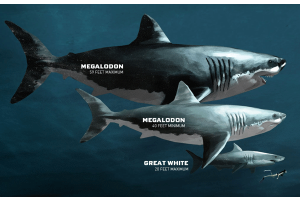
Imagine swimming in the Miocene epoch, around 20 million years ago, when colossal sharks dominated the seas. The megalodon was not merely large—it was monumental, estimated to reach lengths over 50 feet. Its teeth, serrated like
- - December 07, 2025
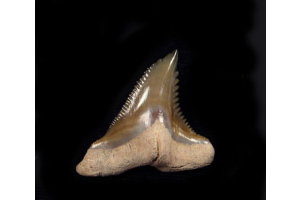
Oceans of the past were home to giants, and one of the best ways to understand them is through fossils. A baby megalodon tooth might be small, but it holds big clues about the early life of the largest predator in history. These tiny teeth can reveal how young sharks grew, what they ate, and how they survived in dangerous waters.
By studying a baby megalodon tooth, scientists can piece together the life story of a juvenile megalodon. Each fossil gives insights into ocean ecosystems millions of years ago. Even a small tooth is a window into a world that existed long before humans walked the earth.
Tiny Teeth, Big Clues
Even though a baby megalodon tooth is small, it carries important information. The shape, size, and serrations can tell scientists how young sharks hunted and what kind of prey they preferred.
Juvenile megalodons had to be smart hunters to survive. Studying a baby megalodon tooth helps researchers understand how these sharks avoided larger predators and thrived in a
- - December 07, 2025
Few things excite the imagination quite like discovering a link to Earth’s ancient past. Long before kids fall in love with dinosaurs or dream of exploring the ocean depths, there’s often a single spark—a moment that makes prehistory feel real, touchable, and full of wonder. That’s exactly what my first Megalodon can be: a tangible gateway to curiosity, discovery, and a lifelong fascination with fossils.
At Buried Treasure Fossils, we believe every collector, young or old, remembers the thrill of their first fossil. It’s that moment when history sits in the palm of your hand—millions of years old, yet completely yours. Our My First Megalodon collection was created to capture that feeling and turn it into an experience that inspires learning and adventure for years to come.
The Thrill of Holding Prehistoric Power
Imagine handing a child a fossilized tooth from one of the largest predators that ever lived—the mighty Carcharocles megalodon. This prehistoric shark ruled the oceans between
- - December 07, 2025
Collectors and fossil buyers want more than a big tooth. They want to own something real, something that carries the weight of time and truth. Teeth from the Otodus megalodon Copper Red Site stand apart for good reason. These fossils do not just offer impressive size or color. They provide natural evidence of a prehistoric predator. Buyers who understand what separates authentic from altered gain more than a rare specimen. They gain confidence in their investment and pride in their collection. Professionals trust their tools, eyes, and field knowledge to identify the real from the rest.
What Makes the Copper Red Color Stand Out
Color is the first visible clue that draws attention to a fossil tooth. Experts who work with Site 25 fossils pay close attention to color depth and texture. An actual Copper Red Megalodon tooth features a natural red to reddish-brown tone. That comes from iron-rich soil where the Tooth fossilized over time. The tone runs through both the enamel and root, not just
- - December 07, 2025
Picture yourself on a quiet beach, waves rolling in, the scent of salt in the air. As your foot brushes the edge of a dune, something hard and jagged emerges from the sand. It’s not a shell or a stone—it's large, dark, and triangular. What you’ve found is something much more extraordinary: a fossilized tooth once wielded by a creature larger than a school bus.
A relic like this pulls us into the ancient world of the megalodon—a shark so immense that it continues to captivate fossil hunters, collectors, and scientists alike. Among its remains, few artifacts are as prized as the 8-inch megalodon tooth, a rare glimpse into a prehistoric era where size and strength ruled the seas.
What Made the Megalodon a Giant Among Predators?
The megalodon wasn't merely a big fish—it was an oceanic apex predator that lived roughly 23 to 3.6 million years ago. With an estimated length of over 60 feet, this shark dwarfed most marine life that swam near it. Its teeth, unlike anything found in today's oceans,
- - December 07, 2025
Beneath the quiet blue of the ocean lies a world of forgotten stories—some whispered in coral canyons, others frozen in stone. Among the most awe-inspiring remnants of the prehistoric sea are the fossilized teeth of an ancient predator whose name still sends ripples through the scientific community: Otodus megalodon.
This creature may be long gone, but its shadow continues to loom large over marine history. These fossilized fragments don’t speak, yet they reveal volumes about one of the most dominant species ever to swim Earth’s oceans.
Let’s explore how these teeth help us piece together the life of a vanished giant.
A Predator Measured in Feet, Not Inches
Millions of years ago, a different ruler commanded the seas. With a body stretching up to 60 feet or more, this shark was larger than a school bus and had a bite that could crush a whale’s spine. While its skeleton—made of cartilage—left few traces, its teeth remain as nature’s evidence.
Unlike most shark species today, which boast
- - December 07, 2025
In our experience with fossil collecting, we have witnessed how certain discoveries capture curiosity more than others. Among them, the megalodon tooth remains one of the most extraordinary finds. These massive, serrated fossils have continued to fascinate collectors around the world.
Through our work, we have seen how some teeth possess a level of rarity and preservation that makes them suitable for auction. Understanding when a tooth deserves such distinction requires exploring the features that define its worth in the fossil market.
The Legacy of the Megalodon Tooth
The megalodon, classified under the genus Otodus megalodon, was once the largest known predator of the ancient oceans. It lived during the Miocene and Pliocene epochs and is believed to have reached lengths of nearly 50 to 60 feet. Because its skeleton was made of cartilage, only the teeth and a few vertebrae have survived as fossils. These teeth, often discovered in marine sediments, stand as powerful reminders of a time
- - December 07, 2025
Few places in the world capture the imagination of young fossil enthusiasts quite like Maryland’s Calvert Cliffs. Along these towering Miocene-aged cliffs, discoveries of ancient marine life tell stories of a prehistoric ocean that once teemed with life—and a predator that ruled them all: the Otodus megalodon from Calvert Cliffs. These colossal shark teeth not only excite collectors and budding scientists but also offer a powerful way to teach kids about change, adaptation, and the ever-evolving story of life on Earth.
Discovering History in Every Tooth
When children hold a fossilized shark tooth for the first time, they’re literally holding millions of years of natural history. At Calvert Cliffs, erosion reveals layer upon layer of marine fossils, from tiny fish vertebrae to whale bones—and, if you’re lucky, the legendary Megalodon tooth. Each specimen reveals something about the animals that lived, hunted, and adapted long before humans walked the Earth.
At Buried Treasure Fossils, we’re
- - December 07, 2025
The tall clay cliffs overlooking the Chesapeake Bay aren’t merely beautiful—they’re a secret vault of ancient treasures. Among the layers of sediment and shells lies something much more captivating: fossilized teeth from one of the largest sharks to ever roam Earth’s oceans. For beachcombers, paleontology enthusiasts, and curious souls alike, these rugged cliffs offer something special.
Between the waves and weather-worn ledges, there’s an unspoken promise: if you search long enough, you might uncover a tooth that once belonged to an apex predator now long gone. One such prize is the awe-inspiring Otodus megalodon Calvert Cliffs fossil. This tooth carries stories from a time when giants ruled the sea.
Let’s trace the roots of this ancient relic and understand what makes these coastal cliffs a magnet for fossil lovers.
A Brief Look at the Otodus megalodon
Before jumping into the geography, let’s meet the tooth’s original owner. The Otodus megalodon was a prehistoric shark that cruised warm,
- - December 07, 2025
Have you ever come across a fossil online or at a store and thought, “Is this real?” If you’ve been thinking of buying a megalodon tooth fossil, that question is even more important. With their massive size and prehistoric charm, these shark teeth are some of the most fascinating fossils on the market today.
But here’s the truth: many are not real. So how do you know if the megalodon tooth fossil you’re eyeing is the real thing? In this blog, we’ll walk through easy, practical ways to tell the difference between an authentic fossil and a fake.
Let’s begin by understanding why these fossils are so special and valuable.
Why So Many People Want a Megalodon Tooth?
The megalodon tooth fossil is more than just a collector’s item. It’s a piece of prehistoric history. Megalodons were enormous sharks, believed to grow up to 60 feet long. Their teeth, often larger than a human hand, are the only parts of their bodies that fossilized well.
Owning one means holding a piece of Earth’s past. These