Page 10 - Home Page Latest Post
- - December 04, 2025
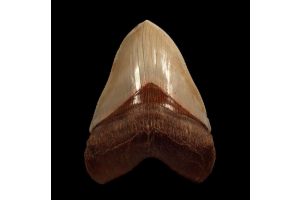
Beneath the waves of North Carolina’s ancient coastlines lies a treasure that bridges millions of years of history with today’s sense of luxury and personal style—the North Carolina Megalodon tooth. These fossilized remnants of the ocean’s most powerful predator embody both the mystery of prehistory and the enduring allure of natural strength. For collectors, fashion visionaries, and history buffs alike, a Megalodon tooth isn’t just a fossil—it’s a story of power, evolution, and artistic transformation that transcends time.
A Glimpse into Prehistoric Majesty
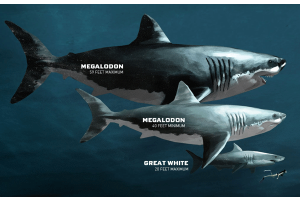
Long before humans walked the earth, the mighty Megalodon ruled the seas. Measuring up to 60 feet in length, this colossal shark was nature’s ultimate design for dominance. Its enormous jaws—capable of generating a bite force estimated at 180,000 newtons—made it the apex predator of its era. Yet what survives of this magnificent creature today are its fossilized teeth, each one a masterpiece of evolution.
In the sediment-rich coasts
- - December 04, 2025
If you have ever wanted to own a piece of ancient history, the Otodus megalodon, So. Carolina teeth are an incredible choice. These giant shark teeth are more than just fossils; they show us the power of one of the largest predators to ever swim the oceans. In this blog, we will explore what makes these teeth from South Carolina so special, why collectors love them, and how you can be part of this exciting prehistoric story.
What Is the Otodus Megalodon?
The Otodus megalodon was a giant shark that lived millions of years ago. It could grow over 60 feet long, which is longer than a school bus. Its teeth are huge and very sharp, with some teeth measuring over seven inches. These teeth are the most common remains we have of this massive shark because its cartilage skeleton did not fossilize well.
Many of these teeth come from the coastal areas of South Carolina. They are dark gray or black, showing how they fossilized in the region’s soil over thousands of years. These teeth are highly
- - December 04, 2025
A megalodon tooth is more than a fossil. It’s a handheld story from the prehistoric sea. It is science you can feel. It anchors a display, starts conversations, and teaches real-world paleontology. If you collect fossils or you’re about to start, this is the piece that lifts your collection. Here’s why, and how to choose confidently based on the Buried Treasure Fossils catalog.
An Eye-Catching Centerpiece
Megalodon was the largest shark to ever live. Its teeth can exceed 7 inches, with many prized examples between 5 and 6½ inches. That size alone makes a megalodon tooth the natural centerpiece of a shelf or case. The category page confirms these sizes and explains the species’ Miocene–Pliocene age and global presence, so you know what you’re looking at and why it impresses.
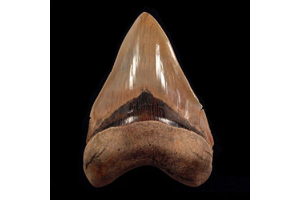
Collectors also love details. Heart-shaped crown. Fully serrated edges. A bourlette that can be present in striking colors. These cues are distinct to megalodon and help you learn to evaluate quality over time.
- - December 04, 2025
Buying a real megalodon tooth should feel exciting, not risky. This quick guide shows you how to spot fakes fast, then double-check with a few deeper tells. Every tip here aligns with what Buried Treasure Fossils sells and guarantees across its Megalodon category. They offer verified fossils from classic localities and even museum quality pieces with no restoration, so you have a solid benchmark to compare against.
The 60-Second Authenticity Check
Stand under natural light. Keep your phone flashlight handy. Then run through these rapid cues:
● Weight & “feel”: Real fossil teeth are mineralized. They feel dense for their size. Replicas often feel light or plasticky when tapped gently against a coin.
● Surface texture: Fossil enamel looks like stone. Slightly matte. Micro-pitted with age. Resin copies look too smooth or “glassy.”
● Serrations: Authentic Megalodon cutting edges show fine, evenly spaced serrations that taper toward the tip. Replicas often have soft, smeared, or repeating
- - December 04, 2025
Fossil collectors often search for more than just size or shape. They want character, geological history, and something visually striking. That is where a megalodon tooth in North Carolina stands apart. One glance at its deep red or copper color and curiosity follows. Why do these teeth look different from others found across fossil-rich regions? The answer lies below the surface. Red coloration does not happen by chance. It reflects millions of years of chemical processes, Earth's geological history, and a unique environment. Let us explore why these fossils carry such an eye-catching hue.
Red Coloration Begins in the Ground
Soil chemistry plays a significant role in the transformation of fossils over time. North Carolina offers a unique blend of sediment, water movement, and mineral composition. The ground here contains a higher concentration of iron compared to other regions. When a megalodon tooth rests buried in this iron-rich environment, it absorbs that element gradually. Over thousands
- - December 04, 2025
Long before diamonds and gold became status symbols, nature crafted treasures that told stories millions of years old. Among the most fascinating of these relics is the megalodon tooth necklace, a striking blend of science, style, and prehistory. This unique piece of jewelry captures the essence of the ancient oceans while celebrating the marvels of modern craftsmanship. At Buried Treasure Fossils, we take pride in connecting collectors, scientists, and enthusiasts with authentic specimens that are both awe-inspiring and educational.
A Glimpse Into the Prehistoric Ocean Giant
The Megalodon, whose name literally means “large tooth,” was one of the largest predators to ever exist. Estimated to reach lengths of up to 60 feet and weights exceeding 70 tons, this ancient shark roamed the oceans during the Miocene and Pliocene epochs. Its fossilized teeth — often measuring over seven inches — remain some of the most iconic and sought-after fossils in the world. The megalodon tooth necklace
- - December 04, 2025
Megalodon shark teeth are more than just remnants of a prehistoric predator — they are tangible pieces of Earth’s ancient history. At Buried Treasure Fossils, we take immense pride in offering an extraordinary collection of these iconic fossilized teeth. Whether you're a seasoned fossil collector or just beginning your journey into paleontology, the Megalodon tooth is a breathtaking artifact that deserves a place in your collection. Even a small Megalodon tooth offers a glimpse into a time when the ocean was ruled by this massive predator. Holding one of these teeth in your hand is like grasping a relic from a time when nature's giants roamed the seas.
As one of the largest predators ever to swim in Earth’s waters, the Megalodon was an awe-inspiring creature. Its teeth are not only impressive in size but also in detail, featuring the heart-shaped structure and serrated edges that make them easily recognizable and endlessly fascinating. At Buried Treasure Fossils, we make it possible for
- - December 04, 2025
Collectors today face a growing challenge in acquiring one particular fossil: the Aurora megalodon tooth. Known for its sharp preservation, striking coloration, and regional rarity, this fossil once flowed into collector markets through a reliable source. That source, the Lee Creek mine near Aurora, supplied tooth specimens with unmatched characteristics. However, as access to this site has closed and collector behavior has shifted, these prized fossils have become harder to find. Understanding why this change matters helps both new and seasoned fossil hunters navigate a tightening and more competitive marketplace.
Why the Aurora Megalodon Tooth from Lee Creek Stood Out for Discovery?
The Lee Creek mine earned global recognition for the fossilized marine life it preserved beneath its phosphate-rich layers. Among the many finds, the megalodon teeth stood out for their exceptional size, high-quality enamel, and region-specific colors. Collectors could identify the origin of many teeth at
- - December 04, 2025
Collectors often imagine unearthing a complete megalodon skeleton as the ultimate prize. The idea sparks excitement and curiosity. But here is the reality. Nature never left us with a complete megalodon shark skeleton. Unlike animals with bone-based skeletons, megalodons had cartilage frames. Cartilage does not last. It breaks down rapidly after death. The only parts strong enough to fossilize from this massive shark are its teeth and, in rare cases, its vertebrae. These are the real remnants available to collectors today. Understanding this difference between fantasy and fossil fuels lays the foundation for making informed choices.
What Actually Fossilized from the Megalodon Shark Skeleton?
In the world of fossils, buyers must know what actually survives from prehistoric creatures. Cartilage from sharks, including the megalodon, disintegrates before it has any chance to mineralize. That is why the fossil record never includes a complete megalodon skeleton. Museums do not own one. Scientists
- - December 04, 2025
When it comes to collecting fossilized shark teeth, few pieces carry the same weight, both literally and figuratively, as a genuine Megalodon tooth measuring six inches or more. These fossils are not just remnants of the largest predatory shark to have ever lived; they’re tangible links to the prehistoric world. As enthusiasts, we understand the excitement of adding such a prized specimen to your collection. That’s why knowing what to look for is key, especially when exploring listings that include a rare 7-inch megalodon tooth for sale (the largest examples of Otodus megalodon teeth exceed 7 inches in length and are extremely rare).
Whether you're a first-time buyer or a seasoned fossil collector, this guide will walk you through the most important factors to evaluate before making your investment.
Why the 6-Inch Mark Matters
A Megalodon tooth that reaches or exceeds six inches is exceptionally rare. Most fossilized teeth from this extinct shark species fall in the 3 to 5-inch range. Reaching