Page 2 - Other Fossils
- - November 10, 2025
At our fossil collection company, we take immense pride in presenting some of the most remarkable pieces of natural history, and among them, megalodon teeth continue to hold a special place. As collectors, researchers, and enthusiasts, we have seen how these extraordinary fossils captivate people worldwide. The fascination lies not only in their enormous size and rarity but also in the incredible history each tooth carries.
Over the years, megalodon teeth have become more than collectible fossils; they are tangible connections to one of the ocean’s most dominant predators and a symbol of prehistoric power and beauty. Understanding the value of megalodon tooth adds depth to this fascination, as it reflects both the rarity and historical significance of these ancient relics.
A Window into Prehistoric Power
Megalodon teeth provide a direct connection to an ancient world dominated by a giant shark that once ruled the seas. These fossils are physical reminders of a species that inspired awe
- - November 10, 2025
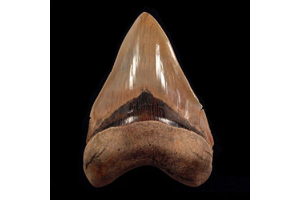
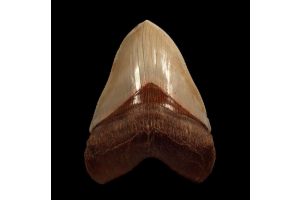
Few fossils capture the imagination quite like a black Megalodon tooth. These teeth belonged to the Megalodon, an ancient shark that dominated the oceans millions of years ago. Today, finding a tooth with a deep, jet-black color is truly special and rare, making it a prized possession for collectors and fossil enthusiasts alike.
In this blog, you will discover what makes the black Megalodon tooth so unique, how to recognize an authentic specimen, and where to find the best ones for sale. Whether you’re new to fossil hunting or a seasoned collector, this guide will give you fresh insights into owning a piece of prehistoric power.
What Makes the Black Megalodon Tooth So Special?
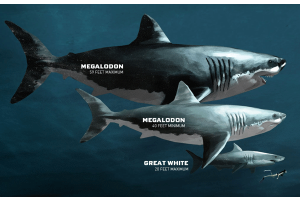
The Megalodon was one of the largest predators to ever swim the seas. It lived around 5 to 15 million years ago and grew up to 60 feet long or more. While many Megalodon teeth have been found, only a few turn jet black over time.
This deep black color happens during fossilization when minerals replace the tooth’s
- - November 10, 2025
In our field, understanding the difference between damage and true growth anomalies is both a science and an art. We often encounter specimens that challenge perception and redefine how natural formation is understood. Among shark teeth, particularly those belonging to the Otodus genus, pathological examples tell fascinating stories hidden within their irregular forms. These rare fossils can easily be mistaken for damage, yet they represent genuine biological variations that occurred during the shark’s life.
Our dedication to uncovering these unique details helps others appreciate the subtle distinction between damage and pathology. Collectors searching for a pathological megalodon tooth for sale often find that these teeth reflect not damage, but rare natural formation shaped by the forces of evolution.
When Nature Creates Its Own Mysteries
A pathologic tooth is not a broken remnant of prehistory but a biological curiosity that speaks of adaptation. The catalog from which this information
- - November 09, 2025
There’s something truly magical about holding a piece of Earth’s ancient history in your hand — a glimpse into a time when colossal predators ruled the seas. Among these incredible relics, Sharktooth Hill Megalodon tooth fossils stand out as extraordinary tools for teaching children about evolution, adaptation, and the dynamic story of life on Earth. At Buried Treasure Fossils, we’re passionate about how these fossils not only capture young imaginations but also offer hands-on lessons in science, geology, and environmental change.
Discovering the Fascinating World of Sharktooth Hill
Nestled north of Bakersfield, California, Sharktooth Hill is one of the richest Miocene-age fossil sites in the world. Around 12 to 15 million years ago, this region was submerged under a vast, warm ocean teeming with marine life — from ancient whales and sea lions to the most feared predator of all, the Megalodon. Today, the Sharktooth Hill Megalodon tooth remains one of the most remarkable remnants from
- - November 09, 2025
When you hear the name megalodon, you might imagine giant bones lying on the sea floor. But if you dig into fossil science, you’ll see that we rarely find a full megalodon shark skeleton or the full megalodon shark jaw. That fact alone changes how you think about fossils and ancient oceans. We’ll explore why these remains are so rare, what we do find, and how those finds help us understand the past.
Sharks, Bones, and Cartilage: Why We Don’t Find the Whole Beast
Unlike land animals, sharks don’t build their bodies on hard bones. Their structure is mostly cartilage, the same soft tissue you find in your nose or ears. That cartilage breaks down after death, long before it can fossilize. So instead of a full megalodon shark skeleton appearing in the rock layers, we get only durable parts. Among those, the most common survivors are teeth, and sometimes fragments of the megalodon shark jaw.
Because of how fossils form, the full megalodon shark skeleton is essentially lost forever. Even
- - November 09, 2025
Have you ever imagined holding a real piece of ancient ocean history in your hands? That’s what it feels like to find or own alpha megalodon tooth. These fossils come from one of the largest and most powerful sharks that ever lived.
In this guide, you’ll learn how to find, recognize, and care for these rare teeth. Whether you're a beginner or a seasoned fossil hunter, you’ll find helpful tips and new ideas to take your collecting skills to the next level.
Let’s get started.
What Is an Alpha Megalodon Tooth?
The megalodon shark lived over 3 million years ago. It could grow up to 60 feet long and had some of the largest teeth in the animal kingdom. Among these, the alpha megalodon tooth is the biggest and most valuable type.
The word “alpha” means it came from one of the strongest and possibly oldest sharks of its kind. These teeth can be over six inches long, thick, and wide. They were built for power and designed to crush large prey like whales and sea turtles.
Collectors love these
- - November 09, 2025
Collectors and fossil buyers do not look for decorations. They search for authenticity. A real Megalodon tooth stands apart because it holds the raw signature of time. You can feel it in the weight, see it in the enamel, and trace its story through natural wear that no copy can fake. No mold, no paint, and no machine can imitate millions of years beneath the Earth. That is why buying without proof opens the door to disappointment. When you explore genuine megalodon teeth for sale, always focus on proof of origin and condition before you buy. The rise of replicas makes knowledge your best tool. If you want truth in your hands, you must shop with that mindset.
Replicas Hurt More Than Just Value
The problem is not just aesthetics. It is trust. Many sellers post bold claims with no factual background. They offer low-priced fossils that look right in photos but arrive as resin casts. These imitations mislead first-time buyers and frustrate serious collectors. If you invest in fossils without
- - September 21, 2025
Dolphin teeth fossils are not just remnants of ancient marine life—they’re fragments of an evolutionary journey etched in enamel. Their rarity, size, and species diversity set them apart from more commonly encountered marine fossils. As fossil specialists, we’ve long recognized the allure of shark teeth among collectors. Still, dolphin teeth occupy a far more elusive space, adding layers of complexity and fascination to any collection. If you're scanning through displays or listings with a keen eye, spotting a dolphin tooth for sale often signals you’re looking at something far less common than most marine offerings.
Let’s explore how dolphin teeth fossils compare to other iconic marine relics like shark teeth and whale bones, and why these slender fossils hold deep value for collectors, historians, and enthusiasts alike.
The Elusive Nature of Dolphin Teeth Fossils
Unlike shark teeth, which are frequently found due to the high rate at which sharks naturally shed them, dolphin teeth are
- - September 21, 2025
Long before humans roamed the Earth, the oceans teemed with a vast array of fascinating life forms. Among these were Orthoceras—extinct marine cephalopods that thrived over 400 million years ago. Their fossilized remains, preserved within stone, offer us a striking connection to that prehistoric world. Today, fossil collectors, interior designers, and natural history enthusiasts cherish Orthoceras specimens not only for their scientific significance but also for their natural beauty. After all, holding a polished fossil in your hand is like having a fragment of time itself.
For anyone seeking authentic treasures, choosing an orthoceras fossil for sale is more than just a purchase—it is an invitation to own a piece of Earth’s geological heritage.
The Science Behind Orthoceras Fossils
Orthoceras, meaning “straight horn,” were ancient relatives of squid and octopuses. Their elongated shells grew chamber by chamber, each filled with gas to aid buoyancy. As these creatures died and settled
- - September 21, 2025
Have you ever imagined holding a piece of one of the most fearsome predators that ever lived? Something real—not from a movie or a museum, but something you can actually own. That’s the thrill of owning a Tyrannosaurus rex tooth. It’s not just a fossil; it’s a story millions of years in the making.
These teeth aren’t just bones stuck in stone. They’re sharp, beautifully preserved relics of a time when dinosaurs reigned supreme on Earth. And for collectors, fossil lovers, and science fans alike, a Tyrannosaurus rex tooth represents the ultimate prehistoric prize.
Let’s explore why this fossil stands out—and why it might just deserve a place in your collection.
Why the T. rex Still Reigns Supreme?
The Tyrannosaurus rex is more than a pop culture icon. It was the apex predator of its time—growing up to 40 feet long and equipped with a bite force stronger than any land animal living or extinct. But the real evidence of its power? Its teeth.
A single Tyrannosaurus rex tooth could measure