

When you hear the name megalodon, you might imagine giant bones lying on the sea floor. But if you dig into fossil science, you’ll see that we rarely find a full megalodon shark skeleton or the full megalodon shark jaw. That fact alone changes how you think about fossils and ancient oceans. We’ll explore why these remains are so rare, what we do find, and how those finds help us understand the past.
Sharks, Bones, and Cartilage: Why We Don’t Find the Whole Beast
Unlike land animals, sharks don’t build their bodies on hard bones. Their structure is mostly cartilage, the same soft tissue you find in your nose or ears. That cartilage breaks down after death, long before it can fossilize. So instead of a full megalodon shark skeleton appearing in the rock layers, we get only durable parts. Among those, the most common survivors are teeth, and sometimes fragments of the megalodon shark jaw.
Because of how fossils form, the full megalodon shark skeleton is essentially lost forever. Even a megalodon shark jaw in good condition is extremely rare. When researchers do find jaw pieces, they use them to rebuild the giant mouth in models and museum displays.
What Fossils Survive and Why People Chase Them?
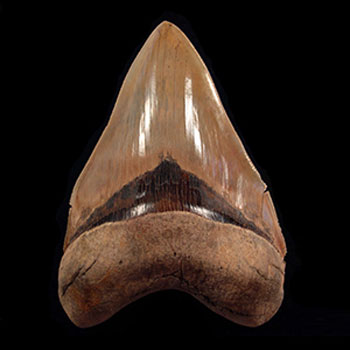
So, if the full megalodon shark skeleton is gone, what remains? Mostly teeth. Teeth are made of hard enamel and are much harder to break down than cartilage. They fossilize more readily. That is why megalodon shark jaw pieces, when found, tend to be fragments holding multiple teeth or bits of the bone around the teeth. Collectors and scientists prize these because they offer a glimpse into how big the shark’s mouth was and how its feeding worked.
Those fossils arrive in many sizes and colors, depending on where they were buried. You’ll see gray, black, tan, or red teeth. A fragment of megalodon shark skeleton is worth much more if it also includes part of the megalodon shark jaw. Even a single well‑preserved tooth next to jaw fragments can tell a clear story about the shark’s life, growth, and environment.
How Big Was the Megalodon Mouth?
When experts reconstruct a megalodon shark skeleton, even if only partially, they often start with the megalodon shark jaw. That jaw, when teeth are in place, could span over ten feet wide. Imagine standing inside that opening. It’s a thrilling thought.
Those jaw reconstructions help us measure bite force, estimate the size of prey, and compare megalodon to modern sharks. Because the megalodon shark skeleton is mostly missing, scientists rely on jaw fossils and tooth positions to make educated guesses about the skull, muscles, and how the shark moved its head. When you hold or see a model of a reconstructed megalodon shark jaw, you feel a connection to a creature that once ruled the seas.
Where Fossils Turn Up and What They Tell Us?
Although we cannot find the full megalodon shark skeleton, we find its remains in many places on Earth. Coastal rivers, ancient seabeds, quarries, and ocean sediments all yield teeth and jaw fragments. Sites in North Carolina, Peru, Indonesia, and South Carolina have produced dozens of megalodon shark jaw pieces along with teeth.
Each find adds information. A jaw piece from Peru might show different wear or color than one from North Carolina. By comparing, scientists can track how megalodon evolved across regions. Even without a complete megalodon shark skeleton, we build a map of its life, where it lived, what it ate, and how populations changed. Fragments of megalodon shark jaw help fill gaps in that map.
How Scientists Reconstruct the Skull Without Bones?
Rebuilding a megalodon shark skeleton from scattered bits sounds impossible, but paleontologists use modern sharks and models to fill holes. First, they assemble as much of the megalodon shark jaw as possible from fossil fragments. Then, they layer in muscles, skin, and cartilage based on related living sharks.
Using scans and 3D printing, they recreate missing pieces. Over time, they refine models until they have a plausible full skull. Though the rest of the megalodon shark skeleton, the vertebrae, ribs, and fins, rarely survive, models draw from comparisons with shark relatives and what the jaw suggests about size and power.
Why These Fossils Matter More Than You Think?
You might wonder, “If we never find the full megalodon shark skeleton, is this important?” The answer: absolutely. Every fragment of megalodon shark jaw, every tooth, gives us clues about Earth’s past oceans. They tell us about climate, marine life, migration, extinction, and even how sharks adapted to changing seas.
Fossils from megalodon shark skeleton parts challenge and refine theories about prehistoric ecosystems. They help educators inspire students. They push technology forward through imaging and modeling. The pursuit of a megalodon shark jaw specimen connects hobbyists, scientists, museums, and storytellers.
How Collectors and Museums Acquire These Fossils?
Because full megalodon shark skeletons do not exist, collectors and museums compete for teeth and jaw fragments. Reputable fossil retailers and institutions follow strict protocols to verify authenticity. A megalodon shark jaw fragment may come with documentation of its origin and age.
Displays often show teeth arranged in a jaw outline. Some exhibits allow visitors to see or touch a cast of a megalodon shark skeleton skull. Certain displays include comparisons to modern shark jaws to highlight changes over millions of years. These exhibits make the extinct creature feel real.
If you ever plan to purchase a fossil, always ask for provenance, condition reports, and authenticity certificates. A real fragment of megalodon shark jaw is rare, and verifying it protects you from fakes.
Tips for Beginners Who Want to Study or Collect
If you’re new to fossil collecting and want to explore megalodon shark skeleton parts or megalodon shark jaw fragments, here are a few tips:
1. Start small. Find an affordable tooth before chasing expensive jaw pieces.
2. Research your site. Know where fossils have been discovered in your area.
3. Handle carefully. Fossils can be fragile — wear gloves and use soft brushes.
4. Join a fossil club. Sharing knowledge helps you avoid mistakes.
5. Ask for documentation. Always demand age, origin, and authenticity when buying a megalodon shark jaw fragment.
These steps help you collect with confidence even though a complete megalodon shark skeleton is off the table.
What the Future Holds for Megalodon Fossils?
New technologies may give us surprises despite the missing megalodon shark skeleton. CT scans, DNA residue detection, and improved imaging may reveal hidden features on jaw fragments. Undersea explorations might uncover deeper fossil beds that hold rare megalodon shark jaw parts.
Though we may never see a full megalodon shark skeleton, each new find nudges our understanding forward. One day, a jaw piece we thought incomplete might reveal a new connection or a clue about megalodon’s behavior.
Your interest in fossils helps sustain that search.
Final Thoughts: A Legacy of Teeth and Jaws
The fact that we don’t have a full megalodon shark skeleton doesn’t make the story less amazing. In fact, the survival of megalodon shark jaw fragments and giant teeth is more miraculous. Those pieces speak across millions of years to teach us about an ocean predator unlike any today.
When you next see a fossil display or shop online, remember: every bite‑shaped tooth and every jaw remnant carries a message from the deep past. That message can shift how you see fossils forever. Even without bones, megalodon still commands the seas of our imaginations.






