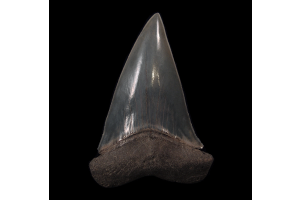
Page 76 - Megalodon
- - September 21, 2025
The fascination with giant sharks from prehistory has never faded, and few fossils capture the imagination quite like the teeth of the mighty Megalodon. These fossilized relics, sometimes spanning more than seven inches, are more than just collectibles—they are windows into the ancient oceans where colossal predators once reigned. For collectors and history enthusiasts alike, the question often arises: how much does a megalodon tooth cost, and how has that answer shifted through time as new discoveries surfaced along coasts from Florida to Chile? The story of their value stretches from centuries-old myths to today’s thriving fossil market.
From Dragon Tongues to Scientific Marvels
Long before the fascinating field of paleontology came into being, fossilized shark teeth captivated coastal communities, sparking wonder and curiosity. In the enchanting medieval era of Europe, people spun tales around these unusual, jagged treasures, believing they were the mystical “tongues of dragons” or
- - September 21, 2025
At Buried Treasure Fossils, we are proud to offer an extraordinary selection of authentic fossils from the renowned Sharktooth Hill fossil beds in California. Our carefully curated collection includes rare and beautifully preserved specimens such as shark teeth, sea lion, dolphin, and whale fossils. Among the most sought-after pieces in our inventory is the Sharktooth Hill Megalodon tooth, a captivating relic that speaks volumes of Earth’s prehistoric marine past.
Sharktooth Hill, located north of Bakersfield, California, is widely recognized as one of the most important fossil sites in the world. These fossil beds contain a dense concentration of marine fossils dating back to the middle Miocene epoch, approximately 12 to 15 million years ago. What makes this site so special is not just its age or abundance, but the incredible quality of preservation and the rich, earthy hues that the fossils take on after spending millennia buried in silt.
A Fossil Site Steeped in Natural History
The
- - September 21, 2025
Long before humans began exploring the oceans, colossal predators shaped marine ecosystems in ways we are still discovering today. Among the most remarkable relics of that ancient past are fossilized shark teeth, particularly the black Megalodon tooth, which tells a story stretching from the Miocene to the Pliocene. These fossils are not only stunning collectibles but also vital scientific windows into the lives of the most powerful shark that ever lived. At Buried Treasure Fossils, we are passionate about making these prehistoric treasures accessible to students, educators, and amateur paleontologists who want to connect with Earth’s history.
Megalodon: Apex Predator of the Ancient Seas
The Megalodon, scientifically referred to as Otodus megalodon or Carcharocles megalodon, ruled the oceans as the formidable sovereign of marine life from approximately 20 to 3 million years ago. This astonishing shark, capable of reaching lengths of up to 60 feet, overshadowed nearly all contemporary marine
- - September 21, 2025
Standing at the top of the prehistoric food chain, the Megalodon was a true giant of the seas. Among the most fascinating remnants of this shark are its fossilized teeth, which range in size from modest finds to massive specimens. Within the first 60 words, collectors often wonder about the difference between an 8 inch Megalodon tooth and a 6 inch Megalodon tooth—and what each size truly reveals about the power and scale of this apex predator.
Why Tooth Size Matters in Megalodon Studies
Megalodon teeth are more than just collector’s items—they are scientific windows into the shark’s size, feeding habits, and evolutionary history. A tooth measuring 6 inches already suggests an enormous shark that may have stretched over 50 feet long. But when a specimen reaches 8 inches, it points to a truly colossal individual, perhaps nearing the upper size limits of the species.
For researchers, these measurements help reconstruct the predator’s anatomy. For enthusiasts, they offer an awe-inspiring
- - September 21, 2025
When it comes to fossil shark teeth, few regions in the world can rival the quality, condition, and beauty of those found in southern Peru. At Buried Treasure Fossils, we are proud to offer a handpicked selection of Peru Megalodon tooth specimens and other incredible shark teeth fossils. These teeth come from legendary formations such as the Pliocene-aged Pisco Formation near Sacaco and the Miocene-aged Caballos Formation near the Rio Ica region. Each fossil we offer carries not only millions of years of prehistoric history but also the distinct allure of Peru’s ancient coastal ecosystems.
We specialize in providing authentic fossil shark teeth, including iconic species such as Carcharocles auriculatus, Carcharocles chubutensis, and the awe-inspiring Megalodon. These specimens are known for their exceptional preservation, vivid coloration, and striking natural patterns—characteristics that make Peruvian fossils stand out in any collection.
A Fossil Legacy in the Deserts of Southern
- - September 21, 2025
The Megalodon shark has long fascinated fossil collectors, marine enthusiasts, and paleontology hobbyists alike. As the largest known prehistoric marine predator, this ancient shark dominated the oceans millions of years ago. While its immense size and power are the subject of awe, it is the fossilized teeth of the Megalodon that continue to capture attention. At Buried Treasure Fossils, we proudly offer a curated collection of these impressive fossils — and a Megalodon shark tooth is likely to be the most formidable fossil in any collection.
With some teeth measuring over 6 inches — and the rarest ones reaching more than 7 inches — these relics are tangible remnants of a prehistoric titan. Not only do they offer a unique window into the Earth’s past, but they also stand as prized collectibles for those who admire the strength and mystery of ancient life beneath the sea.
Here are a few aspects to consider:
Meet the Apex Predator of Prehistory
The Megalodon, meaning “large tooth,” earned
- - September 21, 2025
At Buried Treasure Fossils, we specialize in offering some of the most extraordinary fossil shark teeth ever discovered—6 inch and larger Megalodon teeth. These exceptional specimens are more than just ancient relics—they are true treasures from the deep past. One of the most common questions we hear from enthusiasts and collectors alike is: how big was the Megalodon tooth? The answer lies not only in measurements but in the awe-inspiring presence these fossils command. Our collection includes teeth that exceed 6 inches in length, with the rarest examples topping 7 inches—true giants among fossilized remains.
These massive teeth once belonged to the undisputed apex predator of the Miocene and Pliocene seas: the Otodus megalodon. Estimated to have reached body lengths of over 50 feet, this shark reigned supreme in the oceans for millions of years. At Buried Treasure Fossils, we are proud to offer a hand-selected range of extra-large, museum-quality Megalodon teeth that embody the majesty
- - September 21, 2025
When it comes to collecting marine fossils, few specimens captivate collectors like the ancient shark teeth from the phosphate-rich Caldera region of the Atacama Desert in northern Chile. At Buried Treasure Fossils, we are proud to offer an exceptional collection of fossil shark teeth from this world-renowned site, including the highly sought-after Chile Megalodon tooth. These remarkable fossils date back to the late Miocene to lower Pliocene (approximately 4 to 6 million years ago), specifically from the Bahia Inglesa Formation. The combination of superb preservation, vivid coloration, and species diversity makes these teeth among the finest marine fossils known to collectors.
A World-Class Fossil Locality in Northern Chile
The Caldera phosphate mining area, near Copiapo in north-central Chile, has long been recognized for its geological richness. This land-based site, now a protected natural preserve, once yielded one of the most diverse and well-preserved marine fossil assemblages on
- - September 21, 2025
Throughout human history, the mystery of fossilized Megalodon teeth has captured the imagination of scientists and collectors alike. Long before these ancient remnants were understood to be shark teeth, early Europeans believed they were the petrified tongues of dragons or even pieces of the moon. It wasn’t until the late 1600s that these formidable fossils were correctly identified as the teeth of an enormous prehistoric shark — the Megalodon. Today, when you see Megalodon teeth for sale at Buried Treasure Fossils, you’re looking at a direct link to one of Earth’s most dominant marine predators. Whether you’re admiring a massive 7-inch specimen or a small Megalodon tooth, each fossil tells a powerful story about life in Earth’s ancient oceans.
A Glimpse Into the Past: What Makes Megalodon Teeth Unique?
The Megalodon was a true leviathan of the deep, measuring up to 60 feet in length — making it the largest shark species to have ever existed. Living during the Miocene and Pliocene epochs,
- - September 21, 2025
For fossil collectors, few pieces are more captivating than an authentic great white shark tooth. At Buried Treasure Fossils, we specialize in offering top-quality fossilized teeth from the iconic Great White shark, Carcharodon carcharias. Whether you’re a seasoned collector or just starting your fossil journey, a Great White tooth is a centerpiece worth cherishing. We proudly provide rare and beautifully preserved specimens sourced from South Carolina, North Carolina, Chile, and Peru — all regions known for their exceptional fossil deposits.
Our collection features real, fossilized teeth with rich coloration, perfect serrations, and striking triangular crowns. These fossils are not only stunning but also authentic — a true representation of one of nature’s most legendary ocean predators.
The Great White Shark: A Fossil Icon
The Great White shark is a name that sparks awe. Known for its formidable presence in the ocean, this species has left behind a fossil legacy that collectors worldwide