

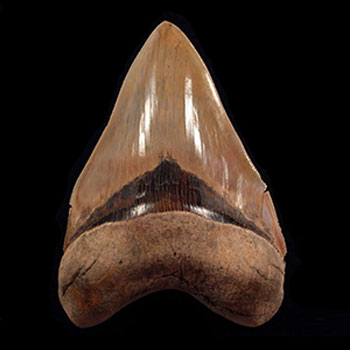
Among the many fossils that fascinate collectors, scientists, and enthusiasts alike, few hold the same commanding presence as a megalodon shark tooth. These remarkable specimens are not only extraordinary in size but also represent one of the most powerful predators that ever lived. To study or own such a fossil is to connect with a prehistoric era when the oceans were ruled by a shark that reached lengths of up to 60 feet and was capable of a bite force unmatched in natural history.
Megalodon teeth are more than relics; they are lasting symbols of nature’s grandeur, surviving millions of years beneath shifting seas and continents. Their durability, striking form, and rich historical value continue to make them some of the most sought-after fossils in the world today. For collectors, teachers, scientists, and enthusiasts, they provide both a tangible piece of prehistory and a fascinating subject of study.
The Apex Predator Behind the Tooth
During the Miocene and Pliocene periods, the megalodon, sometimes known as the “mega-tooth shark,” ruled the seas. At an estimated 50 to 60 feet long and weighing up to 70 tons, it dwarfed the modern great white shark. Its immense size, combined with teeth often exceeding six inches, allowed it to prey on whales and other marine mammals with ease.
To put its power in perspective, scientists estimate its bite force at up to 180,000 newtons. That is more than ten times the bite strength of today’s great white. The serrated edges of a megalodon shark tooth were evolutionary tools designed for tearing through flesh and bone, leaving clear evidence of its hunting prowess.
Why Teeth Survive When Bones Do Not
Unlike dinosaurs, which left behind a wealth of skeletal remains, sharks are cartilaginous fish. Their skeletons are composed mostly of cartilage, which decomposes before fossilization can occur. Teeth, however, are mineral-rich and resistant to decay. Over millions of years, they fossilized into the extraordinary specimens collectors and scientists prize today.
Because sharks shed thousands of teeth throughout their lives, a single megalodon could have lost more than 20,000 teeth. This abundance is one reason megalodon fossils continue to surface worldwide—from North America to South America, Europe, Africa, and Asia.
The Enduring Fascination
What sets these teeth apart from other fossils is the sense of awe they inspire. A fossilized clam shell may be scientifically interesting, but it rarely leaves an impression like a six-inch tooth capable of reminding us of oceans ruled by giants. Each specimen is more than a fossil; it is a story of power, survival, and deep time.
For scientists, these teeth unlock vital information about megalodon diets, habitats, and evolutionary lineage. For collectors, they are tangible proof of one of Earth’s greatest predators. For teachers and students, they serve as captivating educational tools, sparking curiosity about prehistoric life and marine ecosystems.
From Superstition to Science
Before modern paleontology, megalodon teeth were shrouded in mystery. In medieval Europe, they were called “tongue stones” and believed to be remnants of dragons or mythical beasts. Some cultures believed they were celestial objects that had fallen from the sky. It was not until the 17th century that naturalists correctly identified them as shark teeth.
This long history of myth and discovery only adds to their allure. Each megalodon shark tooth represents centuries of wonder, speculation, and eventual scientific clarity. They remind us how far our understanding of natural history has come—and how much imagination fossils can inspire.
A Collector’s Treasure
For fossil collectors, owning a megalodon tooth is often the pinnacle of their journey. Smaller specimens, ranging from two to three inches, make excellent entry points for new enthusiasts. Larger, well-preserved teeth—especially those exceeding six inches—are highly prized, often becoming centerpiece items in private collections and museum displays.
Every tooth carries unique features influenced by the environment in which it fossilized. The mineral content can alter the color, resulting in specimens ranging from jet black to rich red, golden brown, or even pale cream. These natural variations make each tooth distinct and highly collectible.
The Science in the Serrations
Examine a tooth closely, and the details become even more remarkable. The serrated edges are often perfectly preserved, even after millions of years. These serrations tell stories about how the megalodon fed, allowing scientists to reconstruct hunting strategies and prey preferences. Some teeth even show microscopic wear that suggests repeated encounters with hard bone.
This marriage of beauty and function makes them appealing not only as collector’s items but also as scientific tools. Each fossil is a piece of evidence in the ongoing study of prehistoric marine ecosystems.
A Global Fossil With Local Ties
One reason for their popularity is accessibility. Megalodon teeth have been discovered worldwide, but some of the most famous localities include North Carolina’s rivers, South Carolina’s coastal plains, Florida’s beds, Peru’s cliffs, and Indonesia’s quarries. Each location produces fossils with distinctive colors and preservation qualities, giving collectors the opportunity to choose specimens that match their taste and budget.
At Buried Treasure Fossils, we offer teeth from many of these celebrated regions, guaranteeing authenticity and providing collectors with a trusted source for high-quality specimens.
Why They Remain So Popular
The appeal is not hard to understand. These fossils are durable, accessible at different price points, and striking to display. Yet their true power lies in the emotions they evoke. To hold a megalodon shark tooth is to feel history in your palm, to connect with a predator that ruled oceans millions of years ago.
For collectors, teachers, or enthusiasts, these fossils serve as conversation pieces, investments, and educational resources. They offer something rare in today’s world: a direct link to the awe-inspiring past of our planet.
Bringing Prehistory Into Your Home
This is where our expertise comes in. At Buried Treasure Fossils, we are committed to sourcing and curating authentic megalodon teeth for collectors at every level. Our inventory ranges from affordable entry-level specimens to rare, museum-quality teeth that exceed six inches in length. Each fossil is guaranteed authentic, with many accompanied by custom display stands.
We also take pride in offering a wide selection from different localities—Florida, Georgia, North Carolina, South Carolina, Peru, Chile, and Indonesia—so you can find a tooth that resonates with your collecting goals. For new collectors, smaller teeth provide an excellent starting point. For seasoned enthusiasts, our rare specimens bring prestige and unmatched history to any collection.
By choosing from our collection, you are not only purchasing a fossil. You are preserving a legacy, owning a piece of natural history that connects you directly to one of Earth’s greatest predators.
Conclusion: The Bite That Lasts Forever
The megalodon may be extinct, but its teeth ensure its story continues. They are fossils that transcend simple curiosity, drawing collectors, scientists, and enthusiasts into the vast narrative of life on Earth. A megalodon shark tooth is more than an artifact—it is a reminder of the power, mystery, and scale of prehistoric oceans.
When you add one to your collection, you are doing more than acquiring a fossil. You are bringing the legacy of the largest shark that ever lived into your life. At Buried Treasure Fossils, we are honored to provide specimens that keep this extraordinary story alive.






