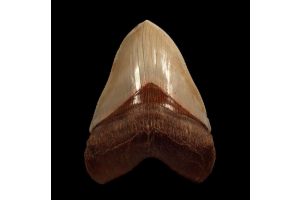
Page 4 - Megalodon
- - December 07, 2025
Nature doesn’t always shout its secrets. Sometimes, it whispers them through ancient sediment, buried far below the surface where time has quietly passed. One such whisper rises from a dry stretch of land in central California—a site with layers of history pressed into the soil. Long ago, before mountains rose and deserts formed, this place was submerged beneath a shallow sea teeming with extraordinary marine life.
Somewhere deep within that sea's fossilized remains, collectors might discover something rare and thrilling—the Sharktooth Hill megalodon tooth. This treasure feels both ancient and alive in its presence.
A Land That Was Once an Ocean
Sharktooth Hill, nestled near Bakersfield, is far from the ocean today. But nearly 15 million years ago, it sat at the bottom of the Temblor Sea. This prehistoric body of water spanned what is now California’s Central Valley, and its depths were teeming with sharks, whales, sea lions, rays, and an astonishing array of marine life.
What makes Sharktooth
- - December 07, 2025
At our organization, we have dedicated our efforts to studying and preserving the wonders of the prehistoric ocean, and one of the most fascinating discoveries involves megalodon tooth ledges. These incredible formations reveal much more than fossilized teeth. They help us understand how ancient seas changed over millions of years. Through these ledges, we can see traces of temperature shifts, evolving marine life, and patterns of ocean movement during the Miocene and Pliocene epochs.
Each ledge contains several layers of sediment that were deposited on the ocean floor over vast periods. Within these layers lie teeth, shells, and other remains of marine organisms that lived and died as conditions changed. As sediments continued to build up, older layers were slowly buried by newer ones, creating a geological record that reflects the transformation of marine environments through time.
A Stratified Chronicle of Ocean History
The layered structure of these ledges allows scientists to piece
- - December 07, 2025
Have you ever come across a fossil online or at a store and thought, “Is this real?” If you’ve been thinking of buying a megalodon tooth fossil, that question is even more important. With their massive size and prehistoric charm, these shark teeth are some of the most fascinating fossils on the market today.
But here’s the truth: many are not real. So how do you know if the megalodon tooth fossil you’re eyeing is the real thing? In this blog, we’ll walk through easy, practical ways to tell the difference between an authentic fossil and a fake.
Let’s begin by understanding why these fossils are so special and valuable.
Why So Many People Want a Megalodon Tooth?
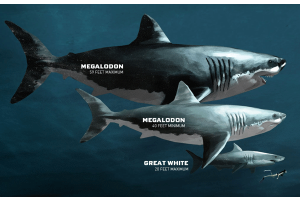
The megalodon tooth fossil is more than just a collector’s item. It’s a piece of prehistoric history. Megalodons were enormous sharks, believed to grow up to 60 feet long. Their teeth, often larger than a human hand, are the only parts of their bodies that fossilized well.
Owning one means holding a piece of Earth’s past. These
- - December 07, 2025
Collectors who search for a pathological megalodon tooth for sale are not after just another shark fossil. They want something different. Something with a story. A pathological tooth offers that. It comes with naturally formed irregularities that reflect stress, trauma, or abnormalities the shark experienced during its life. That is what separates these fossils from the rest. They are real, they are rare, and they are uniquely shaped by nature itself.
While some sellers misuse the term “megalodon," the truth is clear. The fossils available through this site come from Otodus obliquus, a powerful ancestor of the megalodon. These teeth originate from well-known Moroccan phosphate deposits that yield exceptional and verifiable pathological specimens. Buyers seeking authenticity and distinction often turn to these exact pieces for their fossil collections.
Understanding What Makes These Teeth Pathological
A fossil tooth earns the label "pathological" when its shape shows signs of abnormal
- - December 07, 2025
Collectors often seek fossils that have remained untouched by restoration. Among these finds, the Megalodon Tooth from North Carolina stands out for its deep copper-red tone and natural preservation. Many of these fossils come from riverbeds and sediment layers rich in minerals that enhance their color and texture. However, some specimens on the market have undergone repair to appear more complete. Learning to identify an unrepaired fossil helps collectors avoid altered pieces and protect both authenticity and value in their collections.
How Natural Features Confirm a Megalodon Tooth from North Carolina?
To recognize an unrepaired specimen, focus on what nature leaves behind. Authentic fossils display features that restoration cannot duplicate. Real enamel maintains a steady texture and tone, while altered enamel often shows sharp transitions in color or shine. The copper-red hue common to North Carolina fossils develops over time from mineral absorption, not artificial coating. Under
- - December 07, 2025
Collectors often wonder why one Megalodon tooth sells for $200 while another demands $2,000. At first glance, they may look similar in photos. But look closer and you will see why the megalodon tooth price can change so dramatically. The truth sits in what each piece reveals about time, preservation, and nature’s patience. Every Meg tooth tells a personal story that affects its value. People who understand that story can make smarter buying choices and appreciate what they hold in their hands far more deeply.
Size and Shape Decide the Real Megalodon Tooth Price
Most people look at size first. A bigger tooth usually catches more attention, but size alone does not define worth. Collectors study proportion and structure before judging price. A six-inch tooth might seem impressive, yet if it appears narrow or uneven, it can cost less than a smaller one with perfect symmetry. Buyers prefer fossils that show balance and full-bodied shape. A well-proportioned five-inch tooth with a clean root
- - December 07, 2025
The ocean holds many secrets, but few are as captivating as the story of the megalodon. This massive prehistoric shark dominated the seas for millions of years, and its legacy continues to captivate imaginations. Among the most thrilling artifacts of this ancient predator is the megalodon tooth fossil—a relic that bridges the past and present in the palm of your hand.
But in a market filled with replicas, altered finds, and skillful fakes, how can you tell if what you're holding is authentic? The thrill of the hunt quickly fades when you realize your fossil may be something far less special. Fortunately, with a little patience and a trained eye, spotting the difference becomes easier than you think.
Let’s take a deeper look at the details that separate genuine from imitation—and help you walk away with confidence in your fossil finds.
What Does a Real Megalodon Tooth Look Like?
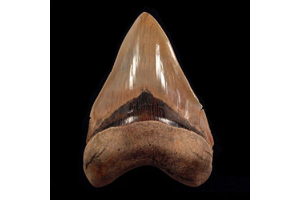
Megalodon teeth are anything but ordinary. Real ones can measure over 7 inches in length and have a triangular
- - December 07, 2025
Millions of years ago, the oceans were ruled by a creature so immense and fearsome that its very name sparks awe—Megalodon. This extinct apex predator measured over 50 feet in length, and its teeth, some exceeding 7 inches, were weapons of evolutionary brilliance. Today, these fossilized remnants of marine dominance are more than rare artifacts—they’re treasures of natural history.
If you're someone who finds fascination in Earth's ancient past, the idea of owning a real Megalodon tooth has likely crossed your mind. Yes, you can indeed buy megalodon tooth specimens, and they're often more accessible than one might assume.
Before you dive into the details, let’s explore what makes these fossils so special—and what to look for when considering such a unique purchase.
What Makes a Megalodon Tooth So Special?
Unlike bones, shark teeth fossilize easily due to their dense, mineralized composition. A Megalodon, during its lifetime, would shed thousands of teeth. Some of these made their way
- - December 07, 2025
The tall clay cliffs overlooking the Chesapeake Bay aren’t merely beautiful—they’re a secret vault of ancient treasures. Among the layers of sediment and shells lies something much more captivating: fossilized teeth from one of the largest sharks to ever roam Earth’s oceans. For beachcombers, paleontology enthusiasts, and curious souls alike, these rugged cliffs offer something special.
Between the waves and weather-worn ledges, there’s an unspoken promise: if you search long enough, you might uncover a tooth that once belonged to an apex predator now long gone. One such prize is the awe-inspiring Otodus megalodon Calvert Cliffs fossil. This tooth carries stories from a time when giants ruled the sea.
Let’s trace the roots of this ancient relic and understand what makes these coastal cliffs a magnet for fossil lovers.
A Brief Look at the Otodus megalodon
Before jumping into the geography, let’s meet the tooth’s original owner. The Otodus megalodon was a prehistoric shark that cruised warm,
- - December 07, 2025
Megalodon tooth fossils continue to fascinate collectors, marine enthusiasts, and paleontology fans. Known for their size, triangular form, and prehistoric value, they remain highly desirable. But with increased demand comes a rise in replicas, restorations, and altered specimens. We’ve observed how challenging it can be for buyers to distinguish genuine fossils from imitations, especially when purchasing online or at fossil markets. If you're uncertain about how to verify authenticity, learning the key identifiers is essential. This guide will help you confidently assess a megalodon tooth fossil and make informed decisions when building or expanding your collection.
Why It’s Important to Spot the Real Thing
Identifying a genuine megalodon tooth fossil goes beyond simply avoiding a fake. It’s about understanding the history, science, and craftsmanship involved in preserving a piece of natural history. Authentic teeth not only hold financial value but also offer clues about the prehistoric