Page 3 - Megalodon
- - December 07, 2025
The tall clay cliffs overlooking the Chesapeake Bay aren’t merely beautiful—they’re a secret vault of ancient treasures. Among the layers of sediment and shells lies something much more captivating: fossilized teeth from one of the largest sharks to ever roam Earth’s oceans. For beachcombers, paleontology enthusiasts, and curious souls alike, these rugged cliffs offer something special.
Between the waves and weather-worn ledges, there’s an unspoken promise: if you search long enough, you might uncover a tooth that once belonged to an apex predator now long gone. One such prize is the awe-inspiring Otodus megalodon Calvert Cliffs fossil. This tooth carries stories from a time when giants ruled the sea.
Let’s trace the roots of this ancient relic and understand what makes these coastal cliffs a magnet for fossil lovers.
A Brief Look at the Otodus megalodon
Before jumping into the geography, let’s meet the tooth’s original owner. The Otodus megalodon was a prehistoric shark that cruised warm,
- - December 07, 2025
Have you ever imagined holding a real piece of ancient history in your hands? A fossil that tells the story of a time when giant sharks ruled the ocean? The Carcharocles megalodon fossil is one of those rare pieces that brings that story to life. This special tooth connects us to a time when the ocean was full of mystery and power. Every detail in this fossil shows how nature creates beauty that lasts for millions of years.
Collectors and fossil lovers often look for something that stands out, something that tells a story. This fossil does exactly that. It comes from a Caribbean limestone quarry and is one of the rarest finds in the world. Its creamy color, sharp edges, and perfect enamel make it a true treasure. Let’s explore what makes this fossil so special and why it deserves a place in any serious collection.
A Look at a Rare Treasure
This fossil is not just another tooth. It is a piece of natural art. The Carcharocles megalodon fossil measures about 5-¾ inches and shows an amazing
- - December 07, 2025
There’s something truly magical about holding a piece of Earth’s ancient history in your hand — a glimpse into a time when colossal predators ruled the seas. Among these incredible relics, Sharktooth Hill Megalodon tooth fossils stand out as extraordinary tools for teaching children about evolution, adaptation, and the dynamic story of life on Earth. At Buried Treasure Fossils, we’re passionate about how these fossils not only capture young imaginations but also offer hands-on lessons in science, geology, and environmental change.
Discovering the Fascinating World of Sharktooth Hill
Nestled north of Bakersfield, California, Sharktooth Hill is one of the richest Miocene-age fossil sites in the world. Around 12 to 15 million years ago, this region was submerged under a vast, warm ocean teeming with marine life — from ancient whales and sea lions to the most feared predator of all, the Megalodon. Today, the Sharktooth Hill Megalodon tooth remains one of the most remarkable remnants from
- - December 07, 2025
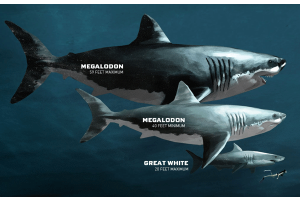
Millions of years ago, the oceans were ruled by a creature so immense and fearsome that its very name sparks awe—Megalodon. This extinct apex predator measured over 50 feet in length, and its teeth, some exceeding 7 inches, were weapons of evolutionary brilliance. Today, these fossilized remnants of marine dominance are more than rare artifacts—they’re treasures of natural history.
If you're someone who finds fascination in Earth's ancient past, the idea of owning a real Megalodon tooth has likely crossed your mind. Yes, you can indeed buy megalodon tooth specimens, and they're often more accessible than one might assume.
Before you dive into the details, let’s explore what makes these fossils so special—and what to look for when considering such a unique purchase.
What Makes a Megalodon Tooth So Special?
Unlike bones, shark teeth fossilize easily due to their dense, mineralized composition. A Megalodon, during its lifetime, would shed thousands of teeth. Some of these made their way
- - December 07, 2025
Megalodon teeth are popular among fossil collectors, but only a few are classified as alpha. These exceptional specimens stand out for their large size, thick roots, sharp serrations, and overall superior preservation. They reflect traits linked to dominant, mature megalodons. If you're wondering what makes an alpha megalodon tooth different from the rest, this guide breaks down the key features that define these rare and valuable fossils. We’ve examined countless specimens and will walk you through what truly sets the most impressive examples apart.
Defining an Alpha Megalodon Tooth
The term alpha is used among collectors to describe teeth believed to have come from the most dominant individuals in the species. These were the apex predators—mature, large megalodons that likely ruled their territory. Their teeth reflect that dominance through sheer size, mass, and often, exceptional preservation.
While the word alpha isn’t a scientific designation, it has become an accepted part of the
- - December 07, 2025
Collectors and fossil buyers want more than a big tooth. They want to own something real, something that carries the weight of time and truth. Teeth from the Otodus megalodon Copper Red Site stand apart for good reason. These fossils do not just offer impressive size or color. They provide natural evidence of a prehistoric predator. Buyers who understand what separates authentic from altered gain more than a rare specimen. They gain confidence in their investment and pride in their collection. Professionals trust their tools, eyes, and field knowledge to identify the real from the rest.
What Makes the Copper Red Color Stand Out
Color is the first visible clue that draws attention to a fossil tooth. Experts who work with Site 25 fossils pay close attention to color depth and texture. An actual Copper Red Megalodon tooth features a natural red to reddish-brown tone. That comes from iron-rich soil where the Tooth fossilized over time. The tone runs through both the enamel and root, not just
- - December 07, 2025
The ocean has always been a place of mystery, where time seems to stand still and legends often blur with reality. From shimmering coral reefs to the dark trenches of the deep, every current hides a story waiting to be told. Among these stories lies one of the most extraordinary creatures ever to have existed—the Carcharocles megalodon, a name that continues to stir curiosity and wonder among scientists and explorers alike.
The mere idea of this prehistoric predator lurking in unexplored waters sparks imagination. What if, in the remote corners of our planet’s vast ocean, traces of the ancient giant still remain?
Tracing the Shadows of a Giant
New Caledonia, surrounded by the South Pacific’s brilliant blues and hidden depths, offers a unique geological setting for fossil discoveries. Beneath its calm lagoons and sharp coral ridges lie sedimentary layers that have preserved fragments of Earth’s ancient marine history. Fossilized teeth found in similar regions give us an idea of the megalodon’s
- - December 07, 2025
Collecting megalodon teeth is more than a hobby; it’s a window into Earth’s prehistoric oceans. Each fossil tells the story of an apex predator that ruled the seas millions of years ago. As enthusiasts, we understand the thrill of holding a piece of natural history in your hand. Whether you’re searching for your first specimen or expanding your collection, knowing how to assess authenticity, condition, and value is key. That’s why we’ve created this guide to help collectors make confident, informed decisions when exploring a megalodon tooth for sale.
Understanding Megalodon Teeth: Nature’s Ocean Relics
Megalodon teeth are among the most sought-after fossils on the planet. These colossal sharks, which lived approximately 23 to 3.6 million years ago, could reach over 60 feet in length. Their teeth often measure between 3 to 7 inches, though rare specimens can exceed this size.
Because of their massive size, triangular shape, and serrated edges, megalodon teeth are instantly recognizable.
- - December 07, 2025
In the coastal regions of North Carolina, certain Megalodon teeth hold an extraordinary distinction. These fossils appear in a vibrant copper-red hue that sets them apart from the typical black or gray shark teeth found in other parts of the world. Each red specimen tells a unique geological story about minerals, sediment, and time.
The coloration seen in these fossils is not artificial but a result of natural processes that unfolded over millions of years. Among the rarest examples, a megalodon tooth from North Carolina captures this striking transformation through its deep red tone and exceptional preservation.
The Unique Discovery of Red Megalodon Teeth
Megalodon teeth are among the most recognized fossils globally, but the copper-red specimens from North Carolina are scarce. They have been discovered in fossil layers such as the Miocene Pungo River Formation and the Pliocene Yorktown Formation. The Meherrin River area, in particular, is noted for producing these remarkable fossils,
- - December 07, 2025
If you have ever wanted to own a piece of ancient history, the Otodus megalodon, So. Carolina teeth are an incredible choice. These giant shark teeth are more than just fossils; they show us the power of one of the largest predators to ever swim the oceans. In this blog, we will explore what makes these teeth from South Carolina so special, why collectors love them, and how you can be part of this exciting prehistoric story.
What Is the Otodus Megalodon?
The Otodus megalodon was a giant shark that lived millions of years ago. It could grow over 60 feet long, which is longer than a school bus. Its teeth are huge and very sharp, with some teeth measuring over seven inches. These teeth are the most common remains we have of this massive shark because its cartilage skeleton did not fossilize well.
Many of these teeth come from the coastal areas of South Carolina. They are dark gray or black, showing how they fossilized in the region’s soil over thousands of years. These teeth are highly