Page 7 - Gary Greaser
- - December 07, 2025
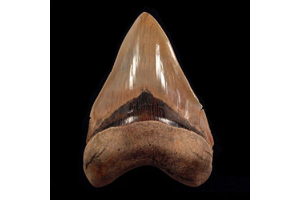
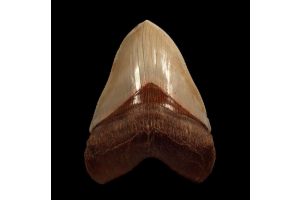
Buyers often search for rare fossils that hold both value and authenticity. Among the most sought-after are fossilized teeth labeled as Otodus megalodon in the Copper Red Site. These teeth are not only visually stunning but also extremely limited in availability. Their signature copper tone and site-specific origin set them apart from other fossil finds. However, that appeal brings imitation and mislabeling into the picture. Before making a purchase, collectors must understand how to identify genuine items and avoid costly mistakes. This guide will walk you through everything you need to confirm before investing.
Recognizing the Value of Copper Red Site Fossils
The Copper Red Site refers to a known fossil-bearing location where the sediment composition creates a rich, copper-red color during the fossilization process. Over time, minerals within the soil bind to the enamel of fossilized shark teeth, giving them their distinctive reddish tone. This effect does not appear in all regions and
- - December 07, 2025
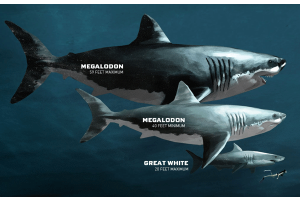
Sharks have ruled the oceans for millions of years—but none are quite as awe-inspiring as the megalodon. This prehistoric predator, estimated to reach lengths of over 60 feet, left behind one of the most fascinating relics you can collect today: its massive, serrated tooth. These remnants are more than fossils—they are windows into an ancient world where giants patrolled the sea.
In the evolving world of fossil collecting, there’s a growing desire for authenticity. A surge of interest surrounds finding a genuine megalodon tooth for sale, especially as collectors and enthusiasts seek more than replicas—they want a tangible piece of Earth's primal history that they can hold in their hands.
Why Megalodon Teeth Are Coveted Collectibles
Unlike fragile fossils locked behind glass in museums, megalodon teeth are durable and striking, often measuring over 6 inches in length. Their preservation in riverbeds and oceanic sediment layers gives them a unique appeal. Some boast glossy enamel, fine serrations,
- - December 07, 2025
Oceans of the past were home to giants, and one of the best ways to understand them is through fossils. A baby megalodon tooth might be small, but it holds big clues about the early life of the largest predator in history. These tiny teeth can reveal how young sharks grew, what they ate, and how they survived in dangerous waters.
By studying a baby megalodon tooth, scientists can piece together the life story of a juvenile megalodon. Each fossil gives insights into ocean ecosystems millions of years ago. Even a small tooth is a window into a world that existed long before humans walked the earth.
Tiny Teeth, Big Clues
Even though a baby megalodon tooth is small, it carries important information. The shape, size, and serrations can tell scientists how young sharks hunted and what kind of prey they preferred.
Juvenile megalodons had to be smart hunters to survive. Studying a baby megalodon tooth helps researchers understand how these sharks avoided larger predators and thrived in a
- - December 07, 2025
Few classroom moments rival the wonder that lights up a student’s face when they hold a piece of history that predates humanity itself. That’s what happens when teachers, homeschoolers, and museum educators introduce their students to authentic fossils—especially real megalodon teeth for sale. These prehistoric marvels are more than captivating artifacts; they’re hands-on gateways into Earth’s deep past, sparking curiosity, critical thinking, and scientific discovery all at once.
At Buried Treasure Fossils, we’ve spent over two decades helping educators and enthusiasts bring the ancient world to life. Our passion for fossils—and the stories they tell—makes learning tangible, unforgettable, and endlessly exciting.
The Power of Learning Through Touch
Children and adults alike learn best when they can touch, hold, and examine real objects. Fossils, especially something as massive as a megalodon tooth, bridge the gap between imagination and reality. When a student runs their fingers across
- - December 07, 2025
At our fossil collection, we take pride in offering specimens that capture the timeless beauty of Earth’s ancient past. Among them, the Otodus megalodon from Indonesia holds a special place. These remarkable fossils have fascinated us with their exceptional preservation, color, and structure.
Each specimen allows us to glimpse into a prehistoric world where colossal predators once ruled the oceans. Their natural artistry and geological perfection make them among the most captivating fossils we offer.
Geological Origin and Preservation
The story of Indonesian Otodus megalodon teeth begins deep within the limestone formations of West Java. These fossils are often recovered from the Bentang Formation, a geological layer that dates to the Middle Miocene epoch, around 10 to 15 million years ago. Within this limestone, the teeth have remained protected for millions of years, allowing them to retain their detailed structure and natural sheen.
Because these fossils were buried under stable
- - December 07, 2025
It’s hard to imagine a creature so massive that it could bite a whale in half—but millions of years ago, the Megalodon shark ruled Earth’s oceans with unmatched power. Today, holding a 7 inch Megalodon tooth for sale feels like holding a tangible link to that prehistoric world, transforming what was once a weapon of the deep into a priceless tool for education and discovery. These incredible fossils, now available to collectors and educators alike, spark curiosity about marine ecosystems, evolution, and the story of life on Earth.
The Ocean Giant That Once Ruled the Seas
Before it became an iconic fossil, the Megalodon was the apex predator of the Miocene and Pliocene epochs—roughly 23 to 3.6 million years ago. Reaching lengths up to 60 feet, this colossal shark could weigh over 70 tons. Its name, Megalodon, literally means “big tooth,” and for good reason: some teeth exceed seven inches in length.
Each tooth reveals how this shark lived and hunted. With serrated edges and a triangular
- - December 07, 2025
There’s something magical about holding a fossil that connects you directly to Earth’s deep past—a tangible reminder that our planet’s history is vast, mysterious, and full of awe. The Otodus megalodon from Lee Creek is one of those rare treasures that does more than fascinate collectors; it ignites curiosity in learners of all ages. At Buried Treasure Fossils, we see every fossil not just as a specimen, but as a story waiting to be told—a lesson in evolution, science, and imagination that educators can bring alive in classrooms and homeschooling environments.
A Giant from the Deep
Millions of years ago, long before humans walked the Earth, the Otodus megalodon ruled the prehistoric oceans. Reaching lengths of up to 60 feet, this colossal shark had jaws powerful enough to crush whales and other massive marine mammals. Its serrated teeth—some exceeding seven inches—are among the most iconic fossils ever discovered. When students learn about this ocean predator, they’re often amazed that
- - December 07, 2025
Collectors never stop asking one key question. Which fossils hold real value today? That question drives curiosity and decision-making for both seasoned collectors and newcomers. The answer always leads to the same place. Some fossils capture history, others hold a story, and a few manage to keep both value and fascination. Among them, Otodus megalodon fossils from Bone Valley stand in a class of their own. These fossils combine authenticity, traceable history, and geological beauty that connect directly to collectors who seek pieces that endure beyond simple display.
Why Bone Valley Draws Collectors’ Eyes?
Bone Valley sits on rich phosphate deposits that preserve marine life from the Miocene era. Over time, these deposits locked away prehistoric remains under layers of minerals that enhanced both color and structure. The result is a fossil bed that yields specimens unlike any other. Collectors recognize Bone Valley fossils because of their mineral depth and rich tonal variation. Each tooth
- - December 07, 2025
Collectors spend years searching for the right piece. When you finally come across a 7-inch megalodon tooth for sale, it feels like a once‑in‑a‑lifetime moment. These teeth represent a creature that ruled prehistoric oceans, and every inch tells a story of power and survival. Yet, the larger the tooth, the higher the risk of replicas, touch-ups, and over-polishing. That makes authenticity a serious concern. This checklist helps you distinguish genuine fossils from altered ones, providing insight into selecting a genuine specimen that earns its place in your collection.
Understand What Makes Size Matter
Size defines rarity. Very few Megalodon teeth reach seven inches. Most authentic examples fall between six and six and a half inches. When you find a tooth claiming to hit or exceed that mark, verify how the seller measured it. Measure from the tip to the longest corner of the root. That diagonal line gives the actual size. Avoid sellers who round up or estimate. Accurate measurement reflects
- - December 07, 2025
Deep beneath ancient ocean floors lie the fossilized remains of one of history’s most awe-inspiring predators—the Megalodon. While most people recognize this prehistoric shark by its colossal teeth, few realize how scientists determine which specimen is the youngest megalodon tooth found and what stories these ancient fossils tell us about life millions of years ago. Beyond their scientific importance, these fossils also captivate collectors worldwide, many curious about the megalodon tooth price and what makes each piece unique.
Understanding the Megalodon’s Magnificent Legacy
The Megalodon, whose name translates to “big tooth,” ruled Earth’s oceans roughly 23 to 3.6 million years ago during the Miocene and Pliocene epochs. Growing up to 60 feet long, this shark was not only massive in size but also unmatched in strength, with jaws powerful enough to crush whale bones. Fossilized teeth—some reaching more than seven inches long—are the primary remains through which scientists study