Page 33 - Gary Greaser
- - December 07, 2025
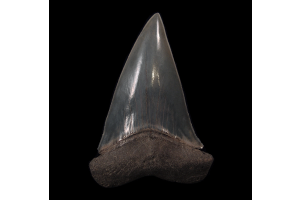
In the coastal regions of North Carolina, certain Megalodon teeth hold an extraordinary distinction. These fossils appear in a vibrant copper-red hue that sets them apart from the typical black or gray shark teeth found in other parts of the world. Each red specimen tells a unique geological story about minerals, sediment, and time.
The coloration seen in these fossils is not artificial but a result of natural processes that unfolded over millions of years. Among the rarest examples, a megalodon tooth from North Carolina captures this striking transformation through its deep red tone and exceptional preservation.
The Unique Discovery of Red Megalodon Teeth
Megalodon teeth are among the most recognized fossils globally, but the copper-red specimens from North Carolina are scarce. They have been discovered in fossil layers such as the Miocene Pungo River Formation and the Pliocene Yorktown Formation. The Meherrin River area, in particular, is noted for producing these remarkable fossils,
- - December 07, 2025
Deep beneath ancient ocean floors lie the fossilized remains of one of history’s most awe-inspiring predators—the Megalodon. While most people recognize this prehistoric shark by its colossal teeth, few realize how scientists determine which specimen is the youngest megalodon tooth found and what stories these ancient fossils tell us about life millions of years ago. Beyond their scientific importance, these fossils also captivate collectors worldwide, many curious about the megalodon tooth price and what makes each piece unique.
Understanding the Megalodon’s Magnificent Legacy
The Megalodon, whose name translates to “big tooth,” ruled Earth’s oceans roughly 23 to 3.6 million years ago during the Miocene and Pliocene epochs. Growing up to 60 feet long, this shark was not only massive in size but also unmatched in strength, with jaws powerful enough to crush whale bones. Fossilized teeth—some reaching more than seven inches long—are the primary remains through which scientists study
- - December 07, 2025
Megalodon tooth fossils continue to fascinate collectors, marine enthusiasts, and paleontology fans. Known for their size, triangular form, and prehistoric value, they remain highly desirable. But with increased demand comes a rise in replicas, restorations, and altered specimens. We’ve observed how challenging it can be for buyers to distinguish genuine fossils from imitations, especially when purchasing online or at fossil markets. If you're uncertain about how to verify authenticity, learning the key identifiers is essential. This guide will help you confidently assess a megalodon tooth fossil and make informed decisions when building or expanding your collection.
Why It’s Important to Spot the Real Thing
Identifying a genuine megalodon tooth fossil goes beyond simply avoiding a fake. It’s about understanding the history, science, and craftsmanship involved in preserving a piece of natural history. Authentic teeth not only hold financial value but also offer clues about the prehistoric
- - December 07, 2025
If you're knee-deep in the deep-sea chaos of ARK: Survival Evolved, you're no stranger to rare resources, unpredictable creatures, and the thrill of taming prehistoric legends. But what about something a little… toothier?
Somewhere in the dark waters of the ARK map lurks an apex predator that’s more myth than reality for most players. The Megalodon is more than a marine nightmare—it’s a gateway to one of the more obscure trophies in the game. If you’ve ever scrolled past a mysterious “megalodon tooth ark” item in your inventory or crafting menus, you're not alone in your curiosity. So, what exactly is it, and why does it matter?
Let’s sink our teeth into it.
What Is the Megalodon Tooth Used For?
The Megalodon Tooth is more than a souvenir from your latest aquatic brawl. It’s a trophy item used as a tribute in certain boss fights. In particular, it’s a requirement for summoning the Broodmother Lysrix at the Obelisk, one of ARK’s earliest and most iconic boss encounters.
Each difficulty
- - December 07, 2025
Nature doesn’t always shout its secrets. Sometimes, it whispers them through ancient sediment, buried far below the surface where time has quietly passed. One such whisper rises from a dry stretch of land in central California—a site with layers of history pressed into the soil. Long ago, before mountains rose and deserts formed, this place was submerged beneath a shallow sea teeming with extraordinary marine life.
Somewhere deep within that sea's fossilized remains, collectors might discover something rare and thrilling—the Sharktooth Hill megalodon tooth. This treasure feels both ancient and alive in its presence.
A Land That Was Once an Ocean
Sharktooth Hill, nestled near Bakersfield, is far from the ocean today. But nearly 15 million years ago, it sat at the bottom of the Temblor Sea. This prehistoric body of water spanned what is now California’s Central Valley, and its depths were teeming with sharks, whales, sea lions, rays, and an astonishing array of marine life.
What makes Sharktooth
- - December 07, 2025
Collectors often wonder why one Megalodon tooth sells for $200 while another demands $2,000. At first glance, they may look similar in photos. But look closer and you will see why the megalodon tooth price can change so dramatically. The truth sits in what each piece reveals about time, preservation, and nature’s patience. Every Meg tooth tells a personal story that affects its value. People who understand that story can make smarter buying choices and appreciate what they hold in their hands far more deeply.
Size and Shape Decide the Real Megalodon Tooth Price
Most people look at size first. A bigger tooth usually catches more attention, but size alone does not define worth. Collectors study proportion and structure before judging price. A six-inch tooth might seem impressive, yet if it appears narrow or uneven, it can cost less than a smaller one with perfect symmetry. Buyers prefer fossils that show balance and full-bodied shape. A well-proportioned five-inch tooth with a clean root
- - December 07, 2025
Beneath the sunny fields of central Florida lies a hidden world of prehistoric secrets. Long before tourists filled its beaches, Florida’s landscape was home to colossal marine giants that dominated its ancient seas. Among them, none were more legendary than the mighty Otodus megalodon in Bone Valley—a prehistoric shark whose teeth still capture the imagination of scientists, collectors, and adventurers today. These fossilized remnants tell stories of evolution, extinction, and rediscovery—stories we proudly help preserve and share through our collection at Buried Treasure Fossils.
The Giant of the Ancient Seas
Millions of years ago, long before humans set foot on Earth, the Otodus megalodon ruled the ocean. This enormous shark could reach lengths of up to 60 feet—roughly the size of a school bus. Its jaws were armed with enormous triangular teeth, each fully serrated and capable of slicing through the thick blubber of ancient whales. With a bite force estimated at nearly 180,000 newtons,
- - December 07, 2025
The first time a child holds a real fossil, something magical happens—a spark of wonder ignites. That spark can lead to a lifelong passion for discovery, science, and the mysteries of our planet’s history. When parents or educators choose to buy megalodon tooth specimens or other authentic fossils, they’re not just collecting ancient artifacts; they’re nurturing curiosity that could grow into tomorrow’s scientific breakthroughs. And if you’ve ever wondered, can you buy a megalodon tooth?—the answer is yes, and doing so can make an extraordinary educational impact.
The Power of Tangible Discovery
In a world increasingly governed by the glow of digital screens and the confines of virtual classrooms, there exists an unparalleled enchantment in the tactile experience of grasping a genuine piece of Earth's ancient history. A fossil transcends mere relic; it embodies a profound connection that links the distant past to our contemporary lives, serving as a remarkable bridge to the vibrant natural
- - December 07, 2025
Millions of years ago, the oceans were ruled by a creature so immense and fearsome that its very name sparks awe—Megalodon. This extinct apex predator measured over 50 feet in length, and its teeth, some exceeding 7 inches, were weapons of evolutionary brilliance. Today, these fossilized remnants of marine dominance are more than rare artifacts—they’re treasures of natural history.
If you're someone who finds fascination in Earth's ancient past, the idea of owning a real Megalodon tooth has likely crossed your mind. Yes, you can indeed buy megalodon tooth specimens, and they're often more accessible than one might assume.
Before you dive into the details, let’s explore what makes these fossils so special—and what to look for when considering such a unique purchase.
What Makes a Megalodon Tooth So Special?
Unlike bones, shark teeth fossilize easily due to their dense, mineralized composition. A Megalodon, during its lifetime, would shed thousands of teeth. Some of these made their way
- - December 07, 2025
Fossil discoveries can spark excitement, but few finds excite scientists and collectors like a Megalodon tooth. Recently, Chile became the center of attention with a discovery that could be the world’s biggest Megalodon tooth ever found. This find is not only remarkable for its size but also for what it reveals about one of the oceans’ most powerful prehistoric predators.world’s biggest Megalodon tooth
The Discovery That Shook Paleontology
In Chile’s coastal regions, a team of geologists and paleontologists uncovered a massive fossil. Measuring enormous dimensions, this tooth might be the world’s biggest Megalodon tooth discovered to date. Experts say its size points to the incredible power and scale of the Megalodon.
This find is a bridge to the past, showing us how enormous these predators were. Chile’s unique geological history, with its tectonic shifts and coastal erosion, makes it a hotspot for fossil hunters. Every layer of sediment tells a story, and this discovery adds a dramatic